







The Age of the S-Bend
The defining look of the early 20th century was the "S-bend" or "S-curve" silhouette. Achieved through a feat of engineering known as the straight-front corset, this undergarment was paradoxically marketed as a "health" corset. It forced the chest forward
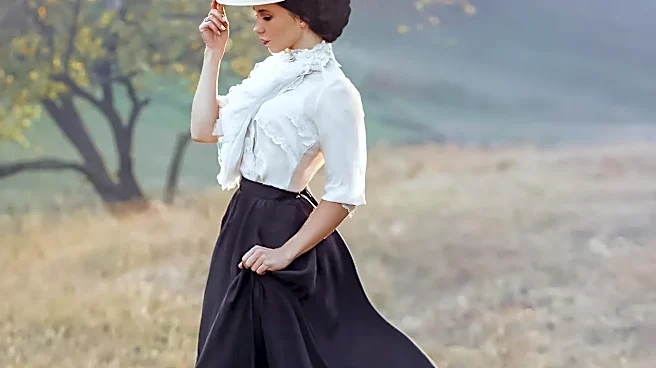
into a monobosom, often called a "pouter pigeon" look, while thrusting the hips back. This created a statuesque, if unnatural, curve that was the absolute peak of high fashion from about 1900 to 1908. Day dresses, though modest with high necklines and long sleeves, were anything but simple. They featured blousy bodices that accentuated the forward-leaning torso, long skirts that often brushed the floor, and were drenched in lace, ruffles, and elaborate embroidery. This look wasn't just about aesthetics; it was a symbol of leisure and status, suggesting a woman who didn't need to engage in physical labor.
A Radical Counter-Proposal
While mainstream fashion was cinching women into S-shapes, a quieter but persistent revolution was underway. The Dress Reform movement, which began in the 19th century, was gaining new energy. Groups like the Rational Dress Society argued that fashion should prioritize health, comfort, and utility. They campaigned against heavy, trailing skirts that collected street filth and, most of all, against the physiologically damaging corset. In its place, they championed alternatives like the "emancipation waist," a less restrictive vest-like bodice that supported skirts without crushing internal organs. This was part of a broader push by first-wave feminists and health advocates for more practical clothing.
Art Joins the Rebellion
The rebellion wasn't purely about health; it was also artistic. The Aesthetic Dress movement, championed by artists associated with the Pre-Raphaelite and Arts and Crafts movements, rejected the rigid, artificial structures of mainstream Victorian and Edwardian fashion. They favored simpler lines, natural forms, and flowing fabrics that draped rather than constricted. Their ideal was a look inspired by medieval and classical gowns—think looser, higher-waisted dresses worn without a severe corset. The "tea gown," initially a private garment worn at home, was a popular expression of this style. It was a beautiful, corset-free dress that allowed for freedom of movement and was seen by many as a rational and artistic choice.
Why the Corset Won the Decade
Despite these compelling arguments for health and artistic freedom, the S-bend corset reigned supreme for most of the decade. The primary reason was social inertia. The reformers' styles were often seen as eccentric, radical, and even a threat to established gender roles. To abandon the corset was to make a significant social and political statement that many women were not prepared to make. Furthermore, the entire fashion industry, from Parisian couture houses to magazine illustrators, was built around the S-curve ideal. The Bloomer suit of the mid-19th century had been met with such public ridicule that it made later generations wary of any fashion deemed too revolutionary. While reformers made inroads in specialized areas like athletic wear for bicycling and swimming, their vision for everyday dress remained on the fringe.