






From Club Allegiance to National Identity
For most of the year, a soccer fan's identity is tribal and local. It’s tied to a club that represents a city, a neighborhood, or a specific history. This loyalty is a constant, woven into the weekly routine of life. But when a major international tournament
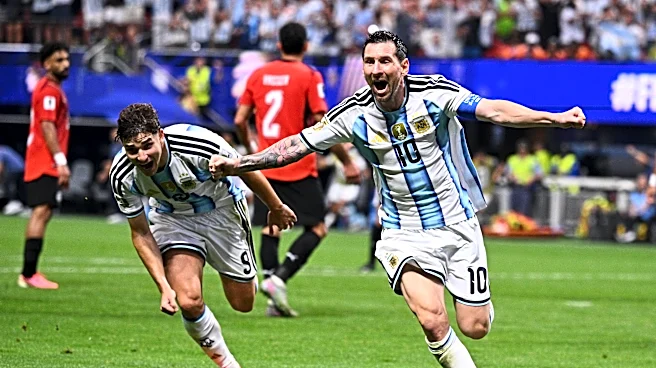
like the World Cup kicks off, a profound psychological switch occurs. The 'I' becomes a 'we' on a national scale. This isn't just about cheering for a different team; it's about adopting a different identity. The players on the screen become powerful symbols of the entire country, carrying the hopes of millions. This shared experience creates a powerful bond, allowing citizens to feel part of something much larger than themselves.
The Psychology of 'Us vs. Them'
The core of this transformation lies in social identity theory. Humans have an innate need to belong to groups, and sports provide a perfect outlet. When your club plays, it's one city against another. When the national team plays, it’s your country against theirs. The stakes feel exponentially higher because the 'in-group' is now an entire nation. Psychologists note that fans derive self-esteem from their team's success, a phenomenon known as “basking in reflected glory.” You’ll notice fans are more likely to say “we won” but “they lost,” subconsciously connecting with victory and distancing from defeat. This collective emotional investment makes every goal and every save feel intensely personal.
A Temporary, United Front
One of the most fascinating social aspects of national team fandom is the temporary truce it calls among domestic rivals. In cities with multiple clubs, fans might be sworn enemies, yet for a few weeks, they unite to cheer for players from their rival teams. This shared mission creates a unique form of social cohesion. Suddenly, the star striker you’ve booed all season is your hero. This temporary unity highlights how flexible and situational our identities can be. While some studies in Europe have found that deep club loyalty can sometimes temper enthusiasm for the national team, the spectacle of a World Cup often overrides these divisions, creating a powerful, albeit brief, sense of solidarity.
More Than Just a Game
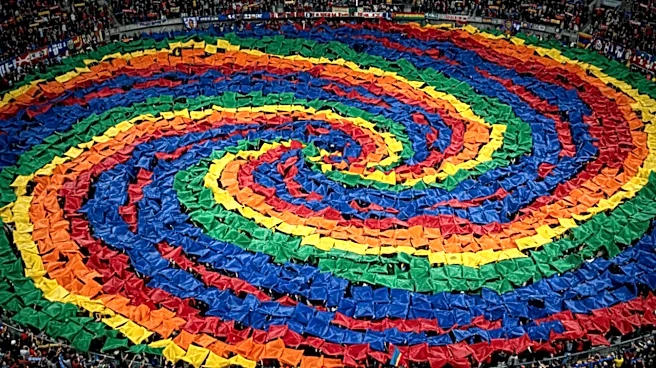
Ultimately, watching the national team is about more than sports; it's a cultural ritual. These games are a stage for national expression, a peaceful outlet for patriotic feeling. The pre-game anthem, the sea of flags in the stands, and the collective celebrations in public squares all reinforce a shared heritage and pride. For diaspora communities, the connection is even more profound, serving as a vibrant link to a homeland and a chance to pass down cultural identity to younger generations. The team's performance can feel like a reflection of the nation's standing in the world, making a victory a moment of collective affirmation and a loss a shared sorrow. It transforms a 90-minute match into a global story about who we are.