



The Allure of Arena-Sized Energy
Every year, the CMA Awards face an impossible task: translating the heart of country music—its stories, its honesty, its grit—to a massive television audience accustomed to pop-level pyrotechnics. It's a broadcast, after all, and broadcasts need energy.
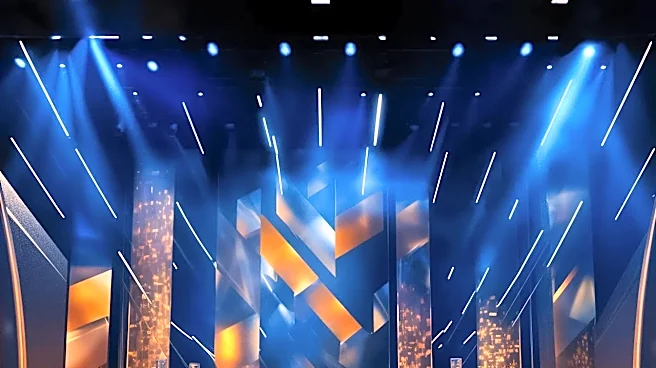
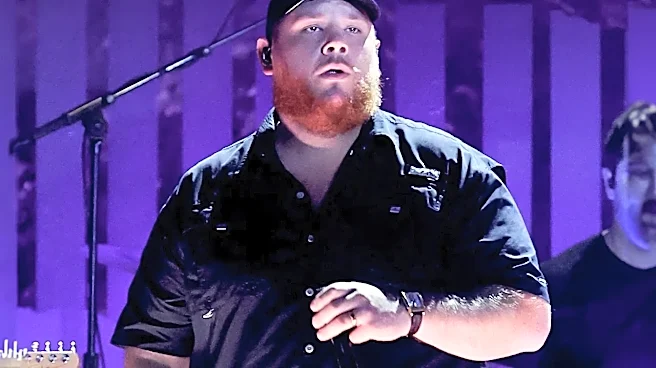
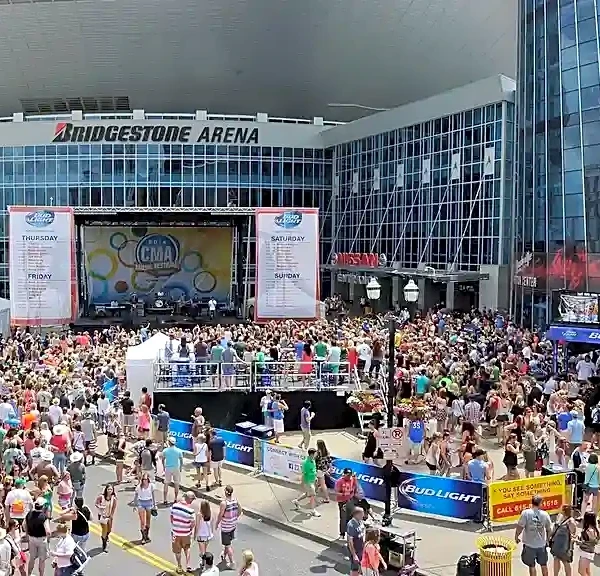
This leads to the spectacle we saw again in 2026: cascading light rigs, walls of LED screens, and performances scaled to fill Nashville's Bridgestone Arena. There’s a reason for it. When an artist like Luke Combs unleashes a stadium anthem, the sheer force is undeniable. The goal is to create moments that feel huge, unmissable, and worthy of 'Country Music's Biggest Night™'. The problem arises when this becomes the default setting. The relentless pursuit of 'big' can flatten the very texture the show aims to celebrate, turning every song, regardless of its emotional core, into a high-octane production number.
In a Loud World, Quiet Is Radical
The most talked-about performance from the 2026 CMAs might not be the loudest. Consider the breakout moment from newcomer Stephen Wilson Jr. Armed with little more than a guitar and a microphone, his raw, unadorned performance cut through the evening's noise. In a world saturated with highly produced content, authenticity has become its own form of spectacle. Audiences, particularly younger ones raised on the unvarnished intimacy of TikTok and YouTube, are fluent in the language of 'real'. A perfectly imperfect acoustic set can feel more momentous than a flawless, fire-breathing extravaganza because it offers a genuine connection. It's a reminder that the core of a country song isn't the light show, but the lyric and the voice. For every artist who thrives on arena energy, there's another whose power lies in their ability to make a 17,000-seat venue feel like a back-porch jam session.
It's Not the Tools, It's How You Use Them
The solution isn't to banish spectacle. It’s about making smarter production choices that serve the song. First, the sound mix needs to be dynamic. Broadcast engineers often compress audio to create a uniform, TV-friendly sound, but this can crush the nuance between a whisper and a roar. Preserving that dynamic range is crucial. Visually, intimacy can be created even on a massive stage. Instead of just going wide, directors can use tight camera angles, warm lighting, and minimalist backdrops to shrink the world around a performer. Imagine a dedicated B-stage, not as a lesser space, but as a privileged spot for acoustic showcases—a 'quiet stage' that the broadcast treats with the same reverence as the main event. These aren't budget cuts; they are artistic choices that prioritize emotional impact over sensory overload.
Let the Artists Lead
Ultimately, the artists themselves are the key. Performers like Chris Stapleton have built careers on the principle that a single voice and a guitar can be as powerful as a full band. When he and Mumford & Sons took the stage, the collaboration worked because it was rooted in shared musicianship, not just a grab for ratings. The CMAs should empower more of this. Give artists the choice to strip it down. Encourage the unexpected, quiet moments. The show's producers and audio coordinators already use top-tier technology like Shure Axient Digital systems to capture every nuance; the next step is to trust that those nuances are what the audience wants to hear. The most memorable moments in CMA history are often the ones that felt the most human, from Alan Jackson's poignant tribute after 9/11 to Dolly Parton's emotional Lifetime Achievement medley.