


The Living Portrait
One of the most powerful techniques is framing subjects as if they are in a living portrait. Instead of the fast-paced, multi-camera coverage of a typical sitcom or drama, cinematographers are opting for more deliberate, painterly compositions. Think
of the Juneteenth episodes of shows like "Atlanta" or "Black-ish." Characters are often held in frame, centered and beautifully lit, in a style that evokes historical portraiture. This isn't just about making a pretty picture; it's a political act of reverence. For centuries, Black subjects were largely absent from the tradition of fine art portraiture. By using these classical compositions, filmmakers bestow a sense of dignity, importance, and historical permanence upon their characters. The camera lingers, turning a fleeting moment of celebration—a shared meal, a quiet conversation—into a tableau. This stillness isn't static; it's weighted, asking the viewer to pause and appreciate the significance of the people on screen.
Light as Memory and Hope
Lighting is doing heavy lifting in these portrayals. There’s a clear move away from the bright, flat, even lighting of traditional television and toward a more naturalistic and expressive style. You’ll notice a frequent use of warm, golden-hour light that wraps around the characters. This isn’t just for aesthetics. This type of light feels nostalgic and dreamlike, connecting the present-day celebration to the historical memory of the past. It suggests a story being passed down through generations. Light often streams through windows or dapples through trees, creating a sense of sacred space, whether it’s a backyard barbecue or a church hall. The contrast between light and shadow is often deeper and more pronounced, which adds visual texture and emotional depth. This careful sculpting with light turns a simple scene into something that feels elevated, imbuing the joy of the present with the warmth of ancestral memory.
Movement with Purpose
This is where cinematographers solve the “static” problem. While compositions may be still, the camera itself often moves with incredible grace and intention. The use of slow motion is a key tool, but it’s deployed with surgical precision. It’s not the stylized, action-movie slow-mo. Instead, it’s used to elongate a moment of pure joy or profound connection—a child running through a sprinkler, the expression on an elder’s face as they listen to a song, a shared laugh between friends. The effect is to suspend time, forcing the viewer to focus on the emotional truth of the instant. Beyond slow motion, you see elegant dolly shots and Steadicam movements that glide through a gathering. This creates an immersive feeling, as if the viewer is a welcome guest drifting through the celebration, able to quietly observe the small, meaningful interactions that make up the whole.
Intimacy in the Frame
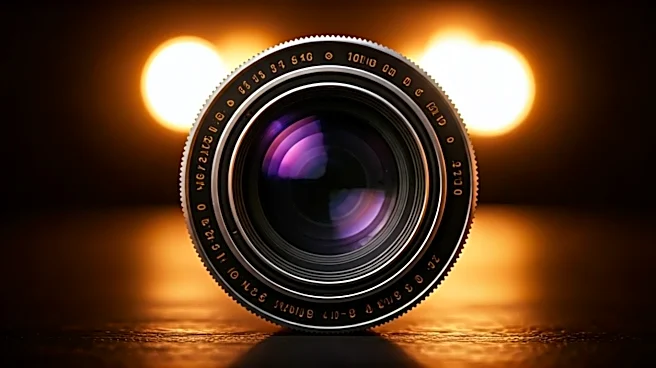
To balance the grand, ceremonial feeling, filmmakers are also creating moments of deep intimacy. A common technique is the use of a shallow depth of field, where the subject is in sharp focus while the background is softly blurred. This visual trick isolates a character from their surroundings, drawing the viewer’s eye directly to their face and their emotional state. It’s a way of saying, “Pay attention to this person. Their story matters.” It cuts through the noise of a large gathering to give us a personal, one-on-one connection. Paired with close-ups that capture the subtle nuances of expression, this technique ensures that the celebration of Juneteenth on screen is not just about a historical event, but about the individual lives, legacies, and emotions of the people celebrating it today. It grounds the sweeping sense of history in personal, relatable human experience.