
From Form-Fitting to Form-Building
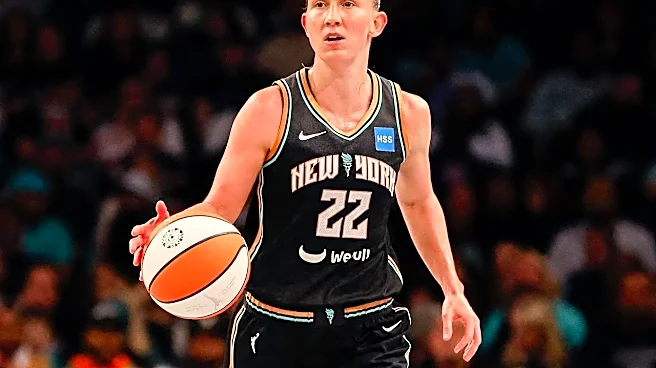
For years, particularly for female athletes, high-fashion moments often revolved around the bodycon dress—a style designed to reveal and celebrate the physique honed by countless hours of training. Think of the quintessential red-carpet look that emphasized
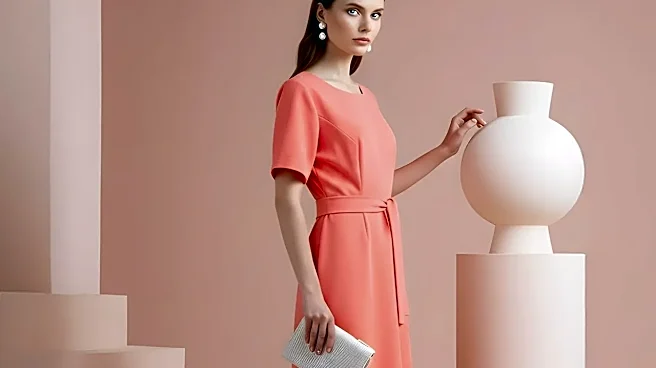
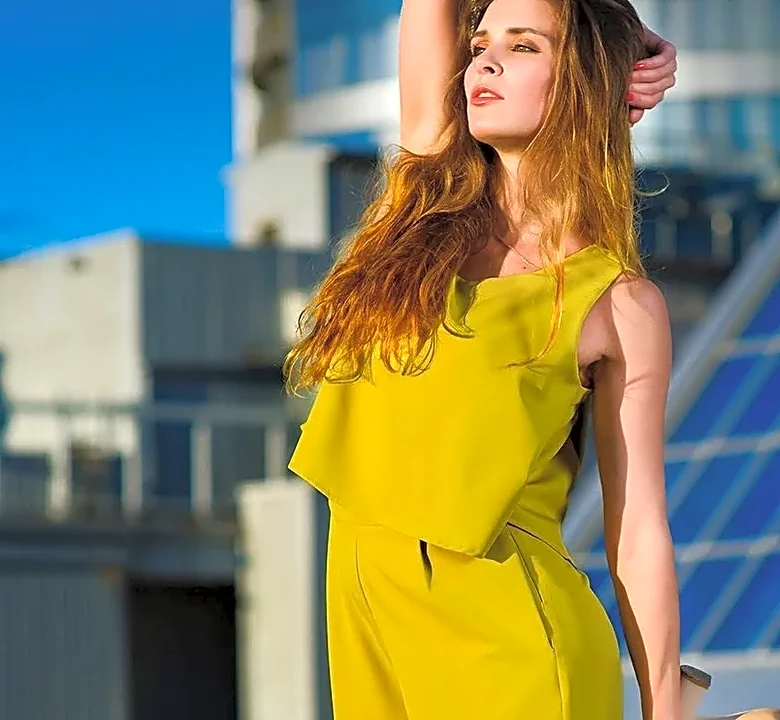
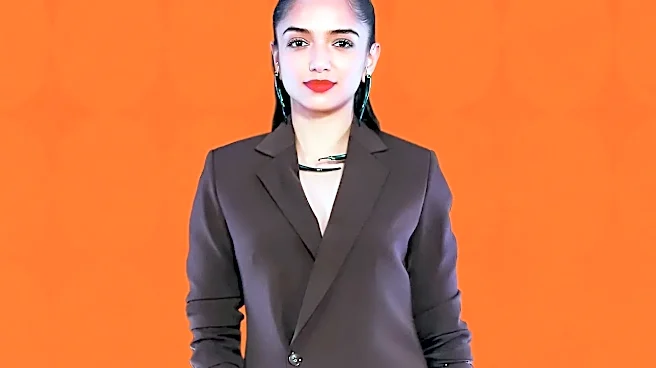
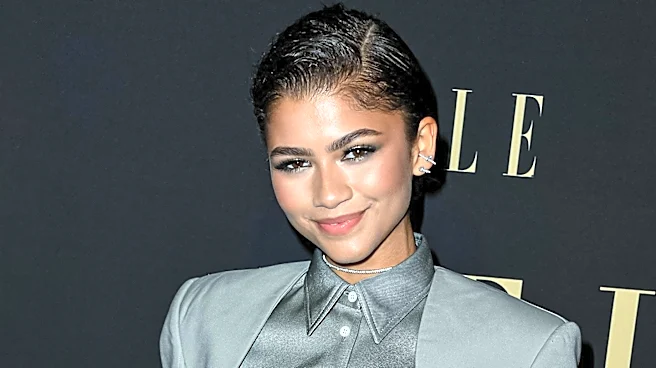
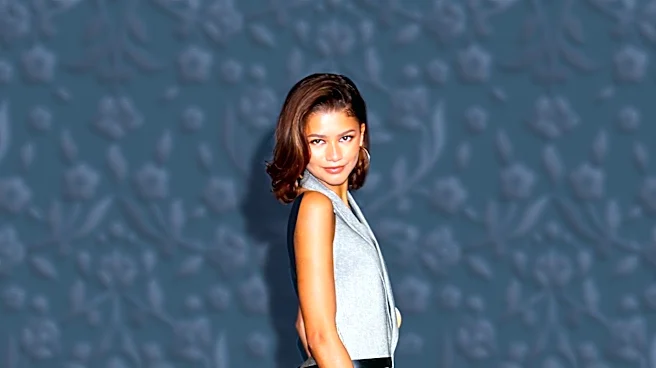
athletic form above all else. Now, the prevailing trend is a dramatic departure. "Architectural separates" refer to pieces with strong, defined shapes: think boxy, oversized blazers, structured crop tops, high-waisted trousers with a wide leg, and monochromatic sets that create a powerful, unified column of color. The look is less about showcasing the body's every curve and more about building a new silhouette entirely—one that projects strength through tailoring and deliberate shape. It borrows from menswear and avant-garde design, prioritizing structure, clean lines, and a certain intellectual coolness over overt sex appeal.
The Athlete as a Personal Brand
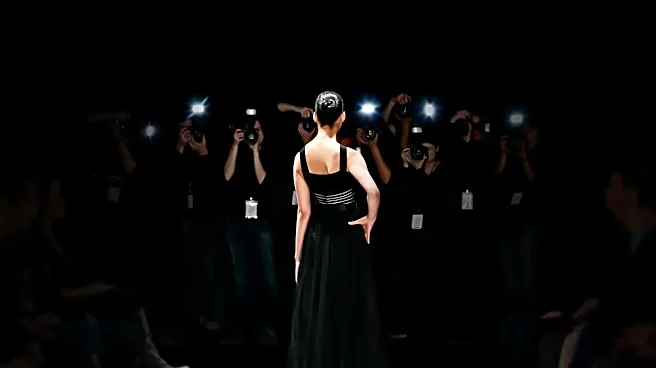
This fashion evolution is intrinsically linked to the modern athlete's role as a CEO of their own brand. Today’s stars are building empires that span venture capital, production companies, and fashion lines. Their clothing is a crucial part of that branding. An architectural look communicates a different kind of power—one of business acumen, creative direction, and cultural influence. It says, “I am not just my body; I am a mogul.” This shift is facilitated by a growing ecosystem of specialized sports stylists who are experts at translating an athlete’s on-field legacy into a compelling off-field narrative. These stylists help athletes use fashion to become tastemakers and influencers, opening doors to luxury brand partnerships and front-row seats at fashion week. This turns the pre-game tunnel walk into a veritable runway, a strategic platform for brand building.
A Push for Agency and Comfort
The move away from restrictive clothing is also a powerful statement of agency. For female athletes especially, who have long faced scrutiny and policing of their bodies and uniforms, choosing to wear an oversized suit over a tight dress can be a form of rebellion. It’s a conscious decision to control their own image, moving the focus from their physique to their presence and personality. Serena Williams, a trailblazer in this arena, has consistently used fashion to make statements about individuality and power, both on and off the court. The trend also dovetails with a broader cultural shift towards comfort that accelerated during the pandemic. Society has embraced a more relaxed dress code, and athleisure's fusion of comfort and style is now a dominant force. For athletes, whose bodies are their instruments, the freedom of movement and confidence afforded by less constricting silhouettes is a natural and welcome evolution.
A New Definition of Power Dressing
Ultimately, the rise of architectural separates redefines what "power dressing" means for an athlete in the 2020s. The old model was often about conforming to a specific, often hyper-feminized or sexualized, ideal. The new model is about constructing an identity. By choosing garments that are bold, structured, and take up space, athletes are making a visual statement about their place in the world. They are not merely participants in their sport; they are cultural architects shaping trends and conversations. This style isn’t about hiding the athletic form but rather complementing it with an equally strong sartorial statement. It signifies a transition from being the object of the public gaze to being the author of one's own narrative, one carefully constructed, wide-legged trouser and sharp-shouldered blazer at a time.