



The Tunnel Becomes the Runway
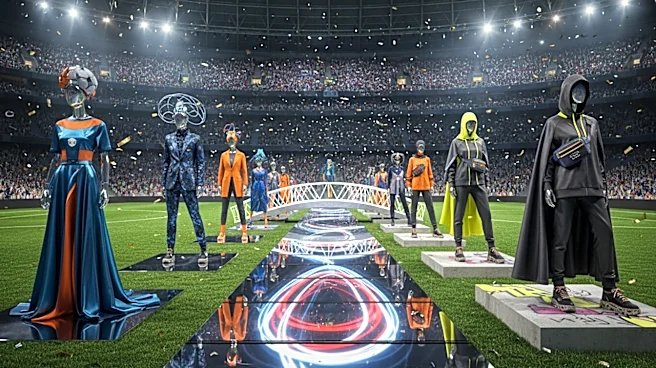
Forget post-game interviews; the new main event is the pre-game arrival. The concrete tunnel leading into the stadium has officially replaced the red carpet as fashion’s most influential runway. Players, once seen only in team-issued tracksuits, are now
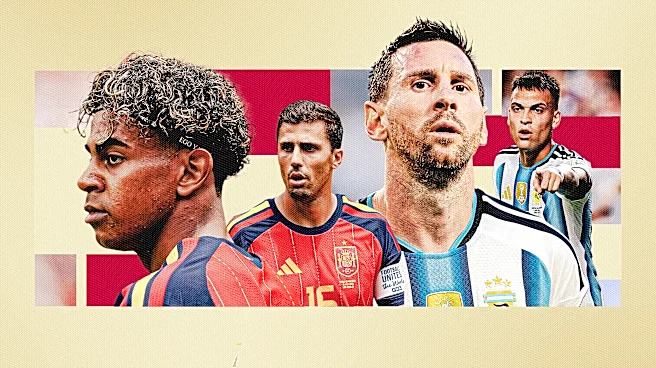
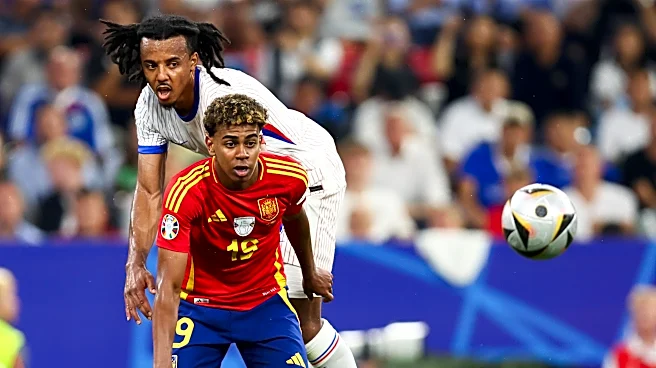
making statements. Take the French squad, where stars like Jules Koundé and Kylian Mbappé have turned arrivals into a masterclass in personal style, mixing avant-garde tailoring with rare sneakers and luxury handbags from houses like Louis Vuitton and Dior. Spain's Lamine Yamal, just a teenager, has been spotted in thoughtfully curated Loewe looks, part of a formal partnership with the Spanish luxury brand. It mirrors the NBA’s long-standing tradition of the tunnel walk as a platform for self-expression, but with a distinctly global, and often more refined, sensibility. Style critics have noted that this isn't just about showing off; it's about players building personal brands and showcasing a new, modern masculinity that embraces fashion as a form of confidence.
Blokecore: From Niche Trend to Global Uniform
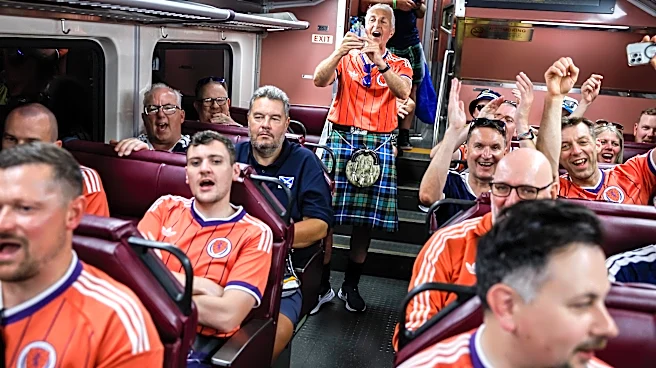
If players are driving the high-fashion conversation, fans are driving the street-level trends. The aesthetic known as "blokecore"—a style inspired by 1990s British football fans pairing retro jerseys with baggy jeans and Adidas Sambas—has exploded into a global phenomenon. But the 2026 version has evolved. In host cities from Miami to Kansas City, the look is everywhere but with new interpretations. For men, it’s a more refined take, pairing vintage-style jerseys with tailored trousers. For women, the trend has taken a hyper-feminine turn, with jerseys juxtaposed against lace skirts, delicate shorts, and ballet flats. It’s a sign that soccer apparel is no longer just for game day. Instead, it’s become a versatile centerpiece of everyday wardrobes, a way to signal cultural fluency and effortless cool. The most in-demand jerseys from teams like Japan, Mexico, and Germany are selling out, proving the trend has serious commercial power.
The Luxury Play
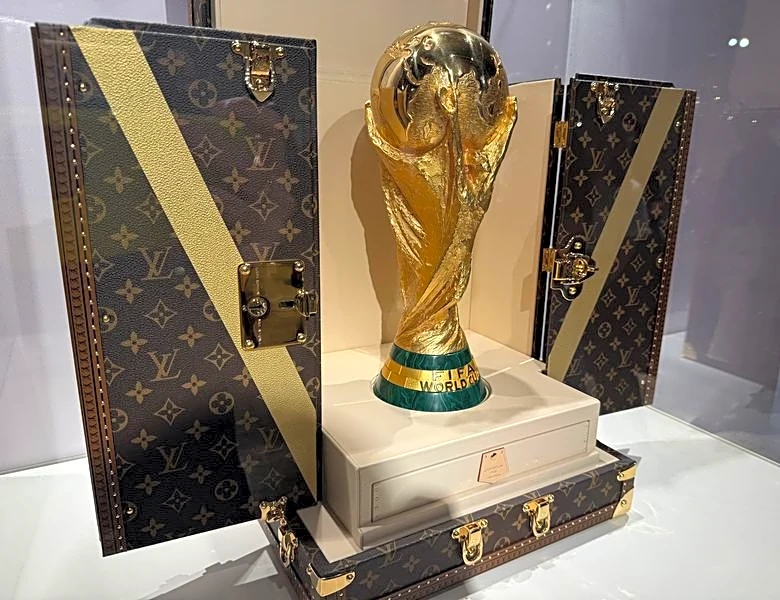
The world’s biggest luxury brands are no longer just observing from the sidelines; they are deeply invested in the action. Loewe has a multi-year deal to outfit the Spanish national team's travel wardrobe. Jacquemus partnered with Nike for Team France's off-pitch looks, and the Virgil Abloh Archive created custom kits for Team USA. These aren't simple sponsorship deals. They are deep, creative collaborations that merge the DNA of a fashion house with the identity of a national team. Even the World Cup trophy itself travels in a bespoke Louis Vuitton trunk. This fusion extends to the stands, where celebrities have been spotted mixing high and low fashion. Victoria Beckham paired chic satin tops with white trousers, while Teyana Taylor styled a denim outfit with surrealist Schiaparelli sneakers. It proves that the cultural currency of soccer is at an all-time high, making the tournament an unmissable platform for luxury brands to connect with a massive global audience.
Why It Matters in America, Right Now
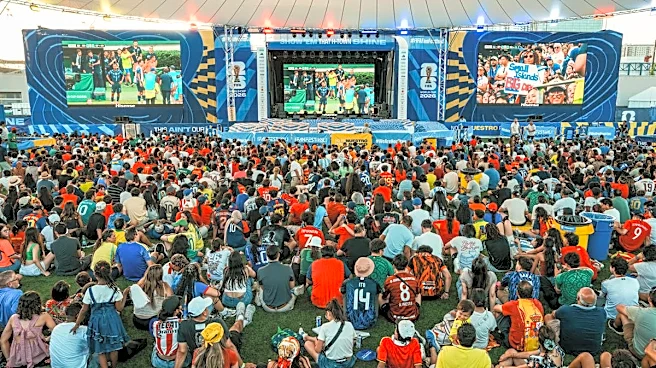
For decades, American sports fashion was dominated by basketball, baseball, and football. Soccer was a distant fourth. The 2026 World Cup, co-hosted by the U.S., has changed everything. With games in major American cities, the tournament has provided an entry point for a new generation of U.S. fans to engage with the sport's rich global culture. Celebrities from Sabrina Carpenter to Travis Scott have been fixtures at matches, their outfits dissected by fashion media and fans online. This visibility is helping to cement soccer’s place in the American style landscape. The aesthetic is accessible, combining nostalgia with contemporary trends in a way that feels fresh. It’s a visual language that’s easy to understand and adopt, whether you’re a lifelong fan or a newcomer drawn in by the spectacle. This summer, the soccer jersey is becoming as American as a baseball cap.