




The Unwritten Dress Code
Think about the modern awards show red carpet. For decades, it’s been a high-stakes runway governed by unwritten rules, especially for female artists. The expectation involves couture gowns, borrowed diamonds, impossibly high heels, and a pose that’s been practiced in front of a mirror a thousand times. It’s a theater of aspirational, often unattainable, glamour. The American Music Awards, with its pop-centric focus, has always been a key stage for this display. It’s a place where artists transition from musicians to brands, and their look is a critical part of the pitch: sleek, sexy, and above all, polished. This perfectly curated environment is designed to feel expensive and exclusive, a fantasy world beamed into millions of living rooms.
But its very perfection can also make it feel sterile and distant.
Dressed in Defiance
Billie Eilish’s approach to the red carpet wasn't just different; it was a quiet rebellion. When she arrived at the 2019 AMAs, at the peak of her initial breakthrough, she wasn’t wearing a revealing gown or a tailored suit. She was draped in an oversized Burberry plaid ensemble, complete with a matching crystal-mesh beekeeper-style hat that obscured her face. It was less a fashion statement and more a piece of aesthetic armor. By refusing to conform to the industry’s narrow standards of red carpet femininity, Eilish did two things at once. First, she took control of her own image, making it clear that her body was not up for public consumption or commentary. Second, her choice of voluminous, gender-fluid streetwear brought a dose of youth culture reality to an event that often feels stuck in a timeless, ageless bubble of Hollywood gloss. It felt like someone had opened a window and let the real world in.
A Performance That Mattered
The disruption didn’t stop at the red carpet. Eilish’s debut performance at the 2019 AMAs was for her song “all the good girls go to hell.” While other artists delivered slickly choreographed dance routines, Eilish offered a piece of raw, fiery theater. Dressed in a black-and-red outfit emblazoned with the phrase “NO MUSIC ON A DEAD PLANET,” she performed on a set engulfed in pyrotechnic flames. The performance was dark, urgent, and a little bit dangerous—a far cry from the safe, celebratory pop numbers that typically dominate the AMAs stage. The climate change message on her shirt wasn't a subtle nod; it was a direct confrontation. She wasn’t just there to entertain; she was there to say something. It reminded the audience that pop music could be more than just catchy hooks; it could have a conscience and a point of view, even in the heart of the mainstream machine.
The Sound of Authenticity
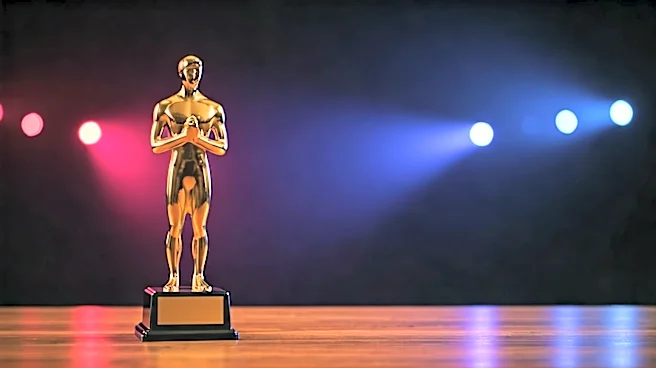
Perhaps the most “real” moments came when the music stopped. When Eilish won her awards, including New Artist of the Year, she didn't deliver a perfectly crafted, tearful speech. Instead, she seemed genuinely overwhelmed, breathless, and almost endearingly awkward. She stammered, she looked around in disbelief, and she spoke with the unfiltered sincerity of someone who couldn’t quite believe they were there. In an industry of media-trained professionals, her unpolished gratitude was a lightning bolt of relatability. It was a reminder that behind the global superstardom was a teenager experiencing it all for the first time. That vulnerability—a stark contrast to the confident swagger of many performers—made her triumphs feel like a victory for every fan who ever felt like an outsider. She wasn't performing success; she was living it, messily and honestly, in front of millions.