
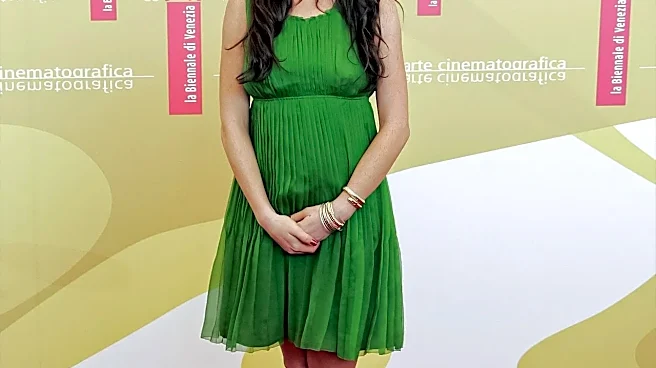
It Starts With a Versatile Foundation
The magic of a day-to-night transformation rarely begins with two entirely separate outfits. Instead, stylists build a look around a versatile and high-quality base piece. This could be a classic little black dress, a tailored jumpsuit, or a set of elegant
separates in a neutral color. The key is choosing luxurious fabrics like silk or structured crepe that look just as appropriate under the harsh lights of a photo call as they do under the evening glow of the red carpet. This foundational garment is the canvas. For a daytime press junket, it might be styled conservatively. But for the premiere, that same piece becomes the anchor for a more dramatic statement, proving that the secret isn't always a full change, but a clever evolution.
The Strategic Accessory Swap
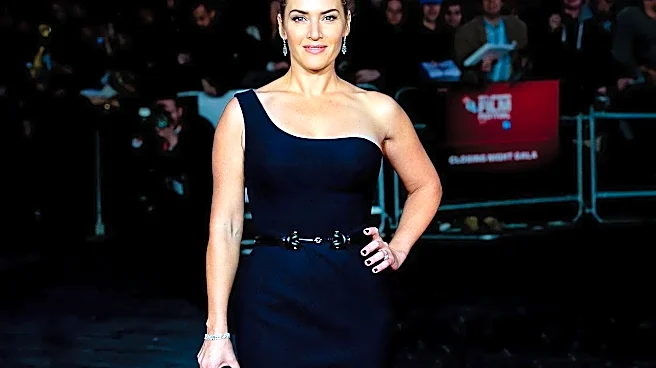
Accessories are the heavy lifters in the transition from day to night. Stylists pack a carefully curated arsenal of options designed to elevate a look instantly. A daytime tote bag is swapped for a jewel-encrusted clutch. Comfortable flats or low pumps are exchanged for sky-high stilettos. Simple stud earrings are replaced with dramatic drop diamonds. A well-placed belt can completely alter a silhouette, cinching a waist to add sophistication for the evening. These small changes have a massive cumulative effect, allowing a star’s personality to shift from professional and serious during press rounds to glamorous and celebratory for the premiere. Some hotels in Toronto's Yorkville neighborhood even offer guests access to a library of designer handbags for exactly this purpose.
The Third-Piece Rule
A key principle stylists use is the 'third piece' rule. Adding or removing a third layer is the fastest way to change the entire feeling of an outfit. For a daytime press appearance, a star might wear a sharp blazer or a chic cardigan over their base look to appear more polished and professional. When it’s time for the premiere, that blazer comes off to reveal a more daring neckline, or it’s swapped for a dramatic opera coat or a feather-trimmed shawl. This single change reframes the core outfit, making it feel entirely new. The third piece acts as a visual signal, telling the world whether the wearer is in 'work mode' or 'red carpet mode'.
Hair and Makeup Do the Heavy Lifting
Often, the most significant transformation has nothing to do with the clothes. A fresh, natural makeup look for daytime press can be quickly intensified for the premiere. A makeup artist might add a bold lip color, a smoky eye, or a sweep of highlighter to catch the camera flashes. Similarly, hair can be let down from a sleek daytime ponytail into glamorous waves, or swept up into an elegant updo. This beauty pivot is crucial. It’s a powerful, non-verbal cue that the day's obligations are over and the evening's festivities have begun. The hair and makeup teams often work in tandem with the stylist, ensuring the beauty look complements the final, premiere-ready outfit.
The Unseen Logistical Ballet
Behind every seamless transition is a logistical masterpiece. Stylists don't just bring the clothes; they manage a mobile command center, often out of a hotel suite or a sprinter van waiting just outside the venue. This allows for rapid changes without the star ever having to return to their hotel. These kits contain everything from the alternate shoes and jewelry to emergency supplies like double-sided tape, stain remover, and a portable steamer. The entire process is a carefully timed performance, rehearsed to ensure the celebrity can move from one commitment to the next on a packed TIFF schedule without a single hair or hemline out of place. It’s a high-stakes, high-speed operation that makes the effortless glamour possible.