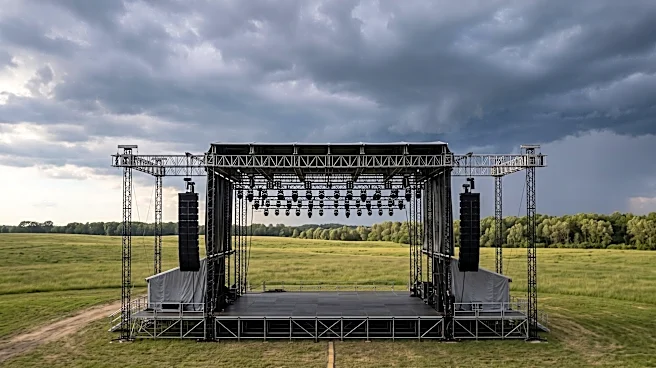

The October Sky's Gamble
Ask any Austinite about October weather, and they’ll likely tell you it’s a coin flip. The month can bring glorious, sunny, and mild days perfect for an outdoor festival. It can also deliver sweltering
heat, torrential downpours leading to flash floods, and severe thunderstorms that pop up with little warning. Zilker Park, the festival's home, sits in a floodplain, making heavy rain a particularly potent threat. This volatile mix of potential hazards—heatstroke, lightning, and mud-caked grounds—presents a complex challenge for an event responsible for the safety of tens of thousands of people each day.
From Crisis to Calculation
The turning point for ACL's weather strategy came in 2013, when severe storms and flooding forced the unprecedented cancellation of the festival's final day. The move, which led to partial refunds for roughly 75,000 attendees, was a massive logistical and financial blow. Since then, organizers have shifted from a purely reactive stance to a deeply integrated, proactive one. Weather is no longer viewed as an act of God, but as a production variable to be managed. This means building contingency plans into the very DNA of the festival, from artist contracts to vendor agreements and, most importantly, the minute-by-minute operational plan for the event itself.
The On-Site Weather Command Center
Today, ACL operates with a level of meteorological sophistication that would rival a small airport. Organizers work in close partnership with the City of Austin and receive daily briefings from the National Weather Service in the lead-up to the event. During the festival, an on-site command center includes dedicated meteorologists who monitor hyper-local radar and proprietary weather data, providing real-time updates to festival directors. Proactive preparations are now standard procedure. With rain in the 2026 forecast, for instance, organizers announced they were accelerating the setup schedule, clearing drains in Zilker Park, and pre-positioning equipment to mitigate potential flooding.
The Ripple Effect of a Single Alert
When a weather threat becomes imminent, a carefully orchestrated plan kicks into gear. The decision to temporarily evacuate the park for lightning is one of the most common and complex scenarios. Communicating with a massive, distracted crowd is a monumental task. The festival uses a multi-channel approach: announcements on stage video screens, push notifications through the official ACL app, social media blasts, and SMS alerts. Staff and security are trained to guide attendees to shelter. Even a short delay has cascading effects, forcing schedule shuffles, creating logistical challenges for artists, and impacting revenue for vendors. It’s a delicate balance between ensuring safety and preserving the festival experience, a decision that rests on the shoulders of organizers who have mere minutes to make the right call.