





First, Choose the Right Oil
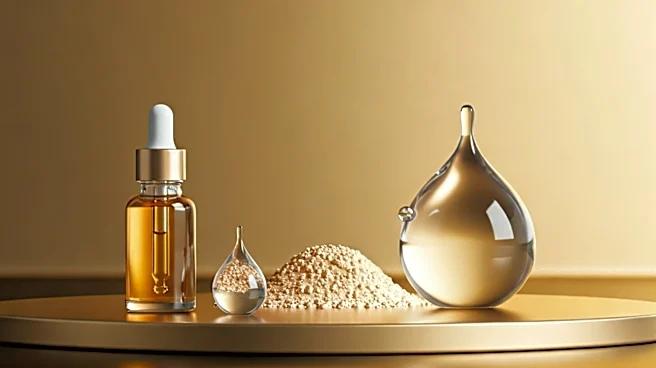
Not all oils are created equal, and the best one for you depends on your hair's texture and needs. For fine or easily weighed-down hair, lightweight oils like argan, jojoba, or almond oil are ideal. They absorb quickly without leaving a heavy residue.
If you have thick, coarse, or very dry hair, you can opt for richer, more penetrating oils like coconut or castor oil. Coconut oil is lauded for its ability to reduce protein loss, while castor oil is often used to promote thickness at the scalp. If you're unsure, argan oil is a fantastic all-rounder that works well for most hair types.
Prep and Section Your Hair
Never apply oil to soaking wet hair, as the water will prevent the oil from penetrating the hair shaft. Start with dry or slightly damp, detangled hair. To ensure even distribution, divide your hair into four or more manageable sections. This prevents you from drenching one area while completely missing another. A few clips can make this process much easier. You’ll also want to wear an old t-shirt to protect your clothes from any drips.
The Art of Application
Start with a small amount of oil—think a quarter-sized puddle in your palm. Warm it between your hands. The focus of your application depends on your goal. If you're targeting scalp health or dryness, gently massage the oil into your scalp using your fingertips (not your nails) in circular motions for 5-10 minutes. This stimulates blood flow. If your primary concern is dry, split ends, concentrate the oil from the mid-lengths to the ends, which are the oldest and most fragile parts of your hair. Avoid slathering your roots if you have an oily scalp.
Less Is Always More
The most common mistake is using far too much oil. Your hair should look lightly coated and shiny, not sopping wet and dripping. If you can see oil running down your forehead or neck, you’ve gone too far. A good rule of thumb is to start with a small amount and add more only if necessary. Remember, it's much easier to add more oil than it is to remove it. Properly oiled hair will feel soft and saturated but not greasy or heavy.
Protect Your Pillowcase
To avoid staining your bedding, you need to wrap your hair. The best options are a silk or satin bonnet, scarf, or cap. These materials are gentle on the hair cuticle, preventing friction and breakage while you sleep. They also help lock in the moisture from the oil. If you don't have a bonnet, you can loosely braid your hair and cover your pillow with a thick towel as a protective barrier.
The Morning Washout Method
Washing the oil out properly is critical. Hopping in the shower and rinsing with water first will make your hair repel the shampoo. Instead, apply your shampoo directly to your dry, oiled hair *before* getting it wet. Emulsify the shampoo with a tiny splash of water and work it through your roots and lengths. This allows the shampoo to bind directly with the oil, breaking it down effectively. Once you’ve worked it into a lather, rinse thoroughly and follow up with a second shampoo if needed. Finish with your regular conditioner, focusing only on the ends.
Finding the Right Frequency
The “how often” depends entirely on your hair type and condition. For those with very dry, damaged, or coarse hair, an overnight treatment once or twice a week can work wonders. If you have fine or oily-prone hair, you may find that once every one to two weeks is plenty. Pay attention to how your hair responds. If it feels weighed down or greasy after washing, reduce the frequency. If it still feels dry, you might need to do it more often or try a slightly heavier oil.