



The End of Corporate Armor
Let’s be honest: the old-school power suit felt like a costume. It was stiff, restrictive, and designed for a rigid corporate hierarchy that feels increasingly archaic. Think sharp, padded shoulders, constricting neckties, and fabrics that valued durability
over comfort. For the better part of a decade, menswear trended in the opposite direction, embracing streetwear, athleisure, and a general sense of unstructured ease. The office uniform became a relic, something you’d only see on Wall Street traditionalists or in reruns of *Mad Men*. But fashion, like life, is cyclical. The complete rejection of structure left a void, and designers in Milan—the historic heart of impeccable men's tailoring—sensed an opportunity. They aren't bringing back the uniform; they’re reimagining what it means to dress with intention.
Zegna and the Art of Soft Power
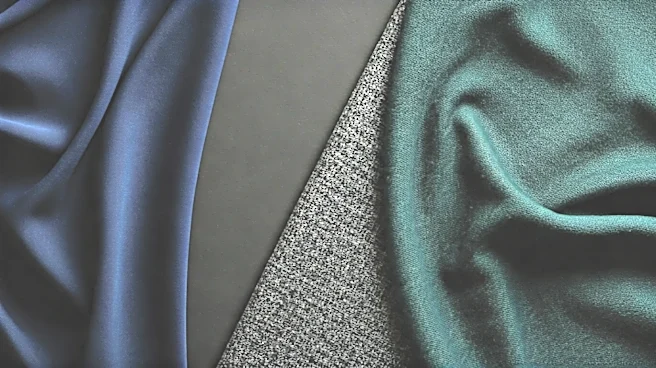
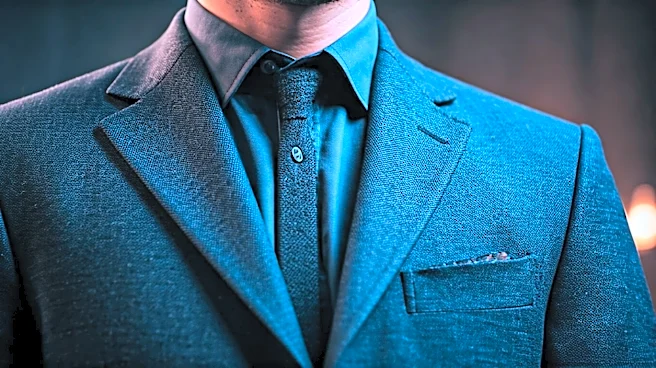
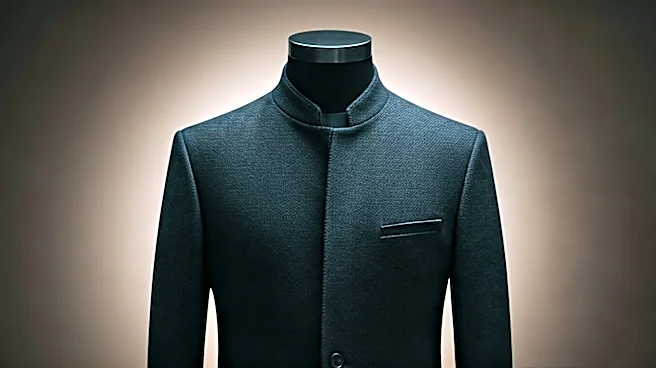
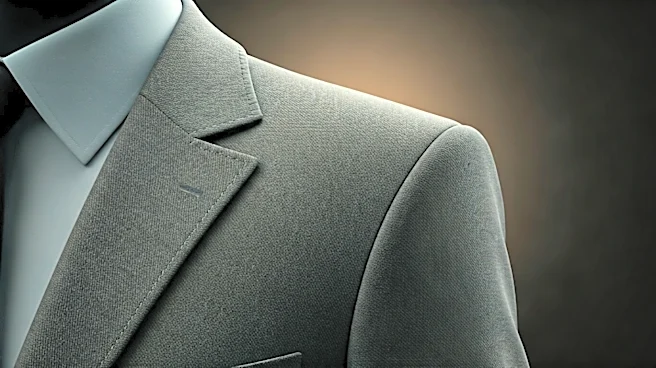
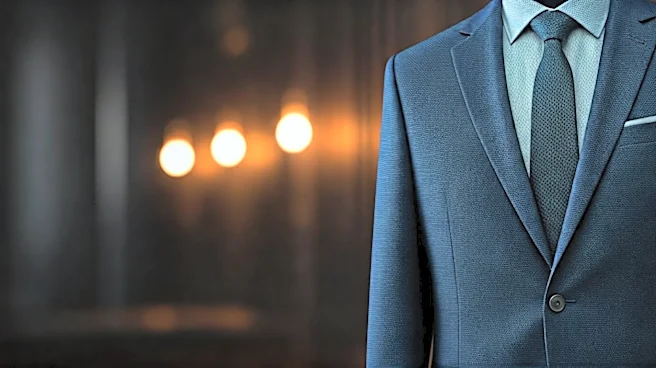
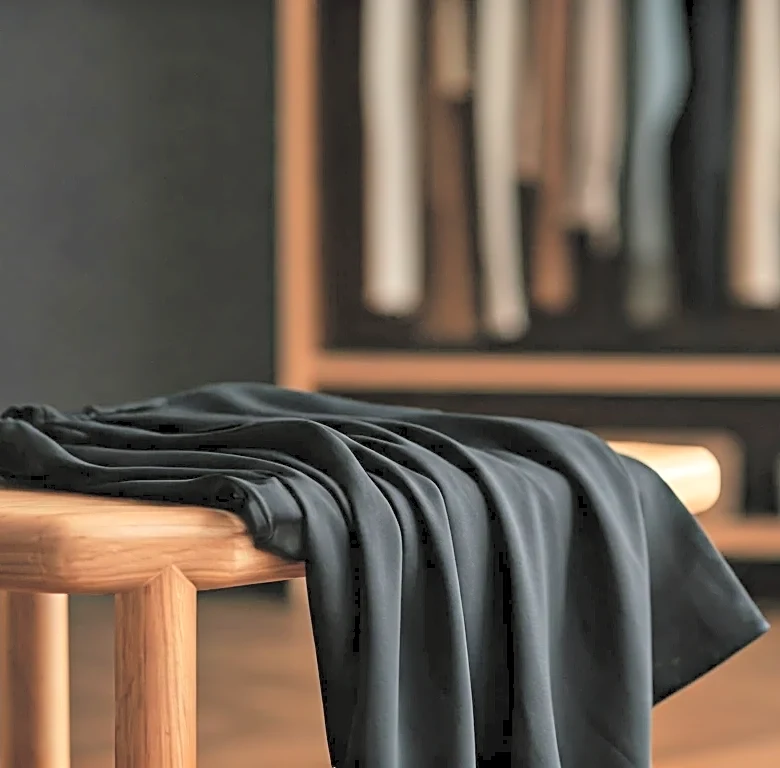
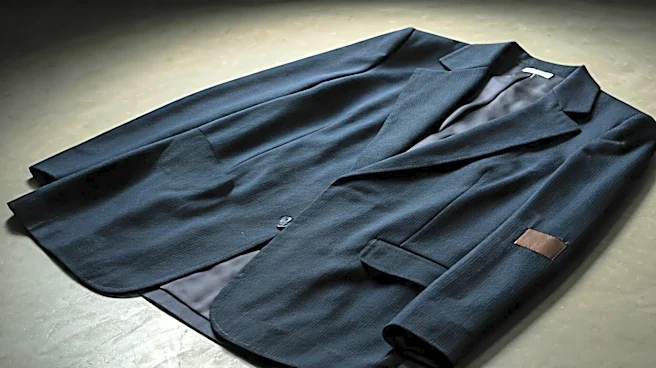
If you want to understand the new businesswear, look at Zegna. Under the creative direction of Alessandro Sartori, the brand has perfected a look that is polished without being rigid. The new silhouette is all about a relaxed, fluid elegance. Blazers come with soft, natural shoulders, doing away with the aggressive padding of the ‘80s. Trousers are often wider, pooling gently over minimalist loafers or sleek sneakers. The magic is in the fabric. Zegna’s 'Oasi Lino'—a beautifully textured linen—and feather-light cashmeres turn the suit from a suit of armor into a second skin. It’s clothing that moves with you, projecting a sense of calm confidence rather than brute force. This isn't about dressing to intimidate the competition in a boardroom; it's about feeling put-together and comfortable in a world where your “office” might be a coffee shop, an airport lounge, or a client dinner.
Prada's Quirky Professionalism
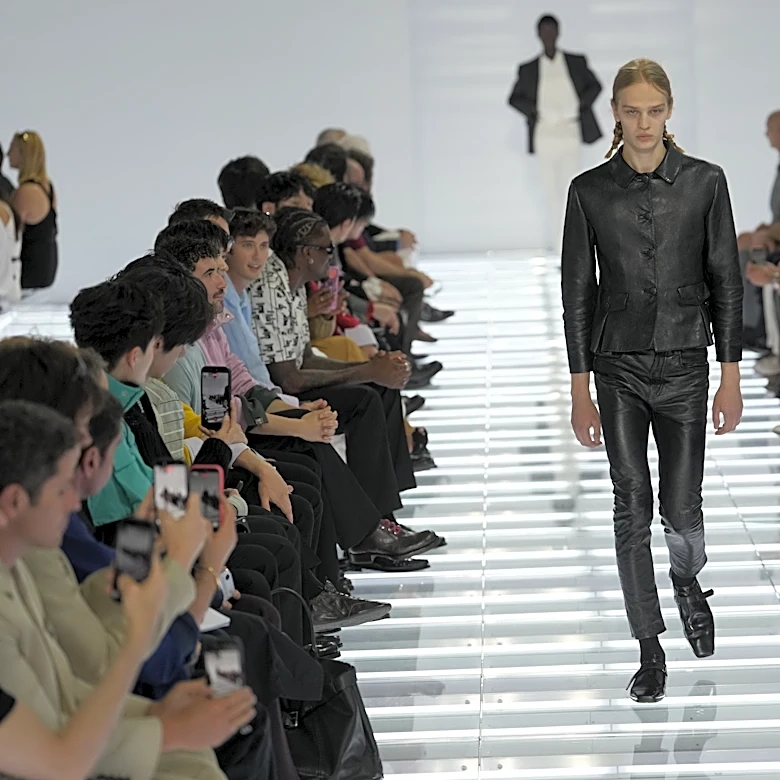
While Zegna masters sophisticated ease, Prada injects the conversation with a dose of intellectual weirdness. Co-creative directors Miuccia Prada and Raf Simons consistently deconstruct the idea of a uniform. Their recent collections have featured familiar workwear elements—crisp shirts, slim trousers, skinny ties—but rendered in slightly off-kilter proportions or unexpected colors. A seemingly normal button-down might have a belt strangely cinched over it, or a classic V-neck sweater might be shrunken to an almost boyish fit. The effect is both nostalgic and futuristic. It’s a look that says, “I understand the rules of professional dress, but I choose to play with them.” By making the familiar strange, Prada makes it cool again. It’s for the creative professional who wants to signal intelligence and a subversive spirit without sacrificing sharpness.
It’s Not Just About the Suit
The revival of businesswear isn't limited to the two-piece suit. It’s about a broader return to intentional, tailored separates. Milan’s runways were filled with beautifully cut trousers paired with luxury knit polos, chore coats rendered in exquisite suede, and unstructured blazers thrown over simple t-shirts. Brands like Gucci and Fendi are showing how a well-made trench coat or a pair of pleated wool trousers can elevate an entire wardrobe. The key takeaway is versatility. This new “businesswear” is designed to function across a fluid week. The same blazer that looks sharp in a Monday morning meeting can be worn with jeans on a Friday night. It’s an antidote to the disposable nature of fast fashion and the shapelessness of permanent casual wear. It’s about investing in pieces that are timeless yet modern, comfortable yet structured, and above all, make you feel capable and confident.