


The Evergreen Asset
The traditional franchise playbook, perfected by Hollywood studios, is built on massive opening weekends, sequels, and expansive cinematic universes. But streamers are playing a different game. Their goal isn't just a one-time splash; it's creating 'evergreen'
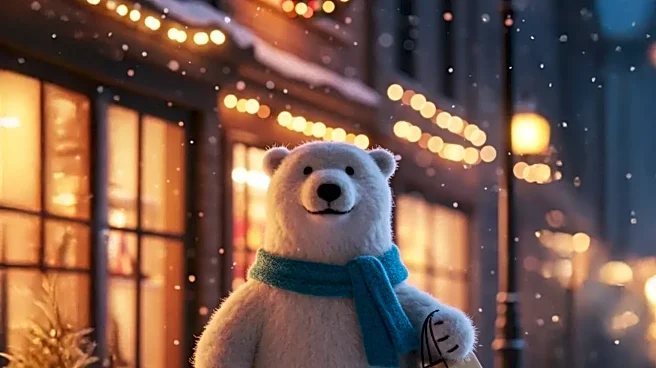
content that becomes a permanent part of their library's value. Holiday movies are the perfect vehicle for this. A successful holiday film is designed to be re-watched every single year. Classic titles like 'Home Alone', 'Elf', and 'How the Grinch Stole Christmas' consistently rank among the most-streamed movies each December, decades after their release. This predictable, recurring demand is a goldmine for platforms built on monthly subscriptions. By producing their own original holiday films, streamers like Netflix, Disney+, and Amazon Prime Video are attempting to create the classics of the future. The ultimate goal is to turn a new movie, like Netflix's 'Klaus', into a family tradition—an annual appointment that keeps subscribers loyal.
Lower Risk, High Reward
While a live-action blockbuster can cost hundreds of millions and still flop, animated features often represent a more calculated risk. The economics of animation reward the owners of intellectual property (IP) and distribution platforms. For streamers, who are both, the logic is compelling. An animated film isn't dependent on the fleeting availability of a specific movie star and has a timeless quality that prevents it from feeling dated too quickly. Furthermore, animation offers boundless creative freedom. It allowed director Sergio Pablos, co-creator of the 'Despicable Me' franchise, to develop a unique, 2D-animated style for 'Klaus' that blended traditional techniques with modern lighting, making it a critical success. This visual distinction helps a film stand out in a crowded market where hundreds of new holiday titles appear each year. While streamers are still spending significantly on holiday content, the potential for a perennial hit that costs less than a live-action tentpole makes animation a financially attractive bet.
Building the Holiday Universe
This strategy isn't just about single films; it's about building an entire holiday ecosystem. Netflix, for instance, has been noted for creating a 'Christmas cinematic universe' with interconnected references across its holiday projects. This mimics the successful strategy pioneered on cable by the Hallmark Channel, which built a powerful brand on a consistent pipeline of holiday-themed movies. By creating a deep catalog of original holiday content—from animated features to live-action rom-coms—streamers give viewers a reason to stay on their platform throughout the entire season. The data shows that holiday content viewing surges dramatically in November and December, accounting for over a third of all movie viewing time during that period. Having a rich library of both licensed classics and exclusive originals is crucial for capturing this massive, engaged audience.
More Than a Movie
The long-term playbook for these animated originals extends far beyond streaming views. A beloved animated character is a gateway to a world of merchandising and licensing opportunities. While the initial goal is to create a re-watchable movie, the ultimate prize is creating intellectual property that can be spun off into toys, apparel, video games, and even theme park attractions. Think of how Disney leverages 'Frozen' or how Illumination's Minions became a global phenomenon. An animated holiday character can become a seasonal brand. This is a strategy that turns a one-time content expense into a recurring revenue stream that diversifies a streamer's business model. As streaming services mature and face increased competition, owning valuable, family-friendly IP that can be monetized across different platforms becomes a critical competitive advantage.