





The Allure of Summer Whites
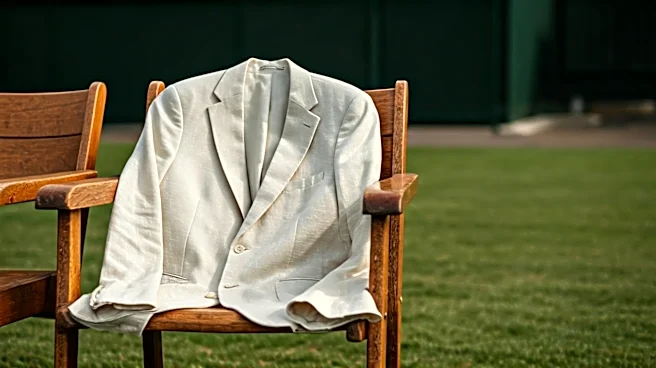
There's an undeniable elegance to a summer white outfit. It feels fresh, intentional, and eternally chic. While players on the court are bound by a strict all-white dress code, spectators, particularly those with coveted Royal Box invitations, often adopt
the palette as a nod to tradition. The look is less about trend-following and more about embodying a timeless, sophisticated aesthetic. But as anyone who has tried it knows, there’s a fine line between looking radiant and looking like you’re wearing a bargain-bin find. The secret, as always, lies in the details you can’t immediately see.
Decoding the 'Quiet Luxury' Code
"Quiet luxury" is a style philosophy centered on high-quality craftsmanship, timeless design, and an absence of loud logos. It whispers wealth rather than shouting it. Think less about brand names and more about the intrinsic quality of a garment—its fabric, tailoring, and construction. In the context of summer whites, this means choosing pieces made from substantial, natural fabrics like high-grade linen or dense cotton that hang beautifully and don't become transparent in the summer sun. The goal is an outfit that looks and feels expensive due to its inherent quality, not because of a visible brand name. This understated approach is perfectly suited to the decorum of the Royal Box, where the dress code is simply "smart," encouraging elegance over ostentation.
The Pleat: A Masterclass in Subtlety
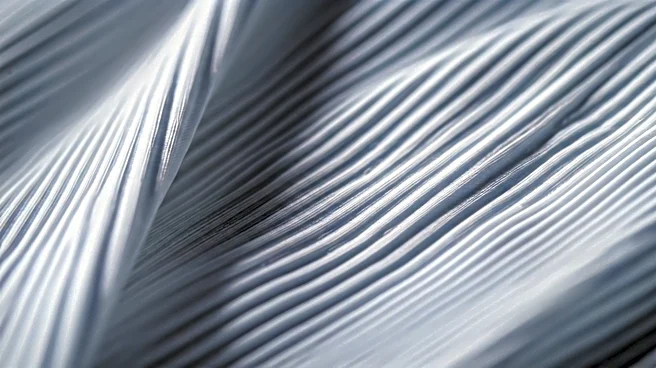
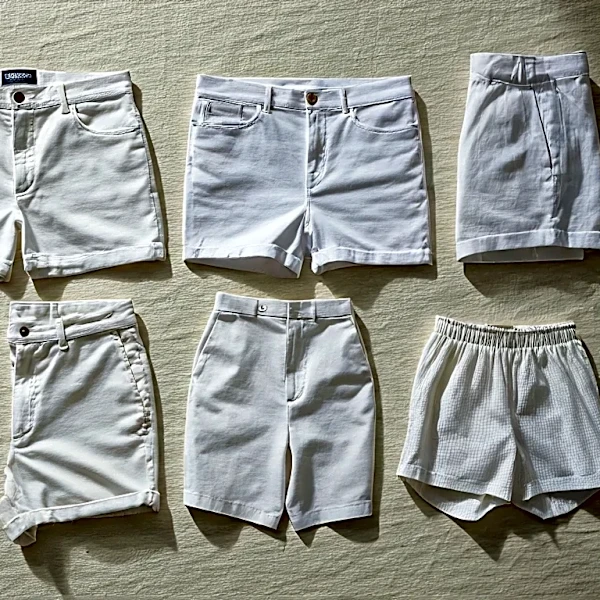
This brings us to the humble pleat, a detail that perfectly illustrates the difference between mass-market and luxury clothing. A cheap pleat is often shallow, using less fabric to cut costs. It can appear limp and may lose its shape after a single wash. An expensive pleat, however, is a feat of engineering. Deeper folds require significantly more fabric, which immediately increases the cost and weight of the garment, allowing it to drape and move with more authority. These pleats, whether they are sharp knife pleats or structured box pleats, are precisely folded and often heat-set to ensure they remain crisp and uniform for the life of the garment. Synthetic fibers like polyester are often best for holding permanent pleats, but high-end natural fibers can also be treated to maintain their structure. The uniformity and depth of the pleats are a subtle but powerful signal of quality construction.
Beyond the Pleat: Other Telltale Signs
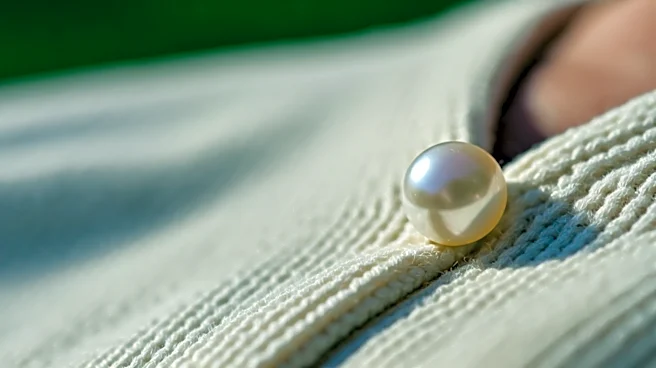
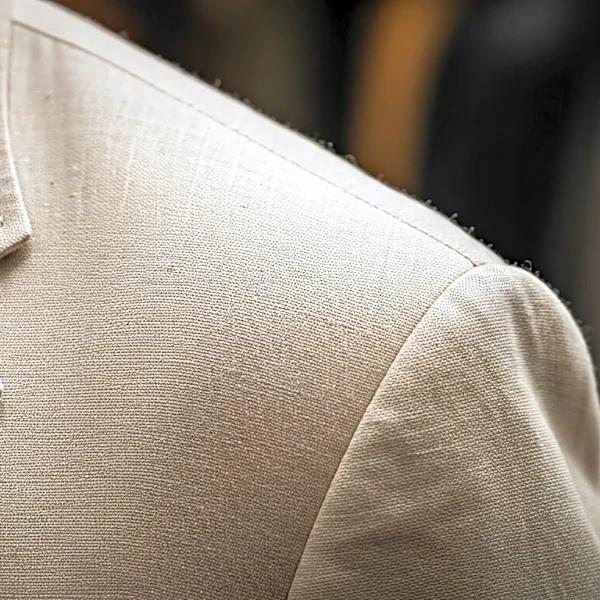
Once you start noticing pleats, you'll see other markers of quality everywhere. Look at the seams; on a high-end garment, they might be French-seamed or bound, creating a clean finish on the inside that’s as beautiful as the outside. Cheaper clothes often use a simple overlock stitch that can be bulky and unravel over time. Pay attention to the hardware—buttons should feel substantial, not plasticky, and be sewn on securely. Check for a lining; while not always necessary, a quality lining helps a garment hang correctly and prevents sheerness, a common issue with white clothing. Even the fabric itself tells a story; a high-quality cotton or linen will have a more consistent weave and a softer hand-feel than its cheaper counterparts, which often lose their shape after a few wears.