
Beyond Matching: What Is Tonal Dressing?
First, let's clear up a common misconception. Tonal dressing isn't about wearing the exact same color from head to toe. That’s monochromatic. Tonal dressing is the more sophisticated cousin; it involves layering different shades, tints, and tones from the same color family.
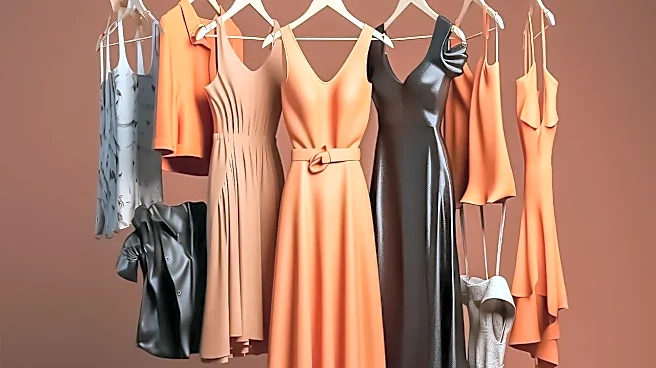
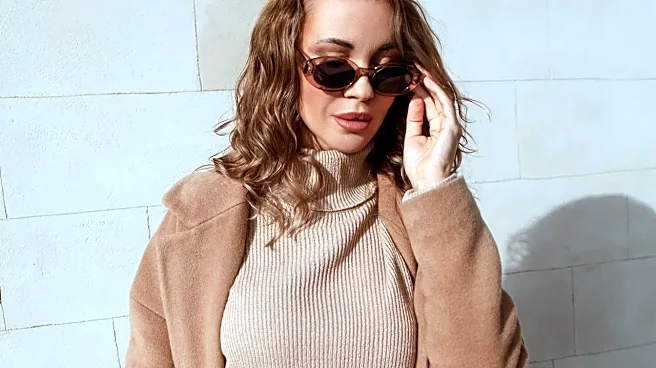
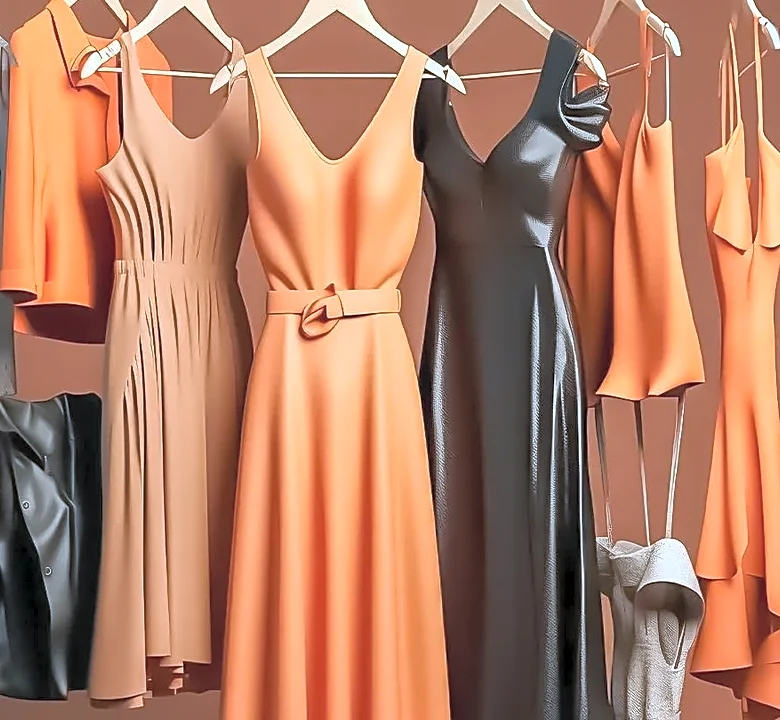
Think of a complete look built around earthy browns, combining everything from a light cream top and tan trousers to a deep chocolate brown coat. The goal is to create depth and visual interest without introducing a contrasting color. When done right, it radiates a quiet confidence and makes any outfit, even a casual one, feel more polished and intentional.
The Secret: Understanding Color Undertones
Here’s where we get to the game-changing detail. Every color has an undertone, which is essentially its underlying temperature. Is it a warm, yellow-based color, or a cool, blue-based one? Think about two different beige sweaters. One might have a golden, creamy look (warm), while the other looks sandier, with an almost greyish or pinkish hint (cool). That subtle difference is the undertone. The most successful tonal outfits are built by keeping these undertones consistent. A look composed of warm, earthy browns feels harmonious because all the pieces share that same yellow-based DNA. Mixing a warm, mustardy-yellow with a cool, icy lemon-yellow can feel slightly off because their undertones are fighting each other.
How to Spot Undertones in Your Closet
Identifying undertones in fabric is easier than it sounds. The best tool is natural daylight. Lay a few items from the same color family next to each other. Can you spot the subtle yellow, golden, or peachy hue in some? Those are your warm-toned pieces. Do others have a slight blue, pink, or purple cast? Those are cool-toned. Another great trick is to use a pure white piece of fabric for comparison. Hold a garment next to the crisp white; warm tones will appear more noticeably yellow or creamy, while cool tones will look sharper or have a faint blueish quality. Comparing a color to pure black and white can also help reveal whether it's a cooler or warmer version of itself.
Building a Cohesive Tonal Look
Now, put it all into practice. The simplest way to start is with neutrals. Gather all your greys, for example. Separate them into cool-toned charcoal and slate greys (which have a blue base) and any warmer, brownish-greys (often called 'greige'). Build an outfit using only pieces from one of those piles. A cool charcoal blazer with a lighter, heather-grey top and slate-grey trousers will look incredibly sharp. The same principle applies to any color. Pair warm, olive-leaning greens with other earthy greens, and keep your cooler, minty or emerald greens for a separate look. This consistency is what creates that seamless, expensive-looking flow.
Finishing Touches: Texture and Accessories
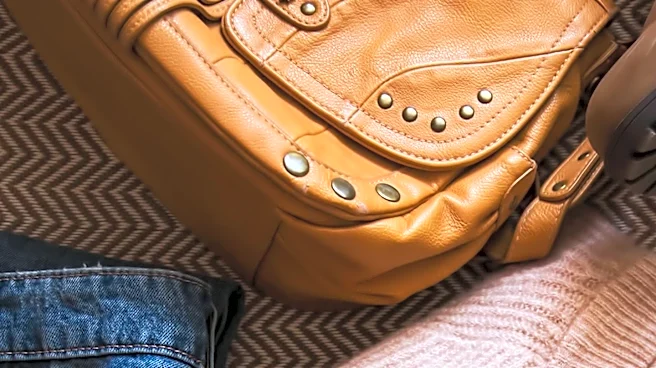
Once you've aligned your undertones, the final step to elevate the look is by mixing textures. A successful tonal outfit creates interest through the interplay of different materials. Pair a chunky, warm-toned knit sweater with smooth, warm-toned silk pants. Combine a matte, cool-toned cotton shirt with a shiny, cool-toned leather skirt. The contrast between soft and structured, or matte and shiny, prevents the outfit from looking flat. When it comes to accessories like jewelry, the same rule often applies. Gold and brass jewelry typically enhance warm-toned outfits, while silver and platinum complement cool-toned looks.