
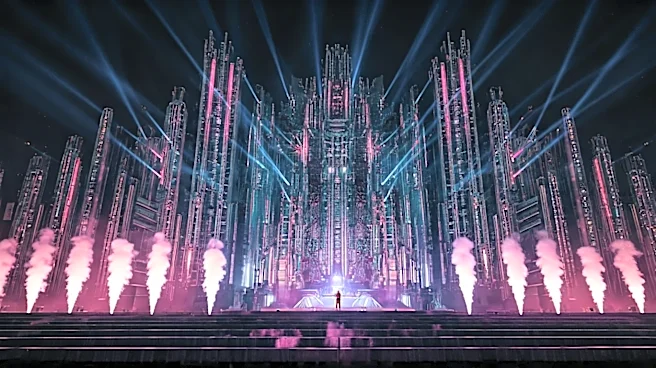
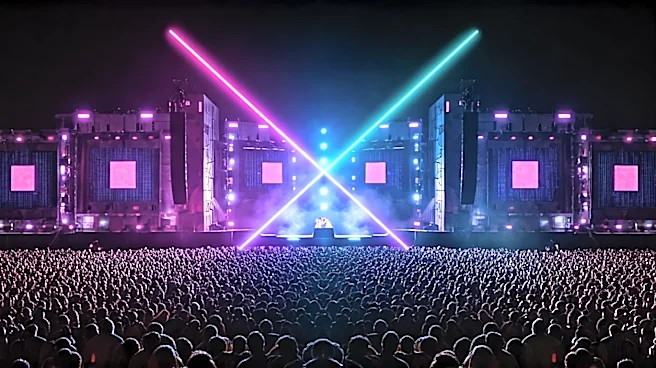
The Cathedral of Euphoria: kineticFIELD
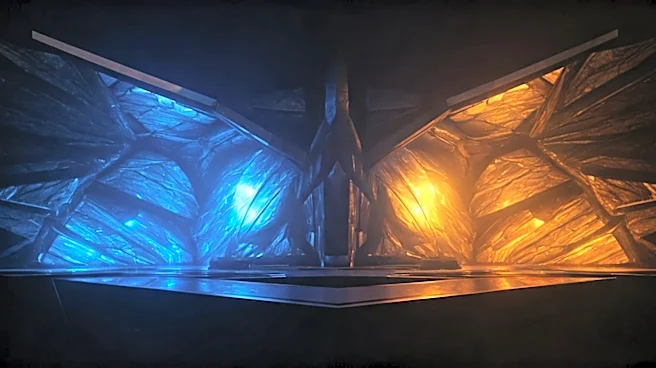
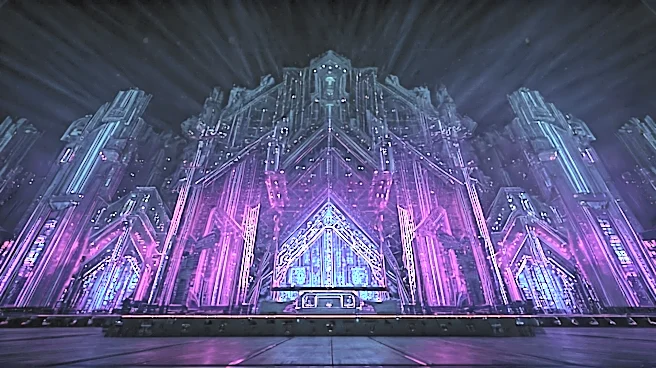
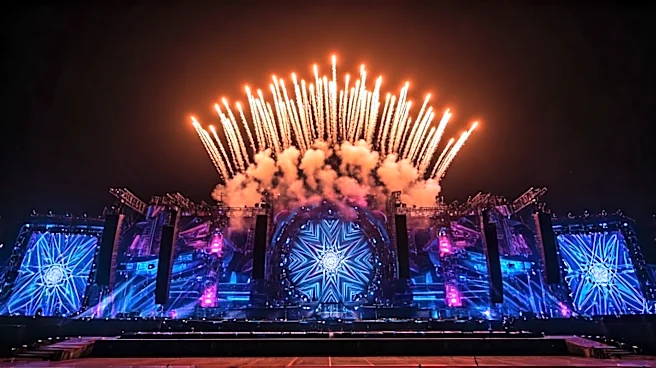
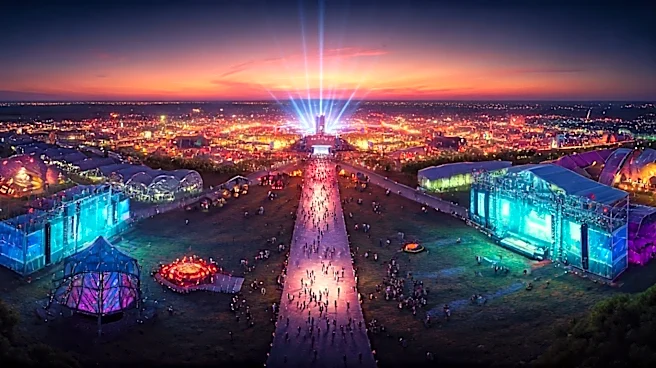
kineticFIELD is not just a stage; it's the heart of the festival, a pulsating monument to electronic music's mainstream dominance. Towering over the Las Vegas Motor Speedway, it’s a masterpiece of maximalism. Think hundred-foot-tall owls, moving waterfalls,
and more pyrotechnics than a Fourth of July finale. This is where the world’s most famous DJs play the anthems you’ve heard on the radio, the drops are telegraphed for maximum impact, and a hundred thousand people sing along in unison. Choosing kineticFIELD is choosing to be part of the festival's single biggest moment. It’s a collective experience, designed for shared euphoria and creating memories defined by overwhelming scale. The psychology here is rooted in social connection and spectacle. The fan at kineticFIELD wants to feel the ground shake with a sea of fellow ravers, to throw their hands up during a perfectly timed firework burst, and to be able to say, “I was there.”
The Temple of Groove: neonGARDEN
Tucked away from the main-stage madness, often under the canopy of a massive, dark tent, is neonGARDEN. This is the antithesis of kineticFIELD. The lighting is sparse, the focus is singular, and the vibe is intimate. Here, house and techno reign supreme. The music is a relentless, hypnotic pulse, not a series of explosive peaks and valleys. Sets are often longer, allowing DJs to take the crowd on a proper journey. The fan who makes a beeline for neonGARDEN isn't looking for spectacle; they're looking for immersion. They are often self-described music purists or connoisseurs who value the technical skill of the DJ and the nuance of a four-on-the-floor beat over pyrotechnics and singalongs. The atmosphere is less a stadium concert and more an underground warehouse party, where the connection is less with the massive crowd and more with the relentless groove itself.
The Psychology of Spectacle
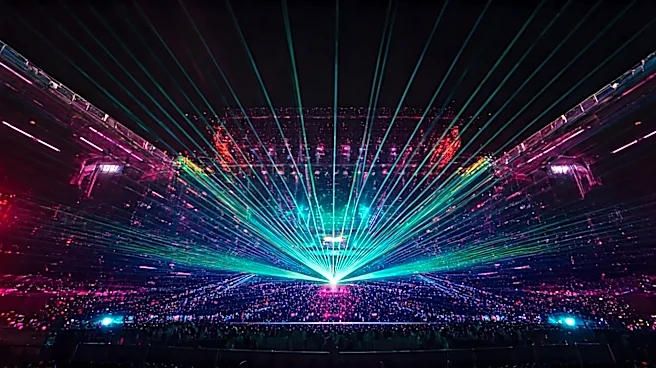
The draw to kineticFIELD taps into a fundamental human desire for communal experience and peak emotion. It’s the same impulse that fills stadiums for a championship game or gathers crowds for a historic event. The sheer scale validates the experience; if this many people are here, it must be the most important place to be. This is the power of social proof. The production value—the lights, the lasers, the story-driven stage designs—is engineered to create awe, a feeling that temporarily suspends disbelief and unites the audience in a shared sense of wonder. For many, this is the very definition of what a festival should be: a larger-than-life escape from reality where you are part of something massive, memorable, and visually stunning. It’s an externalized form of joy, meant to be captured on camera and shared with the world.
The Mindset of the Connoisseur
Conversely, the neonGARDEN devotee is often seeking an internalized experience. The psychology here is about escapism through focus, not distraction. By stripping away the visual excess, the stage places the entire emphasis on the sound. This attracts a fan who sees themselves as discerning, someone who has “graduated” from the main stage or was never interested in it to begin with. They find their euphoria not in a synchronized drop, but in the subtle shift of a baseline or a perfectly mixed transition that only a true fan of the genre would notice. There’s a certain cultural capital in preferring neonGARDEN; it signals a deeper knowledge and a commitment to the “roots” of dance music. It's a choice that says, “I’m not here for the fireworks; I’m here for the music.” It's a quieter, more personal form of transcendence.
Two Paths, One Festival
Ultimately, the division between kineticFIELD and neonGARDEN represents the healthy, dynamic tension within EDM culture itself: the pop-fueled spectacle versus the underground groove. One is not inherently better than the other; they simply serve different psychological needs. kineticFIELD offers a guaranteed emotional payoff, a bombastic and inclusive celebration for the masses. neonGARDEN provides a haven for those who want to get lost in the music, to dance with their eyes closed, and to connect with a specific subculture. Your choice says less about your taste in BPM and more about how you’re wired to find joy—whether it's by looking up at the sky in awe with thousands of new friends, or by looking inward and locking into a beat for hours on end.