









The Battleground of Menswear
First, let’s set the scene. Pitti Uomo is the premier trade show for men’s fashion, a gathering of buyers, editors, and style enthusiasts who dictate what you’ll see in stores a year from now. But its real influence comes from the street style outside
the convention halls. Photographers capture the attendees, known as the 'Pitti Peacocks,' whose outfits are meticulously planned statements. It’s here, on the cobblestones of the Fortezza da Basso, that a man’s choice of shoe becomes a declaration. And no shoe is more scrutinized than the classic leather loafer, the versatile linchpin of the modern wardrobe.
The Case for Patina: A Story in Scuffs
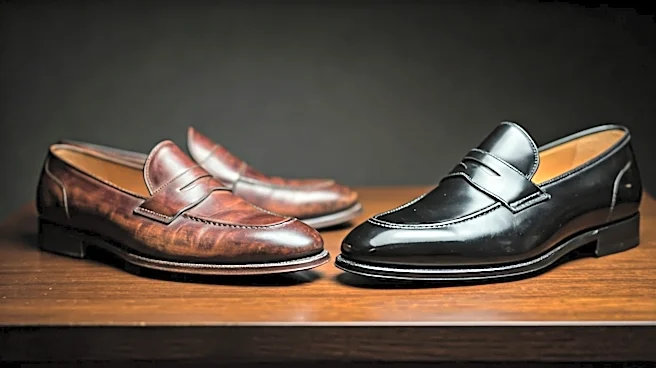
On one side, you have the advocates for patina. Patina is the gentle aging of high-quality leather—the subtle darkening, the unique creases, the soft scuffs, and the rich sheen that develop over years of wear. A loafer with a deep patina isn’t dirty or neglected; it’s cherished. It tells a story. Each mark is a memory: a spilled drop of Chianti, a dash through the rain in SoHo, a thousand cross-legged conversations. This philosophy is rooted in 'sprezzatura,' the quintessentially Italian concept of studied carelessness. It’s about looking perfect without looking like you tried. A well-worn loafer suggests you’ve owned beautiful things for so long you’re no longer precious about them. It hints at old money, inherited style, and a life so full that your shoes have had to keep up. It’s a quiet confidence that says, 'My style isn’t a costume; it’s the genuine article, earned over time.'
The Power of Polish: Perfection as a Priority
On the other side of the debate stands the man with the mirror-shined loafers. His shoes look as if they just emerged from the box, gleaming and flawless. This isn’t a sign of neglect, but of a different kind of care: meticulous, disciplined, and deliberate. For this tribe, perfection is the point. A flawless shine demonstrates respect for the craftsman who made the shoe and for the occasion at which it’s being worn. It projects sharpness, ambition, and an impeccable attention to detail. This aesthetic often aligns with a more modern, global, or aspirational sensibility. It’s less about where you’ve been and more about where you’re going. Think of the gleaming dress shoes of a top lawyer or the box-fresh designer sneakers of a tech CEO. This isn’t about faking it; it’s about presenting the best possible version of yourself to the world. The polish is a form of armor, a signal that you are in control and ready for business.
Why This Simple Choice Says So Much
So, why does this matter beyond a niche group of fashion obsessives? Because this debate is a proxy for a larger cultural conversation about identity. It’s a choice between two distinct philosophies of self-presentation. Do you value history or possibility? Authenticity or aspiration? The romance of the past or the promise of the future? A shoe with patina says, 'I have a story.' A perfectly polished shoe says, 'I am ready to write my story.' In the U.S., this same tension has played out for decades. It’s the worn-in Bass Weejuns of the Ivy League campus versus the gleaming Gucci bit loafers of the 1980s Wall Street power broker. It’s the rugged, broken-in work boots of the Brooklyn artisan versus the pristine Common Projects sneakers of the Silicon Valley entrepreneur. We constantly broadcast signals about our background, our values, and our ambitions through our clothing, and shoes are one of the most potent transmitters.