



The Ritual of the Sunday Scaries
Before it was a battleground for prestige TV, Sunday night was simply the end of the line. It’s the evening freighted with the dread of Monday morning, the last gasp of weekend freedom. This shared psychological state makes viewers uniquely receptive.
As a curator for the Paley Center for Media once noted, the mix of anticipation and dread makes it a perfect time for programmers to play on audience emotions. Watching a major show provides a communal ritual, a national book club that unfolds in real time. It’s a way to collectively process the end of the weekend and arm yourself with something to discuss at the office—or on Slack—the next day. That ability to set the cultural conversation for the week is a powerful tool.
The Blueprint For Prestige
You can’t talk about Sunday nights without talking about HBO. In the late 1990s, the premium cable network made a brilliant strategic move. While broadcast networks considered weekends a programming wasteland, HBO saw an opportunity. By scheduling groundbreaking shows like "The Sopranos" and "Sex and the City" on Sundays, they transformed the night into a destination for quality. It became a signal to audiences: if a show was on HBO on a Sunday, it was a big deal. This strategy was so effective that "Sunday is… HBO" became a marketing slogan, cementing the network’s brand identity around the time slot. They conditioned viewers to expect the best television of the week, creating a legacy that competitors would rush to copy.
If You Can’t Beat ‘Em, Join ‘Em
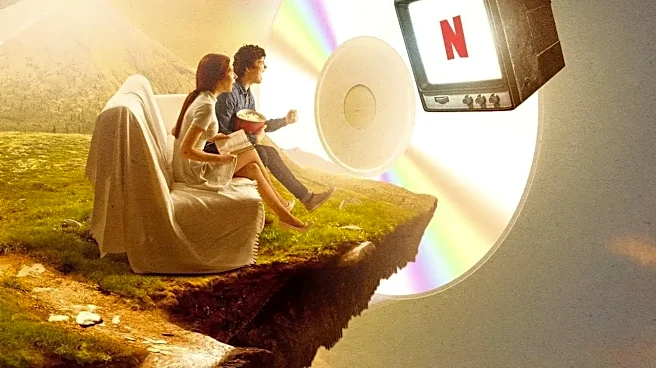
The rise of streaming was supposed to kill the schedule. Platforms like Netflix built their empires on the binge model, releasing entire seasons at once. Yet, as the streaming landscape grew more crowded, many realized the old ways had merit. Releasing a major series all at once can lead to a week of frantic conversation followed by silence. A weekly release, anchored to a prime slot like Sunday, keeps a show in the cultural zeitgeist for months. Streamers quickly learned what HBO always knew: dropping a big episode on Sunday night allows it to dominate online chatter, recaps, and watercooler talk all week long. Shows like "House of the Dragon" and "The Last of Us" prove the model's endurance, with HBO even choosing to air a finale against the Academy Awards, confident its audience would show up. In a world of infinite choice, owning a night provides a crucial anchor.
The Unmovable Anchor: Live Sports
Beyond prestige dramas, Sunday night has another massive, immovable anchor: live sports. For much of the year, NBC's "Sunday Night Football" is one of the most-watched programs in the country, drawing millions of viewers to live television. This mass gathering of eyeballs creates a powerful lead-in for whatever follows and reinforces the habit of tuning in at a specific time. The same applies to major awards shows and other live specials that are frequently scheduled on Sundays to maximize viewership and social media buzz. This blend of high-stakes sports and appointment television creates a potent cocktail that keeps the night at the center of the broadcast universe, a shared experience that on-demand viewing can't fully replicate.