





The Price of an Idea
Long before a single scene is shot, the spending has already begun. The first major hurdle is securing the intellectual property (IP)—the hot new novel, buzzy comic book, or hit podcast that everyone wants. This can trigger a multi-studio bidding war,
with option agreements costing tens of thousands for a limited time and the final purchase price running into the hundreds of thousands or even millions. Then comes development, a costly phase where high-priced writers craft scripts and a detailed series “bible.” Many of these projects burn through cash in development only to be scrapped before ever getting a green light, making the entire upfront investment a write-off.
The A-List Arms Race
In a crowded market, star power is seen as a shortcut to getting audiences to press play. Securing A-list actors, directors, and showrunners has become an arms race. Top-tier talent can now command salaries of $1 million to $2 million per episode. Jennifer Aniston and Reese Witherspoon reportedly earn around $2 million each per episode for “The Morning Show.” These deals often go beyond simple salaries, including lucrative producer credits and backend profit participation. This inflates budgets enormously, as a single star's fee for a season can eclipse the entire production cost of a smaller show. While studios bet on this talent to guarantee an audience, it sets a wildly expensive precedent.
Making It Look 'Cinematic'
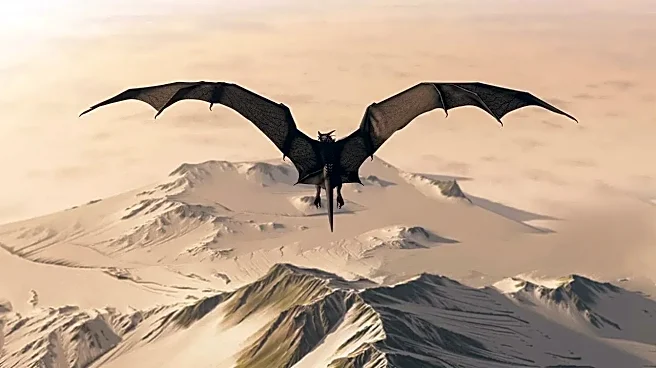
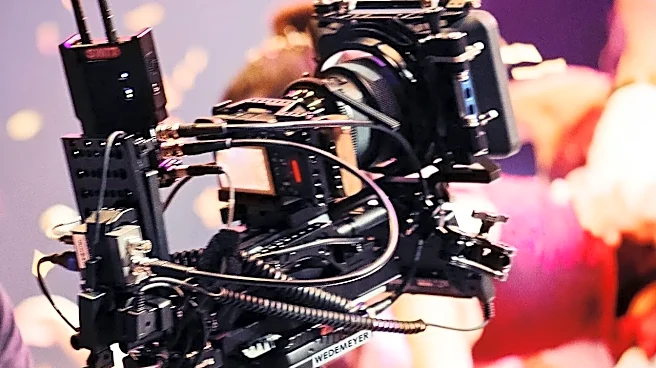
Audiences now expect television to have the scale and polish of a feature film, and that expectation is expensive. Production budgets for prestige dramas frequently range from $8 million to over $30 million per episode. Shows like HBO's “House of the Dragon” and Netflix’s “Stranger Things” operate at these levels, with costs driven by on-location international shoots, elaborate visual effects, and meticulous period-accurate sets and costumes. This “scope creep” leads to longer, more complex production schedules, which in turn increases labor costs for the hundreds of crew members required to make it all happen.
The Marketing Black Hole
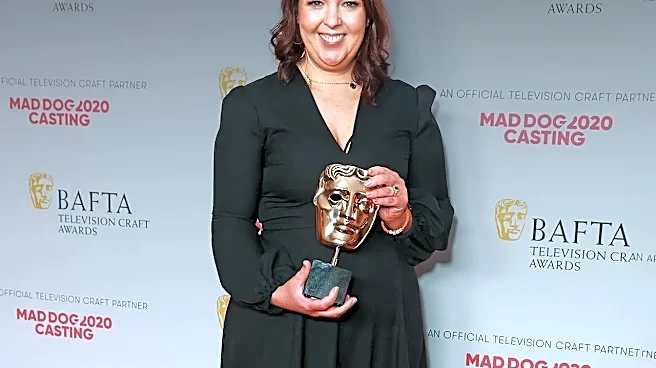
Making a $200 million series is pointless if nobody knows it exists. Marketing has become one of the biggest hidden costs. In a world with infinite content choices, studios spend aggressively to capture public attention. The marketing budget for a major film can be around $35 million on top of a $65 million production cost, and TV is following a similar model. This includes everything from digital ad campaigns and social media blitzes to lavish premiere events and expensive “For Your Consideration” campaigns during awards season. A blockbuster show may require a marketing spend that equals a significant fraction of its production budget just to break through the noise.
The Human Cost of Prestige
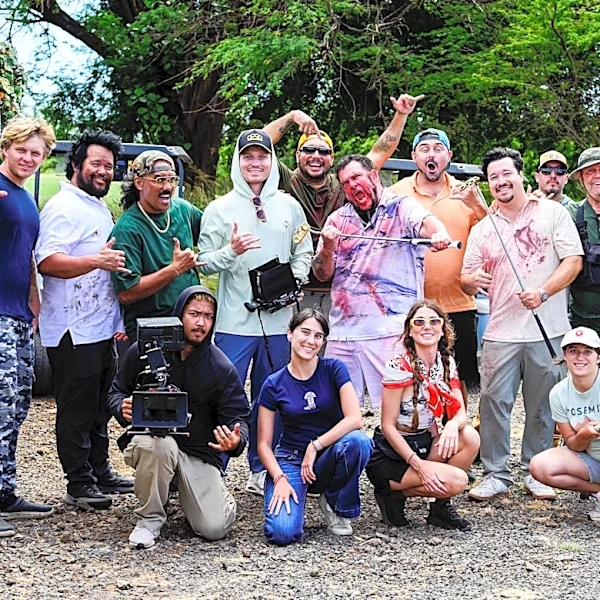
Perhaps the most significant hidden cost is the human toll. The pressure to deliver cinematic quality on a television schedule leads to grueling working conditions. Crew members often face 12-to-16-hour days for months on end, leading to widespread burnout, exhaustion, and mental health challenges. This relentless pace, combined with the instability of freelance gig work, has created a sustainability crisis within the industry's workforce. The high-stakes environment to justify massive budgets puts immense pressure on everyone from the showrunner down, a cost that doesn’t appear on any balance sheet but affects the final product and the people who create it.