






1. The Texture Play
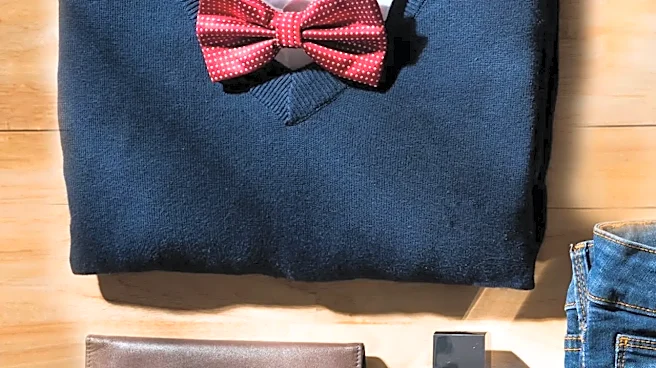
When colors are this close, texture does all the work. It creates visual interest that tells everyone your outfit was deliberate. Think about pairing materials that catch light in different ways. A navy cashmere or wool sweater paired with black leather
pants or a silk skirt is a perfect example. The contrast between a soft, matte knit and a smooth, reflective surface makes each piece distinct, creating a rich, dimensional look that feels expensive and considered. This principle works for any piece: try a navy cotton shirt with black corduroy pants or a navy crepe dress under a black leather jacket.
2. The 90/10 Split
One of the easiest ways to ensure the combination looks intentional is to let one color dominate. Think of it as a main color with an accent, rather than two competing equals. Wear a navy suit or dress and use black exclusively for your accessories: a sharp belt, classic loafers, and a structured handbag. Conversely, a head-to-toe black outfit—like a turtleneck and trousers—gets an instant lift from a single, high-quality navy piece, such as a tailored wool coat. This approach makes the secondary color feel like a purposeful, stylish choice rather than a mistake.
3. The Denim Bridge
If you're hesitant to pair two formal fabrics, let denim be your neutral mediator. A classic pair of dark-wash navy jeans is the perfect companion to black pieces. A simple black t-shirt or a fine-gauge knit sweater with dark navy jeans and black boots is a timeless, casual uniform that nails the color combination without overthinking it. The inherent texture of denim provides a natural separation between the colors, making the look feel grounded and approachable. For an even more layered look, leave a navy shirt open over a black tee.
4. The Office-Ready Professional
In a professional setting, navy and black project an image that's both authoritative and approachable. The combination is a subtle power move. For a can't-miss work outfit, pair classic navy tailored trousers with a simple black crewneck sweater and black loafers. If your workplace is more formal, a navy blazer layered over a simple black dress or paired with a black pencil skirt creates a look that is both conservative and incredibly chic. The key here is fit and fabric quality; well-made suiting and knits ensure the look reads as sharp, not sloppy.
5. The Silhouette Shift
When you're working with a limited color palette, the shapes of your clothes become much more important. Playing with proportion is a sophisticated way to make a navy-and-black outfit compelling. Try pairing a cropped navy jacket with long, wide-leg black trousers to create a dynamic silhouette. Or, reverse it: an oversized navy sweater half-tucked into slim-fitting black pants. By creating a clear distinction in the shape and volume of your top and bottom halves, you add interest that has nothing to do with color, highlighting the architectural lines of the outfit itself.
6. The Distinct Shades Strategy
Not all navies are created equal. The original 'rule' against navy and black came from a time when two very dark, flat fabrics could look like a mismatched suit in dim lighting. To avoid this, simply choose a shade of navy that is visibly blue, even indoors. A brighter, more royal-leaning navy will always stand apart from a true black, making the contrast clear and intentional. Check your combination in natural daylight before you head out; this will give you the best sense of how the two colors are really interacting.
7. The Patterned Connector
If you want to be more obvious about uniting the two colors, use a pattern that contains both. A classic navy-and-black pinstripe, check, or floral pattern can act as a bridge piece in your outfit. For example, you could pair a navy-and-black patterned blouse with solid black trousers, pulling the navy from the print. Or, try a simple black top and navy pants, but add a scarf that incorporates both hues. This technique explicitly ties the two colors together, making your styling choice clear and cohesive.