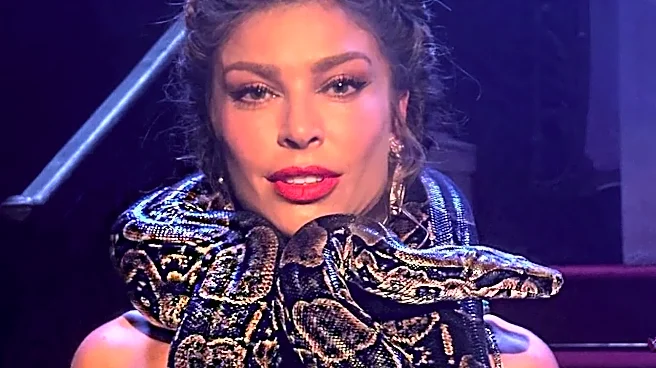



Every Halloween, store aisles flood with costumes that get the point across, but miss the magic. A snake is often just printed scales on cheap fabric. But what if a costume could move with the unsettling grace of the real thing? Enter a brilliant design
idea.
The Problem with Typical Costumes
When you think of a snake costume, you probably picture a simple tube of fabric printed with a scale pattern. It’s a representation, a symbol, but it rarely captures the essence of a serpent. Snakes are defined by their fluid, muscular movement—a hypnotic slither that is both beautiful and unnerving. Standard costumes, cut from stiff, unyielding material, can’t replicate this. They bunch, they wrinkle, and they hang lifelessly. They show you a picture of a snake, but they don’t let you embody its slinky, liquid motion. This is the fundamental challenge of costume design: capturing not just the look of a thing, but its spirit and its movement.
Fashion's Secret Weapon: The Bias Cut
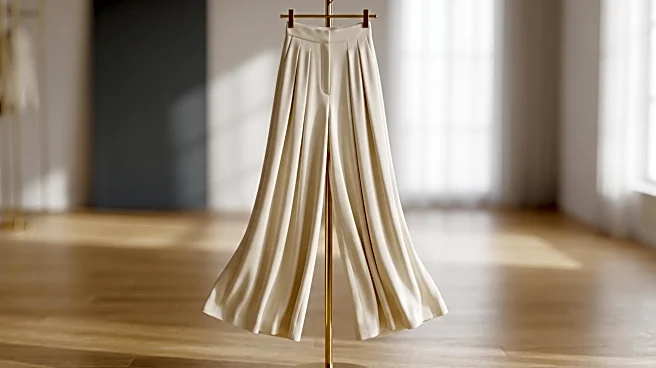
The solution comes from a classic, yet complex, fashion technique known as the bias cut. In simple terms, most fabrics are cut along the straight grain of the weave. But a bias cut involves cutting the fabric at a 45-degree angle. This seemingly small change has a massive impact. It unlocks the fabric’s natural elasticity and drape, allowing it to stretch and cling to the body in a way that a straight-cut piece cannot. Pioneered in the 1920s by the legendary designer Madeleine Vionnet, the bias cut revolutionized evening wear by creating gowns that flowed over a woman's body like liquid, moving with an unparalleled grace. It requires more fabric and significantly more skill to execute, making it a hallmark of high-end design.
Crafting a Serpent from Silk and Satin
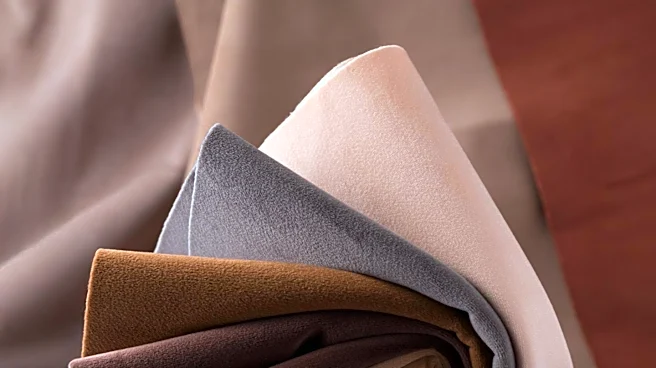
Now, apply that logic to a snake costume. By using a fluid fabric like silk charmeuse or a shimmering satin cut on the bias, a designer can create a garment that mimics the organic movement of a serpent. As the wearer moves, the fabric would stretch and ripple, clinging to their form and creating a visual effect of coiling and uncoiling. The way light hits the draped, flowing material would suggest the subtle sheen of scales far more effectively than any printed pattern. It transforms the costume from a static outfit into a piece of kinetic art. It’s the difference between a drawing of a snake and a live one. The bias cut allows the fabric to 'follow the body's lines,' creating a silhouette that is both elegant and predatory.
Where Costume Becomes Art
This approach elevates a simple Halloween costume into the realm of wearable art. It speaks to a growing appreciation for craftsmanship within cosplay and costume communities, where creators are increasingly seen as artists and engineers. Choosing a bias cut is a deliberate, difficult decision. It's more expensive due to fabric waste and far more challenging to sew, as the fabric tends to warp and stretch during construction. But for those dedicated to their craft, the result is worth the effort. It’s a statement that costumes aren't just about mimicry; they're about interpretation and embodying a character or creature in the most authentic way possible. It’s a celebration of how technical skill and creative vision can produce something truly magical.