







The Baggy Suit Blueprint
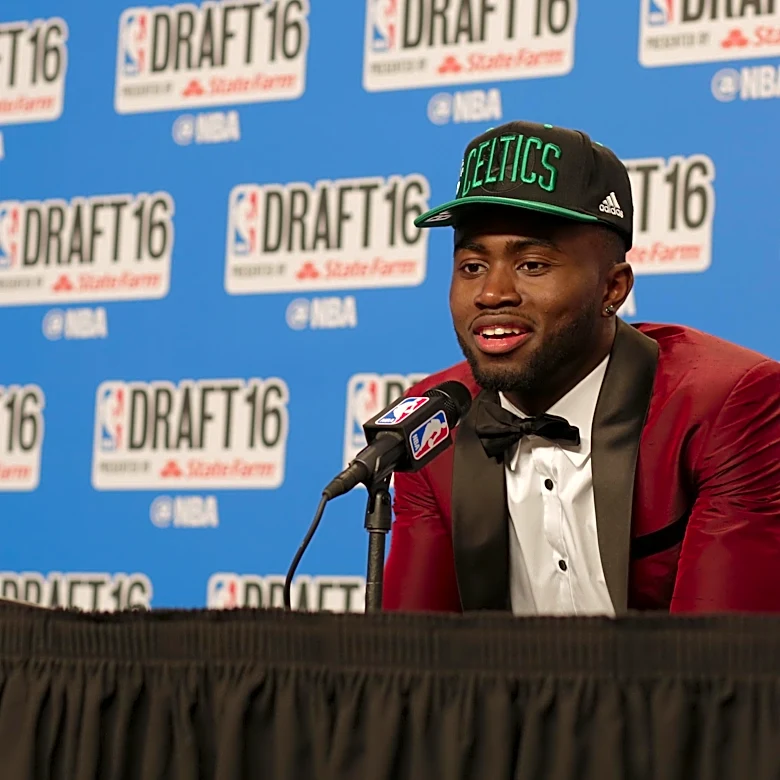
Before the tunnel walk became a runway, the NBA Draft stage was the first catwalk. In the mid-1990s, while the league’s old guard clung to conservative tailoring, a new wave of talent brought the culture of hip-hop directly to the commissioner’s podium.
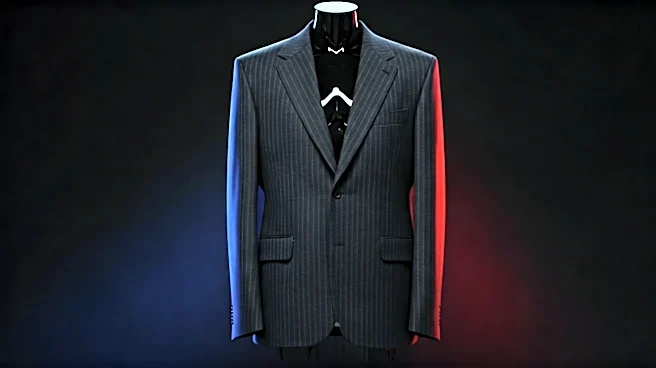
The most prominent example was the baggy suit. When Jalen Rose walked onstage in 1994 in a now-infamous red, pinstriped suit with shoulders that seemed to defy gravity, it wasn’t just a fashion choice; it was a statement. This was the Fab Five ethos personified—unapologetic, loud, and dripping with confidence. Similar looks from Tim Thomas (1997) and others were often dismissed as products of an era with questionable taste. Yet, look at today’s high-fashion landscape. The relaxed, oversized silhouette is back with a vengeance. Designers like Jerry Lorenzo of Fear of God have built an empire on luxury sportswear that echoes the drape and volume of those '90s suits. The slouchy blazer and wide-leg trouser combination seen on today's style gods like Shai Gilgeous-Alexander isn't a new invention; it's a refined echo of the very looks we once lampooned.
The All-White Prophecy
By 2003, the baggy suit era was still dominant, but one rookie decided to purify the look. When LeBron James, the most hyped prospect in a generation, showed up to his draft in an all-white, double-breasted suit, it was a moment. The fit was still loose, but the color—or lack thereof—was the story. It was audacious and clean, projecting a sense of pristine ambition and kingly confidence before he ever played a professional minute. At the time, it was seen as a bold, almost brash move. Today, the monochromatic look is a foundational element of the modern athlete's wardrobe. A crisp, all-white or all-black ensemble is a go-to for press conferences, off-season events, and brand appearances. It’s a powerful, minimalist statement that communicates focus and sophistication. James’s draft-night fit wasn’t just an outfit; it was a preview of the athlete as a master of personal branding, using a simple, powerful aesthetic to build a mythos. He didn't just pick a suit; he chose an aura.
Breaking the Mold with Bizarre Choices
Fashion-forward is often a polite term for what is, at the time, considered just plain weird. Enter Joakim Noah’s 2007 draft night suit. The lanky center from Florida arrived in a tan-and-white seersucker suit with a giant bow tie, looking more suited for the Kentucky Derby than an NBA draft. The reaction was swift and merciless; it became an instant punchline. But what did Noah’s outfit really represent? It was a flagrant disregard for the unwritten rule that basketball players should stick to dark, serious business suits. He chose a material and style completely outside the expected norm. This willingness to experiment—and fail, in the eyes of many—is the very spirit that animates today’s athlete fashion. It’s the same energy that allows players to wear kilts, chest rigs, or suits with no shirt underneath. Noah’s seersucker suit was a chaotic, early attempt at what is now a core tenet of athlete style: personal expression is more important than conforming to tradition.
From Outlier to Icon
The thread connecting these forgotten outfits is the shift in player empowerment. In the past, a rookie's suit was often picked by an agent or family member to project an image of maturity and professionalism. The baggy suits of the '90s were the first major break, representing a cultural identity rather than a corporate one. The bold choices of the 2000s, from LeBron’s pristine white to Noah’s confounding seersucker, furthered this evolution. These players treated the draft as an expression of self, not an audition for a board of directors. They absorbed the criticism and, in doing so, created space for the next generation. Today’s players owe a debt to these pioneers. The reason a player can now arrive at an arena in a full-fledged haute couture look is because a generation before them decided a simple navy suit just wasn't going to cut it. They walked so today’s stars could run the runway.