



The Six-Figure Spectacle
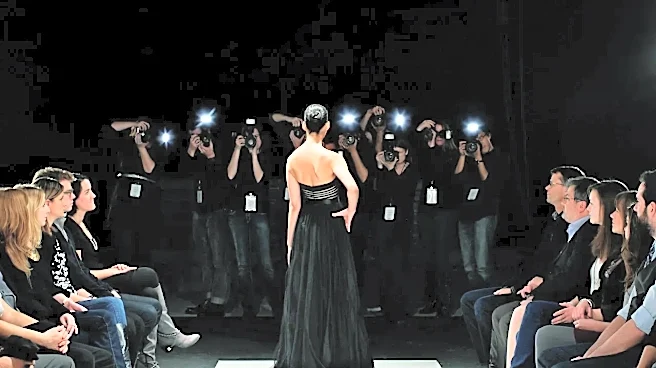
A traditional runway show is a monumental undertaking, both creatively and financially. For an emerging designer, the costs can be staggering, often running into the six figures for a show that lasts a mere 15 minutes. Expenses include everything from
renting a venue and production costs like lighting and sound to paying for models and public relations. This high-stakes, high-cost model has led many young creators to question the return on investment. Is the fleeting buzz of a catwalk presentation worth the immense pressure and financial burden, especially when the digital world offers so many other ways to reach an audience?
From Catwalk to Conversation
Instead of a formal show, many designers are opting for more intimate and interactive formats. During the recent London Fashion Week, designer Steve O Smith presented his collection not as a show, but as a seminar in a cozy room at the Royal Academy of Arts. He walked a small group of editors through each look, explaining the intricate techniques and emotional narratives behind them. Similarly, others have hosted bookstore parties, zine launches, and immersive listening rooms that allow guests to experience the world of the brand. These events trade the impersonal scale of a runway for a deeper, more memorable connection with the audience.
The Rise of the Fashion Film and Digital Experience
The shift away from physical runways has also been a boon for digital creativity. Designers are increasingly using film, gallery-style installations, and digital lookbooks to tell their stories. A short film allows a designer to control every aspect of the narrative—the mood, the setting, the music—in a way that a live show can't guarantee. Multidisciplinary artists are creating immersive visual worlds that blend fashion with storytelling, challenging how identity is represented. These digital presentations have the added benefit of being globally accessible, reaching a far wider audience than the few hundred people who can fit into a physical venue.
A Rebellion Born of Pragmatism
While this evolution is artistically driven, it's also deeply pragmatic. For many independent labels, abandoning the traditional runway isn't just a creative choice; it's a business necessity. By opting for presentations, films, or concept stores, designers can create marketing assets that have a longer shelf life than a 15-minute show. This new approach allows them to connect with their community on their own terms and create moments that last longer than the walk down a runway. The British Fashion Council has even encouraged this shift, expanding the public-facing side of fashion week to include exhibitions, pop-ups, and workshops that move beyond the exclusive, invitation-only model.