




Build a Destination, Not a Directory
Before streaming, before the internet, there was a channel you didn't just tune into for a specific show—you just watched it. That was MTV. Launched on August 1, 1981, it wasn't merely a channel; it was a destination. Its founders understood a crucial
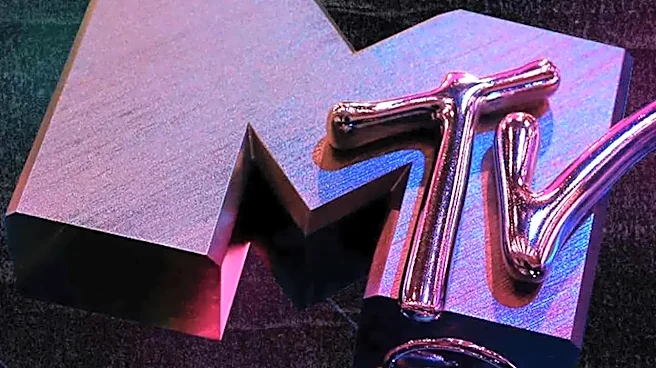
concept that today's cable executives have largely forgotten: brand identity is more than a logo. The iconic, ever-changing MTV logo was a perfect symbol for the channel itself—dynamic, rebellious, and impossible to ignore. While modern cable is a fragmented grid of shows, a mere directory, early MTV was a cohesive cultural universe. It had its own language, its own visual style defined by rapid editing and bold graphics, and a palpable energy. Viewers didn't just watch a show and leave; they hung out with the channel itself, waiting to see what it would do next. This created a powerful sense of community and appointment viewing that has all but vanished from the linear TV experience.
The Power of the Human Connection
In an era of algorithmic recommendations, MTV's secret weapon was profoundly human: the video jockey. The original VJs were not slick, polished hosts; they were relatable, passionate music fans who felt like your cool older sibling. They were cultural curators and trusted guides, bridging the gap between the screen and the viewer. They conducted interviews in gritty clubs, hyped up world premieres, and gave the entire network a face and a personality. This human element fostered a deep connection with the audience that a simple user interface never could. In 2026, as cable channels feel increasingly anonymous, the VJ model offers a lesson in the power of personality. Authenticity and passion are magnetic. Instead of just delivering content, cable networks could thrive by employing trusted, charismatic hosts to guide viewers, build communities around genres, and make turning on a channel feel like visiting a friend.
Embrace the Live and Unpredictable
Today's media is dominated by on-demand convenience, but this has come at the cost of communal excitement. Early MTV was a master of manufactured urgency. From the world premiere of Michael Jackson's “Thriller” to chaotic live segments and countdown shows, the channel felt constantly alive and unpredictable. You had to watch now because you never knew what might happen, and you knew everyone else was watching, too. This created shared cultural moments that became the fabric of a generation's youth. Cable television, in its current form, has leaned away from this. Marathons and scheduled premieres still exist, but they lack the raw, anything-can-happen energy that made MTV essential viewing. To compete with the endless scroll of streaming, cable needs to rediscover the magic of live events and programming that feels immediate and unmissable, giving viewers a reason to show up at the same time.
Don't Just Reflect Culture, Create It
MTV didn't just play the hits; it defined what was cool. It dictated fashion trends, shaped slang, and turned musicians into global icons through visual storytelling. A video played in heavy rotation could launch an unknown band into superstardom. The channel's influence was so profound that it effectively created a national youth culture, smoothing over regional differences. While today's cable networks have hit shows that become part of the cultural conversation, the networks themselves rarely are the conversation. They rent cultural relevance from their programming. MTV, by contrast, was the culture. By the time it officially dropped “Music Television” from its logo in 2010, it was an admission of what it had lost: its central role as a cultural engine. The lesson for 2026 is that a channel's brand must stand for something more than just the sum of its shows. It needs a point of view, an attitude, and the ambition to not just entertain its audience, but to shape their world.