



From Fan Fair to Launch Pad
Before it was a four-day downtown Nashville takeover, CMA Fest was Fan Fair, a humble gathering that started in 1972. Its mission was simple and radical: give fans direct access to their favorite stars. Instead of keeping artists behind velvet ropes,
it put them in autograph booths and on intimate stages. That DNA is still at the heart of the modern festival. While other music festivals like Coachella or Bonnaroo are curated aesthetic experiences, CMA Fest is a giant, genre-wide focus group. It’s less about who has the best flower crown and more about who has the best three-and-a-half-minute story to tell. This unique, fan-first structure is what accidentally created the perfect environment for a career soft launch, allowing artists to test the waters without the massive risk of a nationwide tour or splashy album drop.
The Free Stage Proving Ground
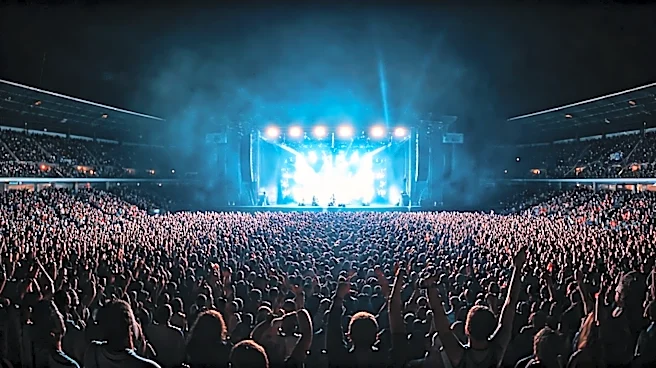
The secret to the soft launch isn't at Nissan Stadium, where the megastars play to 50,000 ticket holders. It’s on the dozens of free outdoor stages that pop up all over downtown Nashville. These daytime stages—the Chevy Riverfront Stage, the Dr. Pepper Amp Stage, and others—are the trenches where careers are forged. For fans, it’s a low-commitment way to discover new music while wandering from one activation to another. For an artist, it’s a high-stakes, 30-minute audition in front of the most dedicated (and discerning) country music fans on the planet. This is where a new artist can gauge if a new song connects, if their stage presence is compelling, or if their new 'look' is landing. The feedback is instant and unfiltered. You can see it in real-time: do people stop walking to listen? Are they singing along by the second chorus? Are they pulling out their phones to Shazam the song? In the digital age, this kind of analog data is priceless.
Case Study: The Breakout Stars
Look no further than Lainey Wilson. Before she was an Entertainer of the Year, she was a festival grinder. Her 2022 CMA Fest performance is now legendary; she played multiple sets, did countless interviews, and her high-energy, bell-bottom-clad persona was everywhere. She didn’t just play music; she launched an entire brand identity. By the end of the week, she had converted thousands of casual listeners into die-hard fans. Similarly, Jelly Roll used CMA Fest to cement his transition from the world of rap and rock into a bona fide country superstar. His emotional, high-octane performances on the free stages demonstrated his authentic connection to the audience, proving to industry gatekeepers that his crossover appeal was real and marketable. Even Luke Combs, now a stadium headliner, built his early buzz on the smaller CMA Fest stages, winning over fans one beer-soaked anthem at a time. These artists didn't just show up; they executed a strategic campaign.
Not Just for Newcomers
The soft launch isn't exclusively for rising stars. Established artists use CMA Fest as a crucial moment to pivot or reinforce their brand. It's the perfect place to debut a lead single from an upcoming album, getting immediate feedback from the genre's core demographic before servicing it to country radio. Kelsea Ballerini has used the festival to signal shifts in her sound and lyrical themes, moving from sunny pop-country to more introspective, vulnerable material. Thomas Rhett might test out a more family-focused set, while a legacy artist could use their appearance to introduce a fresh sound or remind a new generation of fans why they became stars in the first place. It’s a controlled experiment. If a new song or style lands well with the CMA Fest crowd, it’s a green light to go bigger. If it falls flat, the artist can quietly retreat and re-strategize with minimal public fallout.