
From Vacation Luxury to Daily Necessity
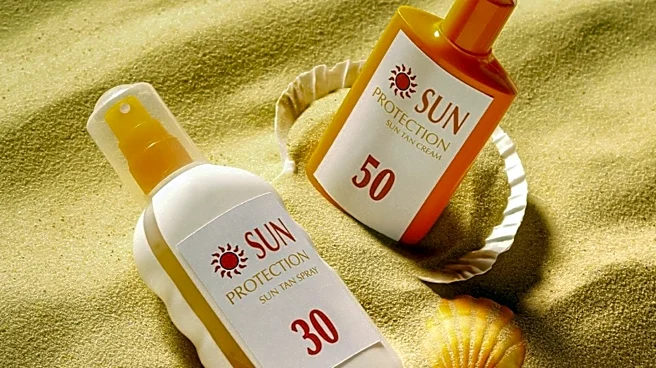
For decades, sunscreen was synonymous with summer. Early commercial formulas, developed around the 1930s and 40s, were thick, chalky, and designed with one primary goal: to prevent a painful sunburn after
a long day at the beach. Products like Coppertone's suntan cream, born from a pharmacist's experiments during World War II, were marketed as tools for achieving a tan, not necessarily for comprehensive skin health. The idea of slathering a sticky lotion over your arms and legs on a cloudy Tuesday was practically unheard of. Sunscreen was a reactive measure for planned, intense sun exposure, not a proactive step in a daily wellness routine.
The Scientific Awakening
The major shift began in the 1970s and 80s as scientific understanding grew. Researchers and dermatologists began to draw a clear, undeniable line between ultraviolet (UV) radiation and long-term skin damage. The conversation expanded beyond just UVB rays, which cause visible sunburn, to include UVA rays, which penetrate deeper and are responsible for premature aging—think wrinkles, sagging, and age spots. This phenomenon was given a name: photoaging. Even more alarmingly, studies confirmed the link between cumulative sun exposure and a significantly higher risk of developing skin cancers, including potentially deadly melanoma. Suddenly, the sun wasn’t just a source of warmth and tans; it was a daily, environmental stressor that required consistent defense.
A Revolution in a Bottle
Science alone wasn't enough to change habits; the products had to be wearable. The sunscreen of the past was often a thick, goopy paste that left a noticeable white cast, felt greasy, and clogged pores. The cosmetic revolution of the late 20th and early 21st centuries changed everything. Brands began investing heavily in creating lightweight, fast-absorbing, and cosmetically elegant formulas. The introduction of broad-spectrum protection, which shields against both UVA and UVB rays, became the industry standard. Innovations led to sprays, gels, and serums that felt more like luxury skincare than medicinal ointments. This made the idea of daily application far more appealing. People were no longer being asked to endure a sticky mess but to apply a pleasant product that often included hydrating and antioxidant benefits.
More Than Just the Face
For a while, the focus of daily SPF was almost exclusively on the face. But as awareness grew, dermatologists began hammering home a crucial point: skin is your largest organ, and the parts you don't see in the mirror are just as vulnerable. The neck, chest, hands, and arms receive significant incidental sun exposure during daily activities like driving or walking outside. This realization pushed the industry and consumers to think beyond facial sunscreen. Applying SPF to all exposed skin—an amount often cited as roughly a shot glass worth for the whole body—became the new gold standard for true sun protection. The message was clear: protecting just your face from sun damage is like locking the front door but leaving all the windows open.
The New Skincare Mandate
Today, daily body sunscreen application represents the pinnacle of preventative skincare. It’s no longer just about avoiding a burn; it's a foundational step in a long-term strategy for health and anti-aging. This philosophy is championed by dermatologists, beauty influencers, and health organizations alike, who frame it as an indispensable daily habit, just like brushing your teeth. The market has responded with an explosion of products designed for this very purpose. The evolution from a thick, beach-only cream to sophisticated, year-round body formulas marks a fundamental reshaping of our understanding of self-care—recognizing that protecting our skin is a daily commitment, not a seasonal choice.