



Start with the Blueprint, Not the Trimmings
The most common mistake in event dressing is choosing the dress first and then trying to find a hat that “goes with it.” This approach relegates the hat to an afterthought, a decorative flourish that risks looking disconnected. To build a truly cohesive
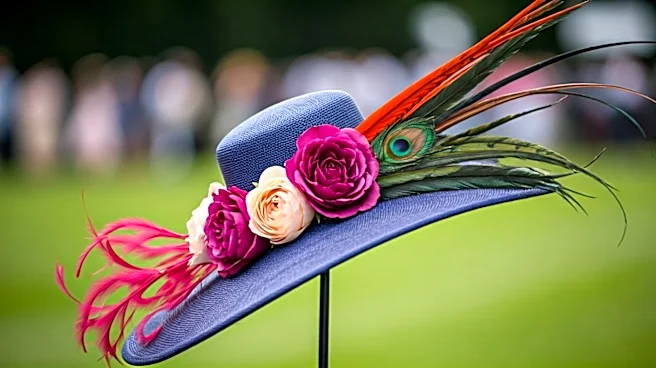
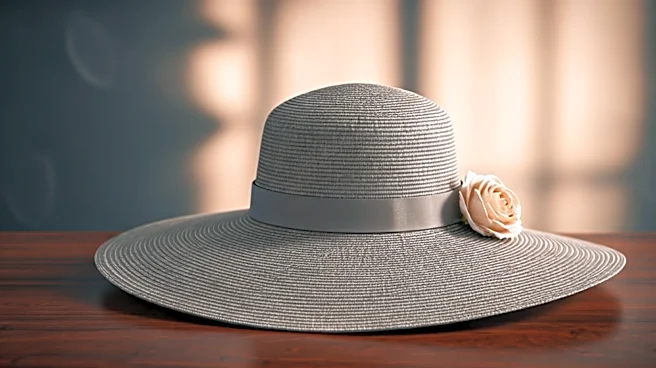
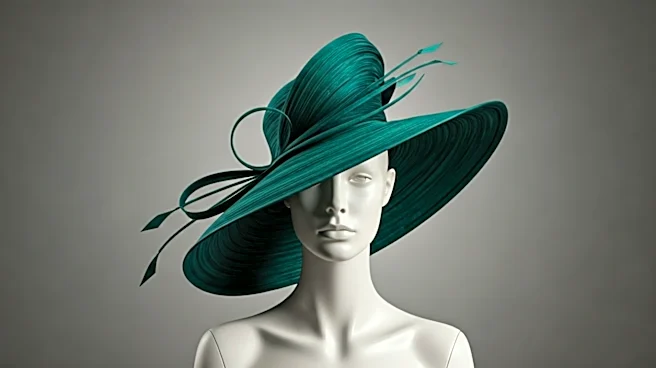
and impactful look, you must reverse the process. Start with the hat. Think of it this way: you don’t build a house and then decide where the foundation should go. The hat is your foundation and your blueprint. Whether it’s a wide-brimmed disc that casts dramatic shadows, a sculptural fascinator that soars skyward, or a delicate pillbox adorned with netting, its shape, color, and personality must dictate every other choice you make. Falling in love with a hat first gives your entire outfit a clear point of view and a story to tell. Everything else—the dress, the shoes, the bag—becomes part of the supporting cast.
Balance the Silhouette
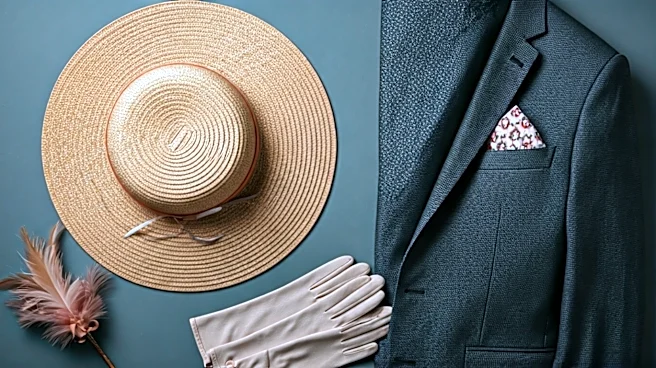
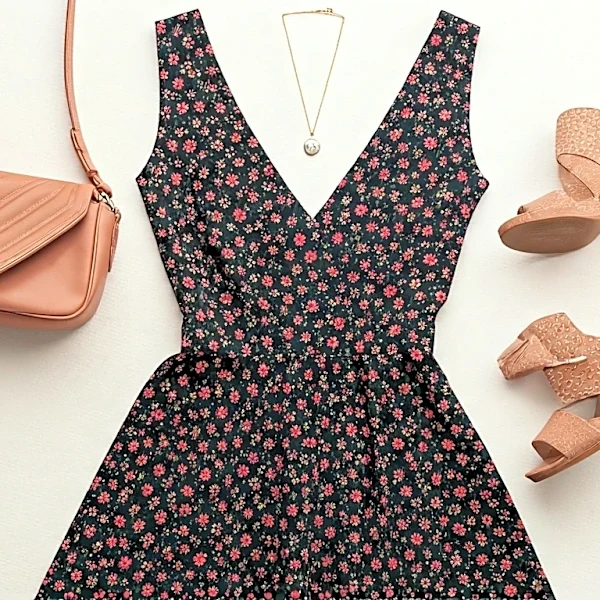
Once you have your statement hat, the next step is building the structure that supports it. This is all about proportion and balance. The silhouette of your hat must be in conversation with the silhouette of your dress. A large, dramatic, wide-brimmed hat, for example, often pairs beautifully with a sleek, form-fitting sheath or a simple A-line dress. The simplicity of the dress allows the hat to command full attention without the outfit feeling busy or overwrought. The sleek lines below balance the volume up top.
Conversely, a taller, more vertical headpiece—often called a “percher” or a sculptural fascinator—can work wonders to elongate the body. This style pairs well with outfits that have a bit more volume or movement in the skirt, like a fuller midi or a tailored jumpsuit with wide legs. The upward motion of the hat balances the width at the bottom, creating a harmonious and elegant line from head to toe. The goal is to avoid having two major architectural statements competing for dominance.
Deploy Color with Intention
Color is the element that unifies the architecture. The easiest route is monochromatic dressing, where your hat, dress, and even shoes are all in the same shade. It’s a timeless, impossibly chic choice that always looks polished. But a more architectural approach involves using color theory. If your hat is a bold jewel tone, like an emerald green, consider a dress in a complementary but softer shade, like a pale lilac or blush pink. The dress becomes a subtle canvas that makes the hat’s color vibrate.
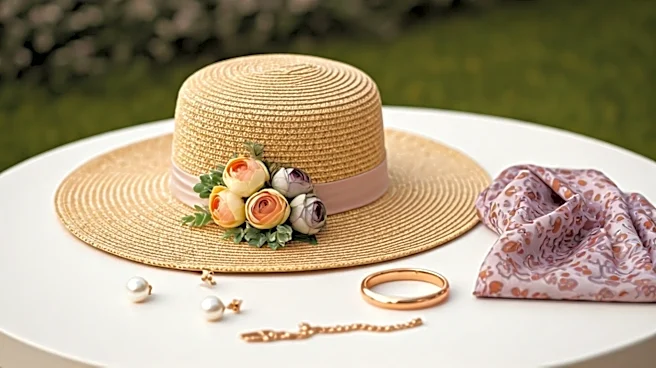
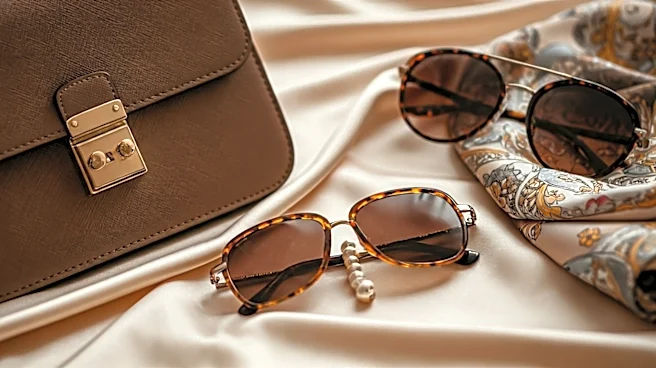
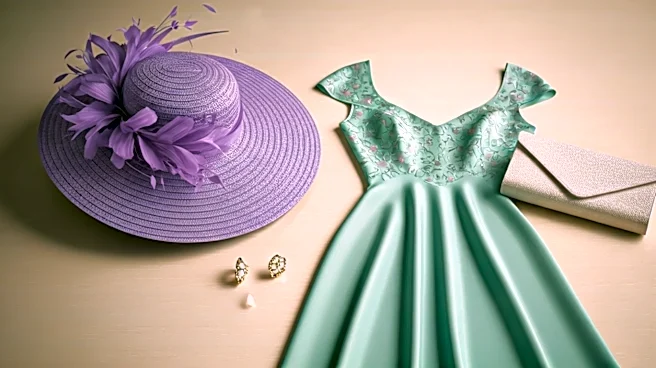
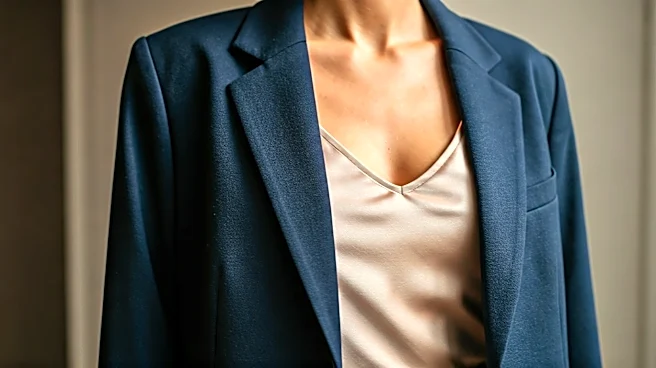
Another powerful technique is to use the hat to introduce a single, vibrant accent. Imagine a classic navy dress. It's elegant but safe. Now, top it with a hat in a shocking shade of coral or zesty lemon. Suddenly, the entire look has energy and personality. The key is to echo that accent color in a small, subtle way elsewhere—perhaps in a detail on your clutch or a piece of jewelry—to make the choice feel deliberate and integrated, not random.
Harmonize Textures and Materials
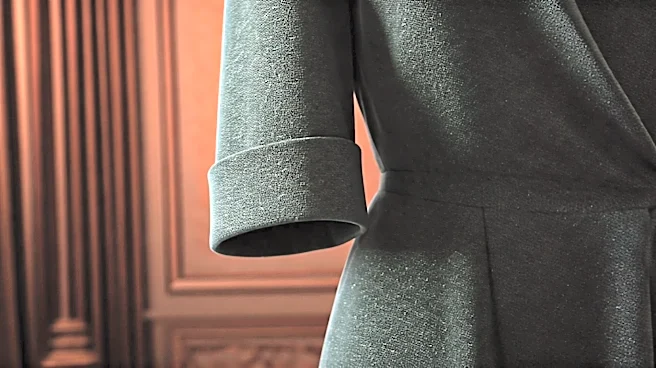
Great architecture isn't just about shape; it's about materials. The same is true for a great outfit. The texture of your hat provides cues for the rest of your look. A classic, fine straw hat, perfect for a sunny day, calls for fabrics like crisp cotton, linen, or broderie anglaise. These materials share a natural, daytime feel.
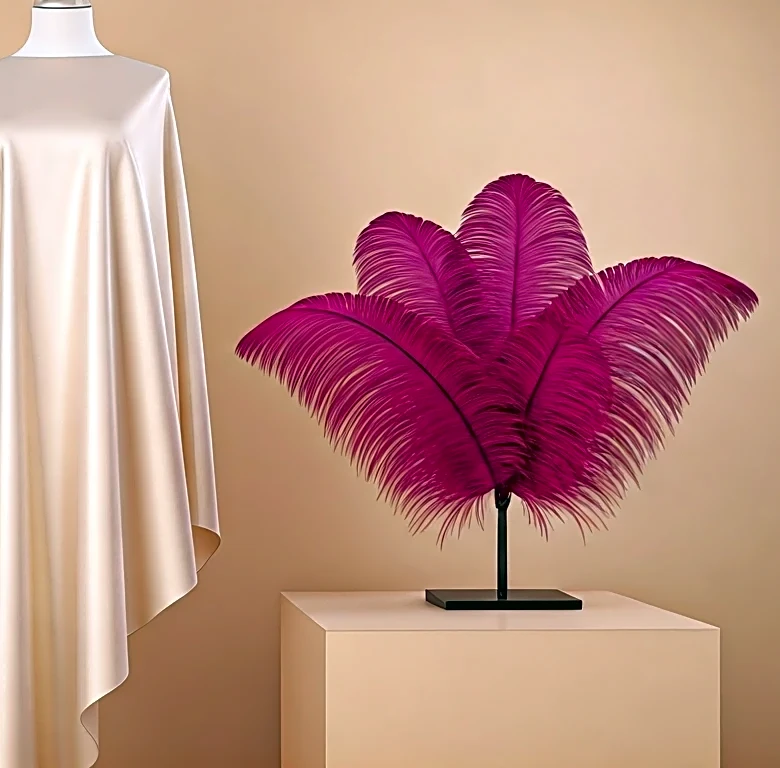
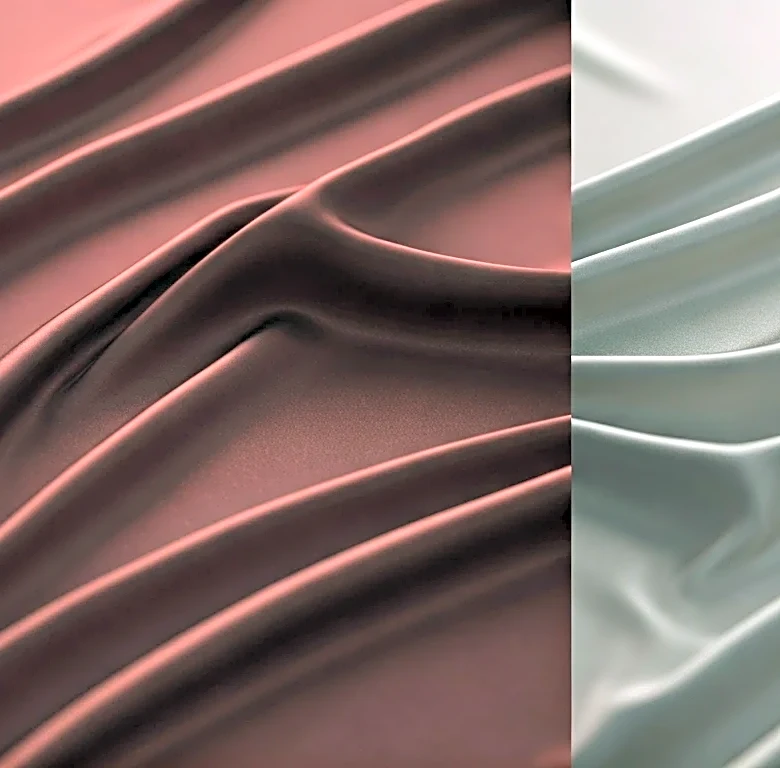
A hat made from sinamay or silk, perhaps adorned with feathers or silk flowers, has a more formal, luxurious feel. It pairs beautifully with materials that have a similar refinement, like silk crepe, satin, or delicate lace. Clashing textures can sometimes work for the fashionably brave, but a safer and more elegant strategy is to create a tactile harmony. Let the material of the headpiece guide the fabric choice for your dress, ensuring the entire ensemble feels like it belongs together.