



First, What Is a Fascinator?
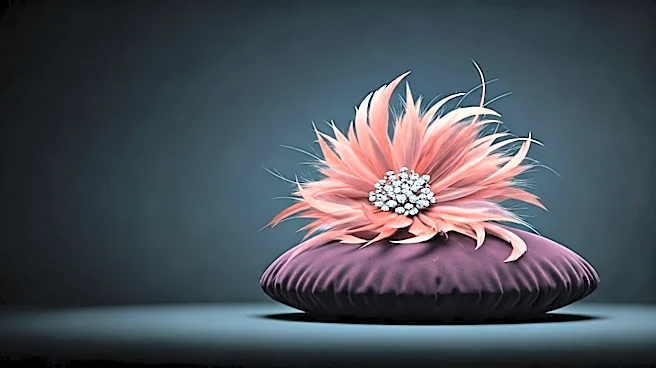
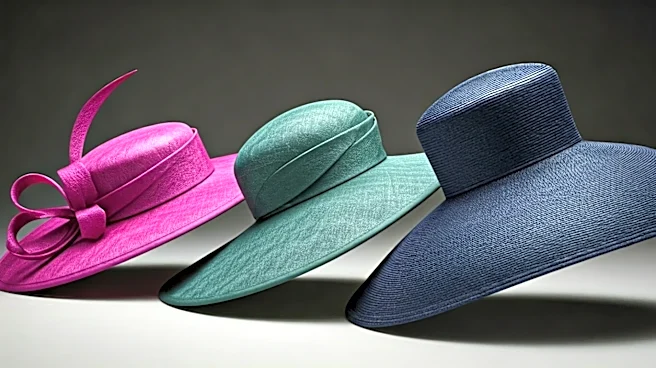
Before we dive into its dramatic evolution, let’s get our definitions straight. A fascinator is not, technically, a hat. The key difference is function and form. A hat has a brim and a crown and is designed to cover the head. A fascinator is a purely
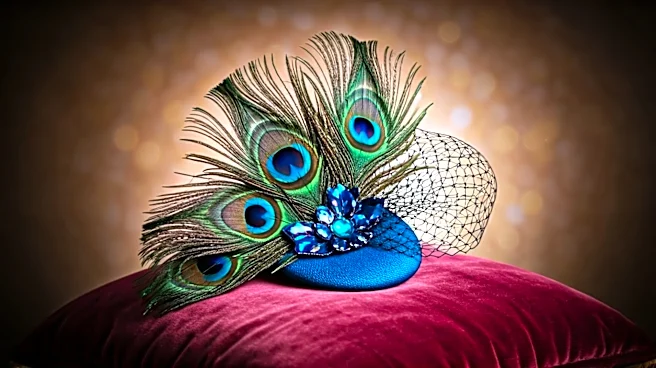
decorative headpiece, a sculptural flourish attached to the head via a clip, comb, or, most commonly, a headband. Think of it as jewelry for your hair. Its purpose isn’t to shield you from the sun; it’s to make a statement. It can be a delicate wisp of feathers and pearls or a gravity-defying explosion of silk flowers and coiled straw. If it’s more about ornament than coverage and sits jauntily on a band, you’re in fascinator territory.
A Head-Turning History
The fascinator’s spiritual ancestors were the towering, elaborate coiffures of 18th-century French society, most famously worn by Marie Antoinette. Her hair, often piled high with feathers, jewels, and even model ships, established the head as a canvas for extravagant self-expression. The term “fascinator” itself emerged in the late 19th century, referring to a lacy, lightweight shawl or head covering worn by women. But the modern fascinator—that small, perky, decorative piece—is a more recent revival. It fell out of favor for much of the 20th century, a victim of more practical and understated fashion trends. It wasn't until the 1990s, thanks to influential London-based milliners like Stephen Jones and Philip Treacy, that the fascinator made its triumphant return as a chic, contemporary alternative to the formal hat, popularized by its appearance at high-society weddings and events.
Enter the Royal Ascot Stage
No event is more intertwined with the fascinator's modern identity than Royal Ascot. The five-day horse racing meeting, founded by Queen Anne in 1711, is as much a fashion spectacle as it is a sporting event. For centuries, it has been a place to see and be seen, with a notoriously strict dress code that serves as a pillar of British high-society tradition. For attendees in the most exclusive areas, like the Royal Enclosure, headwear is not optional; it's mandatory. This rule transformed the racecourse into the world’s most important runway for millinery, creating a massive demand for headpieces that were both traditional and stylish. The fascinator, with its playful and modern feel, was a perfect fit for a younger generation looking to adhere to the rules while still showing personality.
The Rules That Redefined the Look
Here's where the "redefining" comes in. For a while, the fascinator reigned supreme at Ascot. But its popularity led to a design arms race, with some creations becoming so minuscule—a single feather on a clip—that officials felt they flouted the spirit of the dress code. In 2012, Royal Ascot took a stand. Organizers updated the Royal Enclosure style guide to ban fascinators outright. The new rule stipulated that all ladies must wear a hat or a headpiece with a “solid base of 4 inches (10cm) or more in diameter.” This single rule change had a seismic effect. It didn’t kill the fascinator; it forced it to evolve. Milliners responded with a new hybrid: the 'hatinator.' This creation sits on a headband like a fascinator but features a substantial base that meets the size requirement, often with dramatic upward-sweeping elements. Ascot didn’t just host the trend; it actively shaped its physical form.
A Modern Symbol of Creative Constraint
Today, the hatinator is a dominant force at Ascot. The event continues to refine its rules, but the core principle remains: tradition must be upheld. Yet within these rigid constraints, creativity flourishes. Designers and attendees treat the 10cm base not as a limitation, but as a foundation for breathtaking artistry. We see sculptural sinamay, 3D-printed designs, and floral arrangements that would make a botanist weep. The fascinator's journey at Royal Ascot is a perfect metaphor for the event itself: a constant negotiation between centuries-old tradition and modern self-expression. The headpiece has become a symbol of how to follow the rules while simultaneously standing out, proving that sometimes, the most creative works are born from the tightest of boxes.