





It’s a frustratingly common story: the perfect pair of jeans gets baggy at the knees, or a favorite fitted tee loses its sharp silhouette after just a few wears. The culprit isn’t just bad luck; it’s a technical quality called fabric recovery.
What is Fabric Recovery?
Fabric recovery
is a textile's ability to return to its original size and shape after being stretched. It’s the 'snap-back' quality that separates a garment that holds its form from one that sags over time. While we often focus on how much a fabric can stretch (its elasticity), recovery is arguably more important for the longevity and fit of a garment. High stretch with low recovery leads to clothes that bag out, especially in high-stress areas like knees, elbows, and the seat of pants. Industry experts consider a high recovery rate—often above 90-95% for performance wear—a key indicator of quality, ensuring a garment maintains its intended fit wear after wear.
The Fiber Factor: Not All Materials Are Equal
A fabric's ability to recover is determined primarily by its fiber content. Synthetic fibers are the champions of shape retention. Spandex, also known as elastane or by the brand name Lycra, is the gold standard; it can stretch to several times its original length and still snap back perfectly. That’s why even a small amount, from 1-2% in jeans to 20% in activewear, can dramatically improve a fabric's recovery. Polyester and nylon also have good recovery properties and are often blended with spandex for durability and moisture-wicking benefits in sportswear. On the other hand, many natural fibers struggle. Cotton, for instance, has very little natural memory, which is why 100% cotton jeans are notorious for stretching out. Wool is a notable exception among natural fibers, as its natural crimp gives it a spring-like quality and good resilience.
Knit vs. Woven: Structure's Role in Shape
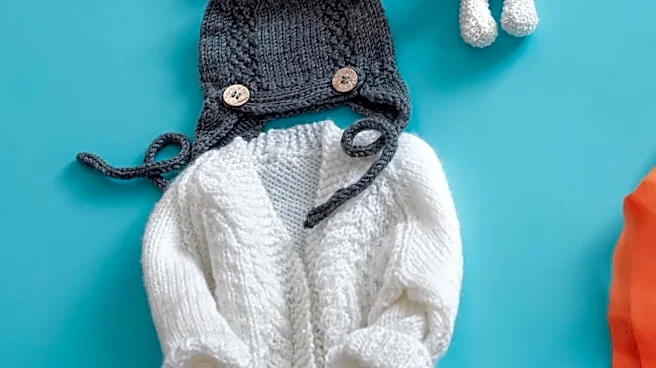
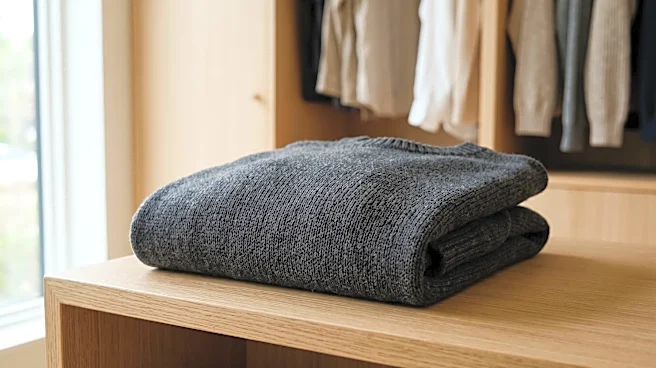
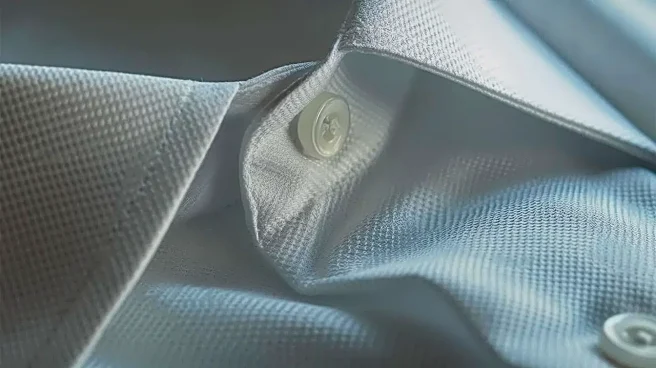
Beyond the fiber itself, the fabric's construction plays a huge part. Knitted fabrics, made of interlocking loops, have a natural, built-in stretch. Think of t-shirts, leggings, and sweaters. This structure makes them comfortable and flexible, but without the right fiber blend (like added spandex), they are prone to losing their shape. Woven fabrics are made on a loom with threads interlaced at right angles, creating a more stable, grid-like structure. Fabrics like denim, twill, and poplin are wovens. They have very little natural stretch unless an elastic fiber is woven into them. Their stability means they hold a crisp, tailored shape well, but can feel more restrictive without that added stretch element.
How to Spot Good Recovery When Shopping
You don't need to be a textile scientist to make smarter choices at the store. The first step is to check the tag. Look for a small percentage of spandex or elastane in the fiber content, especially for fitted garments like skinny jeans, leggings, or body hugging dresses. For activewear, a higher spandex blend with nylon or polyester is a sign of good performance. Next, perform a simple stretch test. Gently pull a section of the fabric for a few seconds and see how it responds when you let go. Does it snap back immediately and look unchanged? That indicates good recovery. If it remains slightly stretched, rippled, or looks distorted, it has poor recovery and is likely to bag out with wear. For body hugging styles, denser knits like ponte or scuba hold their shape exceptionally well compared to thin single layer jersey knits.