
The Thrill of the Exclusive
For one tribe of collectors, NYCC is a high-stakes game. The goal is to conquer the show floor, navigating a labyrinth of over 400 exhibitor booths to snag the year's most coveted exclusive merchandise.
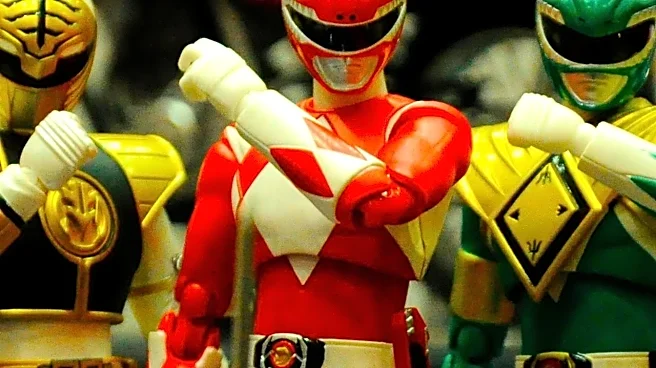
Think limited-edition Funko Pops, variant comic book covers with print runs of a few hundred, and figures that will never be sold outside the convention walls. This is collecting as a sport. It involves strategy—like entering the new randomized lotteries for a chance to buy—and a keen eye on the aftermarket. Many of these items are 'flipped' online before the convention even ends, their value skyrocketing based on scarcity and hype. The 'con sticker' itself becomes a mark of authenticity and a status symbol. This approach is driven by the thrill of the hunt and the potential for a significant return on investment in a collectibles market that has seen periods of explosive growth. For these collectors, the prize is owning something few others can, a tangible piece of the convention's economic ecosystem.
The Nostalgia Hunter's Quest
On the other side of the aisle, often found digging through long boxes of comics in Artist Alley, is a different kind of collector. This person isn't checking eBay prices on their phone. They're on a quest for something far more personal. Their 'grail' might be a beat-up issue of a comic that reminds them of their childhood, a piece of original art from a creator whose work got them through a tough time, or a quirky, unofficial pin that perfectly captures their favorite character's personality. This is collecting driven by passion and nostalgia. The value isn't monetary; it's emotional. Psychoanalysts suggest that collecting can be a way to connect with our past, create order in a chaotic world, or build an identity. For these fans, the joy comes from possession and personal connection, not from market valuation. The item becomes a 'mirror,' a way of seeing a piece of themselves reflected in their collection.
When Two Worlds Collide
The tension between these two philosophies is palpable on the show floor. The value-driven collector might see the passion-driven fan as naive, leaving money on the table. The passion collector, in turn, may view the speculator as a mercenary who artificially inflates prices and shuts out 'true fans' from obtaining items they genuinely love. The rise of professional grading services has formalized this divide. Encapsulating a comic in a plastic 'slab' with a numerical grade turns it from a piece of readable art into a tradable asset, not unlike a stock or bond. While this provides confidence and stability for high-end investors, it can feel sterile to those who remember when comics were meant to be read, shared, and loved to the point of getting creased. The comic market is now large enough to support both, with a booming trade in both high-grade, investment-worthy vintage books and a surging interest in new releases from publishers like DC and Image.
The Grail Is in the Eye of the Beholder
Ultimately, the debate between collecting for rarity and collecting for personal meaning is a false choice, because most collectors are a hybrid of both. The person who stood in line for a $65 foil variant cover might also spend an hour happily chatting with an indie artist about their webcomic. The desire for control and completion that drives a collection can apply just as easily to finishing a run of a beloved series as it can to acquiring every Funko Pop from a specific line. Whether you're chasing a $15 million copy of Action Comics #1 or a $5 print that makes you smile, the underlying motivation is the same: to find and possess something that brings you joy. The 'right' way to collect doesn't exist. The real value is in the story you can tell about why an item matters to you, whether that story is about a thrilling financial flip or a quiet, nostalgic discovery in a crowded hall.