

The Great September Pile-Up
Even in an era of year-round streaming drops, September holds a special, slightly chaotic place in the television calendar. It’s a tradition rooted in the old broadcast network model, a time when new cars were advertised and families settled back into
school-year routines. Decades later, that rhythm persists. Major networks still unleash their biggest returning shows and buzziest new series in the fall, creating a concentrated blast of popular culture. Streamers, not wanting to be left out, now counter-program with their own high-profile launches. The result is a content traffic jam, where dozens of significant shows debut within weeks of each other, all competing for the same oxygen in the cultural conversation.
The Watch-Time War: Binge vs. Weekly
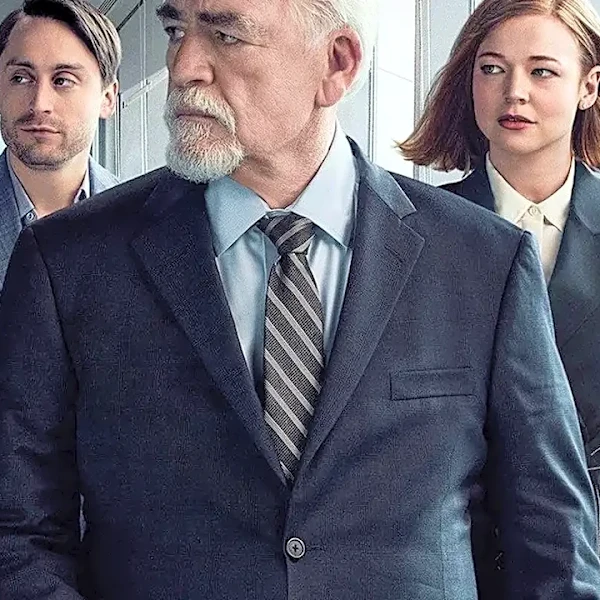
The single biggest driver of spoiler anxiety is the fractured way we now watch television. The battlefield is drawn between two opposing armies: the weekly-watchers and the all-at-once bingers. A network or cable show that airs weekly, like HBO’s hits, fosters a week-long cycle of discussion and speculation. The entire audience is roughly on the same page. But when a streaming service drops an entire season at once, that shared timeline shatters. Some viewers will devour all ten episodes by sunrise, eager to discuss the shocking finale. Others will savor it over weeks. This creates an impossible environment. For those who binged, waiting to discuss the ending feels like an eternity; for those watching slowly, the internet is immediately hostile territory filled with plot-point landmines.
The Algorithm Isn't Your Friend
Social media platforms are not neutral ground; they are engagement-maximization engines. Algorithms on X (formerly Twitter), TikTok, and Instagram are designed to show you what’s generating the most heat, and nothing generates heat like a shocking plot twist. A character's sudden death or a surprise villain reveal is pure engagement gold, rocketing to the top of trending topics. These platforms reward immediacy and reaction. The system isn’t built to protect your viewing experience; it’s built to capitalize on the emotional energy of the conversation as it happens. Muting keywords can help, but it's an imperfect shield. Often, a spoiler gets through not via a hashtag, but in a viral meme or a screenshot with a vague but revealing caption.
When Spoilers Become Social Currency
In the hyper-connected digital world, being the first to know—and the first to post—has become a form of social currency. It’s not always about maliciously ruining a show for others. Sometimes, it’s about participating in the cultural moment in real time. For some, the thrill is in the shared experience of the immediate reaction. Psychologically, sharing a spoiler can be a way of managing one's own emotional response or demonstrating in-group knowledge. However, this often puts them in direct conflict with spoiler-avoiders, who seek the emotional transportation of a story unfolding as the creator intended. This tension is the core of the modern spoiler debate: one person’s exciting participation is another person’s ruined surprise. The sheer volume of September premieres only amplifies this conflict, turning what used to be a weekly watercooler chat into a 24/7 global free-for-all.