





The Nostalgia Time Machine
The most powerful ingredient is nostalgia. Music is one of the most effective triggers for what scientists call music-evoked nostalgia. Unlike simply remembering a fact, hearing a familiar theme song can transport you back in time, allowing you to almost
relive the feelings you had when you first watched that show or movie. Your brain's auditory cortex, memory centers like the hippocampus, and emotion processors like the amygdala all fire up at once. This isn't just a recollection; it's a full-body emotional experience. That song isn't just a song—it’s the memory of rushing home after school, of Saturday mornings with cartoons, or of a weekly ritual with family and friends, all condensed into 60 seconds of music. This process reinforces the memories, making them more vivid each time you hear the tune.
A Pavlovian Power Chord
There’s a bit of classical conditioning at play, too. Think of Pavlov's dogs, who were trained to associate the sound of a bell with food. For us, a theme song is the bell. Over dozens or even hundreds of episodes, our brains forged a powerful link between that specific melody and the feelings the show gave us—excitement, comfort, laughter, or suspense. The theme song became a reliable audio cue that something good was about to happen. Years later, when you hear that song out of context at a convention or festival, your brain doesn't wait to figure out why. It instantly serves up the associated positive emotions you were conditioned to feel. It’s an automatic, almost involuntary hit of joy.
A Chorus of Community
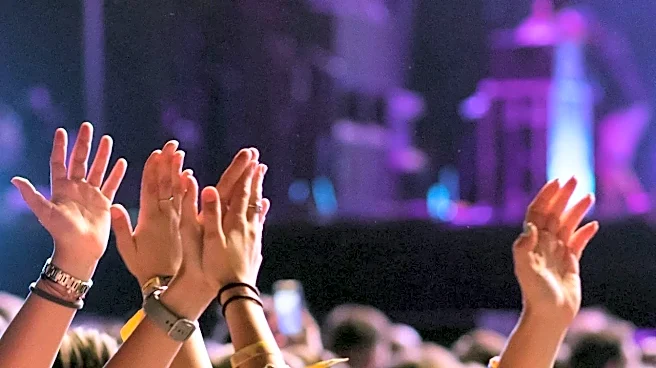
While the internal reaction is powerful, the “loudest reaction of the weekend” is a social phenomenon. Sociologists call this feeling of shared, ecstatic joy “collective effervescence.” When that theme song plays, it does more than trigger individual nostalgia; it confirms a shared identity. In that moment, everyone in the room is part of the same tribe. You all get the reference, you all have the memories, and you all feel that same Pavlovian rush. The roar of the crowd is an expression of that unity. It’s a spontaneous celebration of a shared cultural touchstone, fostering a powerful sense of social connection and belonging. It turns a room full of strangers into a temporary community, bonded by a piece of music.
The Search for Meaning and Comfort
Research has shown that music-evoked nostalgia can increase feelings of self-esteem, optimism, and even meaning in life. It provides a sense of self-continuity, connecting our past selves with who we are today. In uncertain or stressful times, these musical callbacks can act as a psychological buffer, providing comfort and a reminder of simpler, happier moments. When a crowd cheers for the opening notes of the X-Men animated series theme or the soaring score from Jurassic Park, they aren't just cheering for a piece of music. They're cheering for the joyful memories, the comfort those stories provided, and the simple, powerful act of sharing that feeling with hundreds of other people who feel the exact same way.