


The Detail Hiding in Plain Sight
The secret lies on the back of the shirt, right across the shoulders. This panel of fabric is called the yoke. On most mass-market shirts, it’s a single, solid piece of fabric. But on a high-quality shirt, you’ll often find a split yoke. This means the yoke is constructed
from two separate pieces of fabric, joined by a seam that runs down the center of your back. It’s a subtle distinction, but it’s a hallmark of superior construction that takes more time, skill, and fabric to produce.
Why a Seam Signals Superiority
So, why does a simple seam matter so much? It comes down to fit and craftsmanship. A split yoke allows a tailor to angle the two fabric panels to better follow the natural slope of your shoulders. This creates a more comfortable fit with a greater range of motion, especially for men who find off-the-rack shirts often pull or feel tight across the upper back. Furthermore, cutting the fabric on a bias (diagonally) for a split yoke introduces a slight, natural stretch, adding to the shirt's comfort. When you see a striped or patterned shirt where the lines meet perfectly in a 'V' at the yoke's center seam, you are looking at a clear sign of meticulous, high-end construction.
How to Spot a Split Yoke
Identifying a split yoke is easy once you know what to look for. Simply turn the shirt around and examine the area just below the collar. If you see a vertical seam running from the collar down the middle of the shoulder panel, that’s a split yoke. A standard, or one-piece, yoke will be a continuous piece of fabric with no central seam. While the absence of a split yoke doesn’t automatically mean a shirt is bad, its presence is an immediate and reliable signal that the manufacturer didn't cut corners and invested in a better-fitting, more durable garment.
Three Other Quick Quality Checks
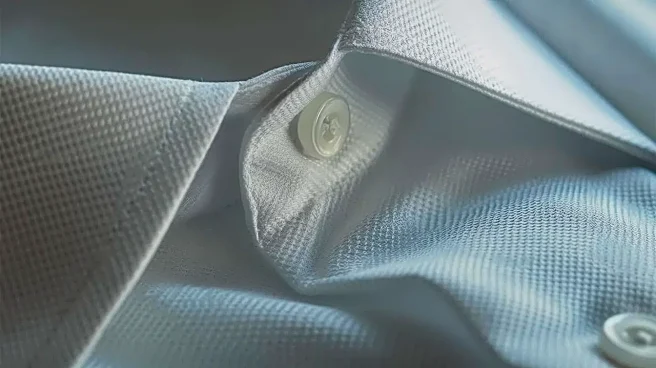
Now that you're an expert on yokes, here are three other subtle details to look for. First, check the side seams. The best shirts use single-needle stitching, which shows only one clean line of thread on the outside and is stronger and less prone to puckering than the more common double-needle seam. Second, look for a small, triangular piece of fabric, called a gusset, reinforcing the spot where the side seams meet the bottom hem. This adds durability to a high-stress area. Finally, examine the buttons. High-quality shirts often use shanked buttons, which are slightly raised from the fabric, allowing the buttonhole to lie flat without pinching and creating a cleaner look.