






The Exorcist (1973)
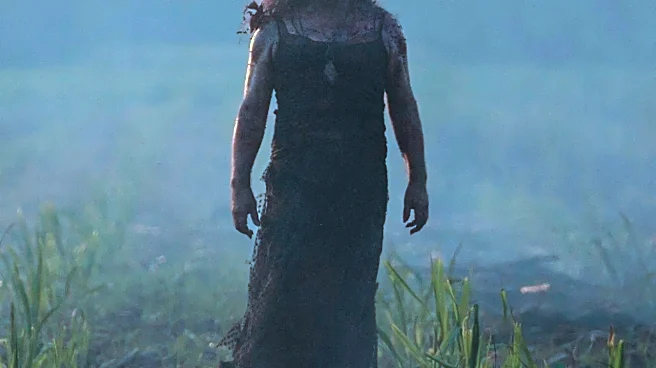
Let's start with the undisputed champion of possession horror. More than just a scary movie, 'The Exorcist' is a cultural phenomenon that had people fainting in theaters. A rewatch today reveals it's not just about the shocking spectacle of a possessed
child; it's a slow-burn story of faith, doubt, and a mother's desperation. Director William Friedkin masterfully builds a sense of realism around an impossible event, making the demonic takeover of Regan MacNeil feel disturbingly plausible. Pay attention to the quiet, unsettling moments before all hell breaks loose—the subtle sounds in the attic, the strange medical tests. It’s a film that works on a much deeper level than many of the possession movies it inspired.
The Conjuring (2013)
James Wan proved he was a modern master of horror with this instant classic that launched a cinematic universe. Based on a case from real-life paranormal investigators Ed and Lorraine Warren, the film follows the Perron family as they move into a secluded farmhouse with a dark history. 'The Conjuring' is a masterclass in building tension. It earns its scares the old-fashioned way, using unsettling silences, masterful camera work, and an overwhelming sense of dread rather than relying solely on jump scares. The infamous "hide and clap" scene remains an all-time great scare, a perfect blend of suspense and payoff that will get you even on a second or third viewing.
Hereditary (2018)
Less of a ghost story and more of a family tragedy that spirals into supernatural terror, 'Hereditary' is an emotionally devastating experience. On first viewing, the sheer shock of the plot's twists and turns is overwhelming. A rewatch allows you to appreciate the intricate web director Ari Aster weaves from the very first frame. The title itself is a clue: the film is about inherited trauma, mental illness, and a sinister fate that has been passed down through generations. Notice the background details in Annie's dioramas and the subtle presence of the cult that is manipulating events long before the family realizes what's happening. It’s a film that burrows into your subconscious and leaves you shaken.
Sinister (2012)
Scientifically proven to be one of the scariest movies ever made based on audience heart rates, 'Sinister' is pure, unfiltered dread. Ethan Hawke stars as a true-crime writer who discovers a box of Super 8 home movies in his new house, each one depicting a gruesome family murder. The film's power lies in these found-footage segments; they are presented with a chilling clarity and often in unsettling silence, forcing you to be an active witness to the horror. The eerie soundtrack and the terrifying figure of the pagan deity "Bughuul" create an atmosphere of relentless tension. It’s a bleak and deeply unsettling film that proves the greatest scares come from what you can see, not just what you can imagine.
The Ring (2002)
The film that launched a wave of American remakes of Japanese horror, 'The Ring' remains a masterwork of atmospheric dread. It’s more than just a movie about a cursed videotape; it’s a beautifully shot detective story wrapped in a ghost story. Director Gore Verbinski drenches the film in a signature blue-green filter, creating a melancholic and water-logged world that feels perpetually haunted. The film teaches you how tone can create terror, building a sense of lingering fear that stays with you long after the credits roll. On rewatch, the visual clues and recurring circle motifs become more apparent, deepening the mystery of Samara and her tragic, vengeful existence.
The Others (2001)
A perfect example of a gothic ghost story, 'The Others' is a quiet, elegant horror film that relies on atmosphere and psychological tension. Nicole Kidman gives a stunning performance as Grace, a devoutly religious mother living in a remote mansion on the island of Jersey in 1945, protecting her two photosensitive children from the outside world. When new servants arrive, a series of strange events begins to unravel Grace's tightly-controlled reality. The film's genius lies in its commitment to its own rules and the slow, creeping sense that something is fundamentally wrong. Knowing the famous twist ending makes a rewatch even more rewarding, allowing you to catch all the subtle hints and double meanings you missed the first time around.