





The Fear That Drives Every Movie
At its heart, the Toy Story saga has never really been about the adventures themselves. The daring rescues and elaborate escape plans are just the vehicle for a single, profound, and deeply human fear: being replaced. In the first film, Woody, the top
toy, is existentially threatened by a shiny new Buzz Lightyear. In the second, Jessie is haunted by the trauma of being forgotten by her owner, Emily, who simply grew up. The third film confronts the ultimate obsolescence—Andy leaving for college—and the terrifying prospect of the attic or, worse, the dump. Even the fourth installment sees Woody grapple with his purpose after being relegated to the closet by Bonnie. The central conflict has always been a toy’s desperate need to be played with, to be essential to a child’s happiness. Their entire world is built around this purpose. The greatest villain isn’t Emperor Zurg or Lots-o'-Huggin' Bear; it’s the quiet, inevitable threat of a child’s changing affections. Pixar’s genius was making us feel this anxiety as acutely as the characters do.
Enter the Ultimate Replacement
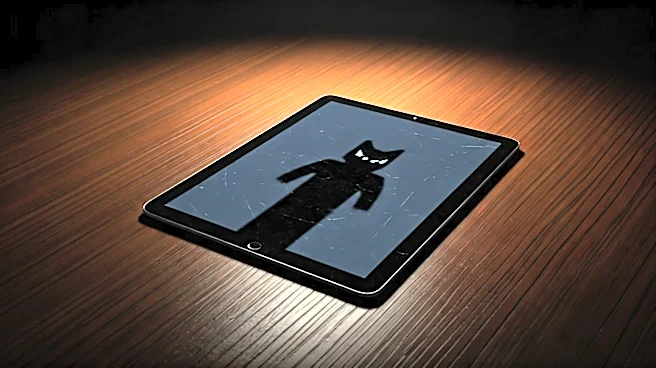
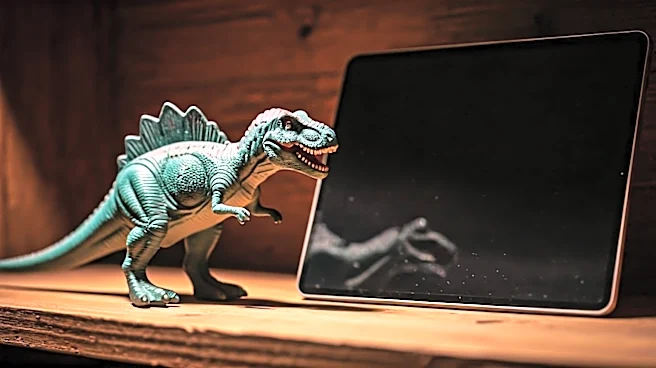
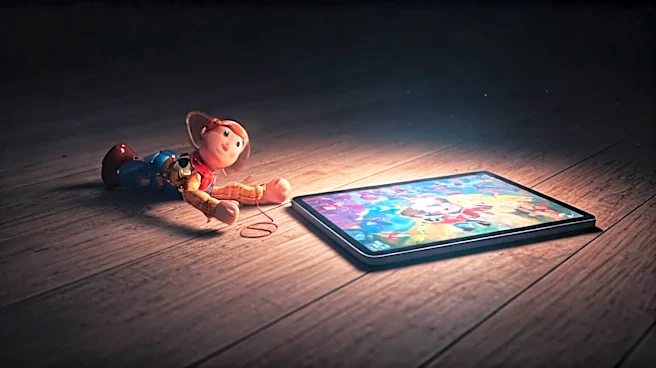
When the first Toy Story premiered in 1995, a toy’s main competition was another toy. But today’s kids live in a fundamentally different world. The tablet in your bag—or the smartphone you use to calm a fussy toddler in the grocery store—isn’t just another Buzz Lightyear. It’s a super-stimulus that replaces the very concept of traditional play that the franchise is built on. A tablet offers endless videos, countless games, and a constant stream of passive entertainment. It doesn’t require a child to invent a voice, create a scenario, or physically engage their imagination in the same way a plastic cowboy or a set of blocks does. It is, in the starkest terms, the ultimate replacement toy. It’s a quiet, self-contained universe that leaves the toy box gathering dust. For Woody, Buzz, and the rest of the gang, a device loaded with YouTube Kids and Minecraft is an extinction-level event. It doesn’t just replace one toy; it threatens to replace them all.
The Guilt Is a Feature, Not a Bug
This is where the guilt comes in. Many of us who grew up with Toy Story are now parents ourselves. We’ve been conditioned by these films to see our children’s playthings not as inanimate objects, but as loyal companions with feelings and fears. We watched Jessie’s heartbreaking ballad, “When She Loved Me,” and felt the sting of her abandonment. We saw the panic in the toys’ eyes as they slid toward the incinerator in Toy Story 3. Pixar’s masterful storytelling weaponized our empathy. So when we hand our child a tablet to get through a long car ride or a restaurant meal, a small part of our brain, conditioned by years of these films, registers it as a betrayal. We are, in that moment, Emily packing her toys away. We are enabling the very thing our on-screen heroes have spent four movies fighting against. That pang of guilt you feel isn't an overreaction; it's the direct result of Pixar succeeding brilliantly at its job. The movies taught us to care, and now we live in a world that makes caring complicated.
What Can 'Toy Story 5' Even Do?
This presents a fascinating challenge for Toy Story 5. Pixar’s Chief Creative Officer, Pete Docter, has said that the studio’s sequels only get made if there's a truly compelling new story to tell—something that surprises the audience and feels necessary. So, does the fifth film ignore the elephant in the room and pretend kids still play like it’s 1995? Or does it confront the screen-time era head-on? Imagine a plot where the toys must find a way to compete with a tablet for their child’s attention. Or a more poignant story where they have to accept a world where they are no longer the primary source of imaginative play. Can Woody and Buzz convince a child to put down a screen and pick them up instead? The thematic ground is incredibly fertile, but it’s also fraught with peril. A heavy-handed “screens are bad” message would feel preachy and out of touch. But ignoring the biggest shift in childhood in a generation would feel like a fantasy. The film’s greatest challenge may be finding a way to navigate this modern reality without losing the magic that made us fall in love with these toys in the first place.