



The Rise of ‘Quiet’ Sparkle
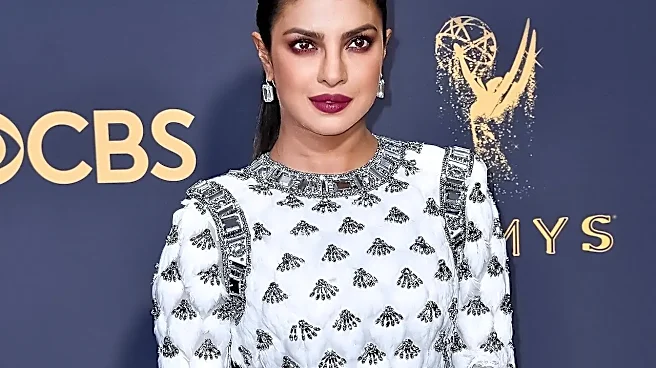
For many Gen Z and Millennial stars, the red carpet philosophy is often ‘less is more.’ Think of a single, striking earring, a whisper-thin chain, or a few stacked, delicate rings. This isn't about a lack of access to major jewels; it's a conscious style
choice. This generation grew up in a digital-first world, where a clean, impactful image performs best on social media. A single statement piece that pops in a photo is often more effective than a full suite of jewels that can look busy on a small screen. Furthermore, this aesthetic is tied to broader cultural shifts. Younger consumers often value personalization and self-expression over traditional displays of wealth. For them, jewelry is less about showing status and more about reflecting identity, which can mean wearing a piece from a small, sustainable brand instead of a massive diamond from a heritage house.
The Legacy of ‘More is More’
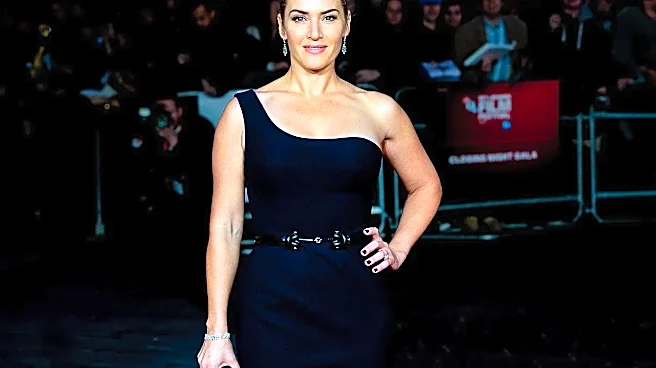
Contrast that with the Baby Boomer and Gen X approach that dominated premieres for decades. For stars who came up in the ‘80s and ‘90s, glamour was often synonymous with maximalism. Think big, bold, and coordinated sets—a matching necklace, earring, and bracelet combination known as a parure. This was the era of unapologetic opulence, where the fantasy of the red carpet involved glittering jewels with staggering price tags. The cultural context was different; it was about aspiration and spectacle in a pre-internet media landscape. Magazines and television broadcasts celebrated this larger-than-life approach to luxury. It wasn't just about accessorizing an outfit; it was about making an unforgettable statement of success and arrival in Hollywood.
It’s Not Just Age, It’s Values
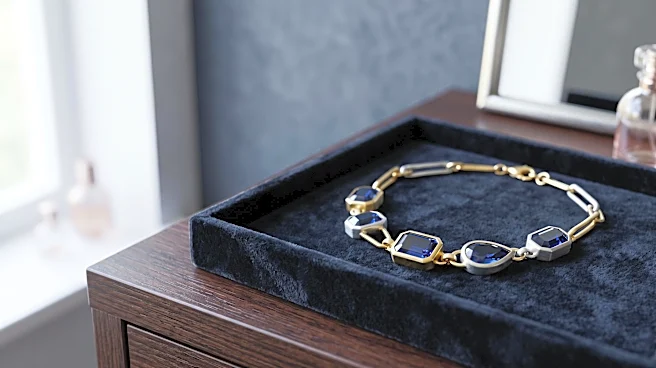
The disagreement over jewelry isn't simply about taste—it's a reflection of differing values shaped by the world each generation inherited. Millennials and Gen Z are more likely to prioritize ethical sourcing and sustainability, showing interest in lab-grown diamonds or recycled metals. They treat jewelry as an extension of their personal style and beliefs. For many, the idea of wearing millions of dollars in gems feels out of step with their social consciousness. This has led to a rise in what’s called “demi-fine” jewelry—pieces that bridge the gap between cheap costume jewelry and high-end fine jewelry, allowing for trendy but quality accessorizing. Conversely, for older generations, fine jewelry was often viewed as a long-term investment and a family heirloom, justifying the significant expense.
The Blurring Lines of Bling
Of course, these aren't hard-and-fast rules. Style is personal, and the lines are constantly blurring. Some of the most interesting red carpet moments happen when these generational trends cross over. You'll see younger stars like Zendaya or Timothée Chalamet embracing bold, vintage-inspired maximalism, wearing archival pieces that tell a story. Meanwhile, icons like Helen Mirren have mastered the art of layering delicate, modern pieces. Ultimately, the role of the celebrity stylist has become crucial in navigating these choices. They help talent decide whether to go for a single, sculptural piece or a full suite of diamonds, creating a narrative with the jewelry itself. This tension between minimalism and maximalism is what keeps red carpet fashion dynamic and exciting to watch.