





An Investment, Not an Expense
Let’s get this out of the way: a good overcoat is not cheap. But framing it as an 'expense' is the first mistake. Think of it like a quality watch or a durable pair of leather boots. This is an investment in your personal presentation. A well-chosen overcoat has
a functional job—keeping you warm—but its real power lies in its ability to instantly elevate everything you’re wearing underneath, whether it’s a tailored suit or just a simple sweater and jeans. Unlike a trendy jacket that feels dated in a year, a classic overcoat is designed to last a decade or more. When you calculate the cost-per-wear over that lifespan, the 'expensive' coat suddenly looks like one of the most economical pieces you can own. It communicates professionalism, maturity, and an understanding of timeless style that no fleeting fashion item can match.
The Three Pillars: Fit, Fabric, and Function
Getting the coat right comes down to three things. First, fit. The single most important rule is that the shoulders must fit perfectly. The seam should sit right at the edge of your shoulder bone. If the shoulders are too wide, you’ll look like a kid in your dad’s coat; too narrow, and you’ll look constricted. The coat should be roomy enough to comfortably layer over your thickest typical outfit (like a suit jacket or a chunky knit sweater), but not so big that it looks like a tent. Second, fabric. The workhorse material is wool. It’s warm, durable, and drapes beautifully. A wool-cashmere blend adds a touch of softness and luxury, but 100% cashmere, while incredibly soft, is less durable and requires more care. Avoid cheap synthetics like pure polyester, which don’t breathe and won’t provide real warmth. Third, function. Be honest about your life. Are you a city commuter who needs maximum warmth and coverage? Or do you mostly drive and need something easier to wear in a car? Your lifestyle will dictate the ideal length and weight of your coat.
Decoding the Classic Styles
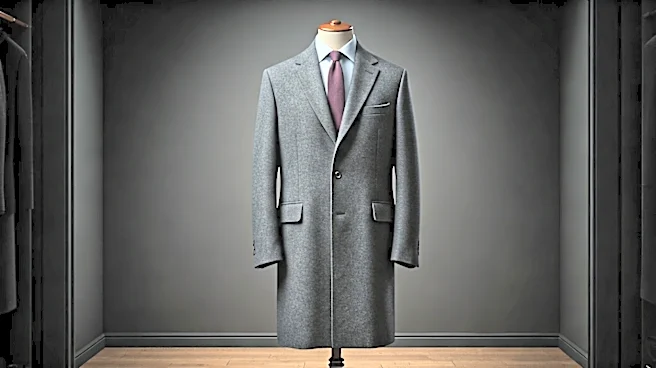
You don't need to know every historical variation, but understanding a few key styles will help you find what works for you. The Chesterfield is the quintessential business overcoat: single-breasted with notch lapels, typically in navy, charcoal, or camel. It's clean, classic, and versatile enough to wear over a suit or with smart-casual clothes. For something with more of a military bearing, consider a double-breasted style like the Peacoat or the Ulster. A Peacoat is traditionally shorter and more casual, great for weekend wear. The Ulster is its longer, more dramatic cousin, with a signature collar and a powerful silhouette. Finally, there's the Balmacaan or raglan-sleeve coat, which has a softer, more sloped shoulder line, giving it a relaxed and slightly more contemporary feel. Start by trying on a simple, single-breasted model and go from there.
The Search is Part of the Reward
You probably won't find the perfect overcoat in an afternoon. This isn’t an impulse buy at a fast-fashion chain. Give yourself time. Visit different stores, from department store staples to specialty menswear shops. Feel the different fabrics and pay attention to construction details like the lining and buttons. Try on different sizes and styles, even ones you don't think you’ll like. Take pictures in the mirror to see how the proportions work. This process isn’t a chore; it’s an education. By the time you make your choice, you’ll have a much deeper appreciation for what makes a garment truly great. You’re not just buying a piece of clothing; you’re choosing a long-term companion that will protect you from the elements and project confidence for years to come.