



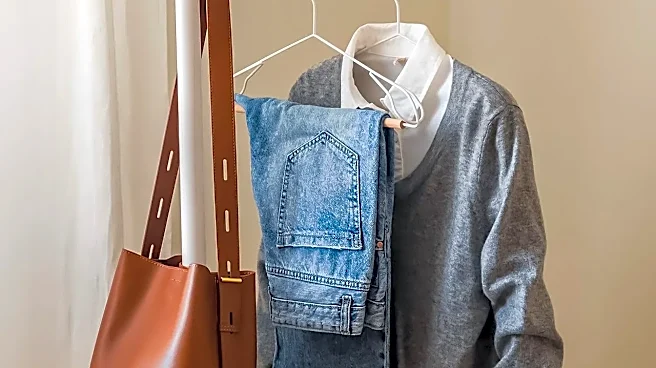

Why Go Digging in the First Place?
Let’s be honest, the 'back of the closet' is a sartorial graveyard. It’s where trends go to die, where 'aspirational' sizes mock us, and where that-shirt-I-bought-on-vacation-that-looked-great-in-the-moment now gathers dust. But it’s also a treasure chest.
The goal of this challenge isn’t deprivation; it’s rediscovery. It’s a chance to save money, yes, but more importantly, it's an exercise in creativity and sustainability. By forcing yourself to work with what you already have, you break the cycle of impulse shopping, see your existing wardrobe with fresh eyes, and learn what you truly love to wear versus what you simply own. Think of it as a free, one-week masterclass in your own personal style.
The Rules of Engagement
The rules are simple and flexible, designed to make this fun, not frustrating. For seven days, every outfit must be built around at least one major item (a top, pants, dress, or jacket) that you haven't worn in at least a year. Undergarments and basic essentials are exempt, of course. Before you start, do a quick audit. Pull out all those forgotten pieces. If something is stained beyond repair, doesn't fit, or makes you cringe, don't force it. The point is to find hidden gems, not punish yourself. You're allowed to feel good in your clothes. Consider taking a quick photo of your creation each day to track your progress and remember the combinations that work.
Days 1-3: The Awkward First Dates
The first few days can feel strange. You'll pull out a blouse and remember exactly why you stopped wearing it—the fabric is weird, the fit is slightly off. You might find a pair of pants from a previous 'style era' and wonder what you were thinking. This is normal. The key is to treat it like a puzzle. Don't just wear the old item; restyle it for who you are today. That slightly-too-big sweater might look great cinched with a belt. That old band t-shirt could be perfect under a sharp blazer. The goal isn't to perfectly replicate a past self, but to integrate forgotten pieces into your current look. Play with layers, accessories, and different pairings to make them feel new.
Days 4-5: Finding a Creative Rhythm
By the middle of the week, a shift happens. The initial limitations start to feel less like a constraint and more like a creative prompt. You’ll start 'shopping your closet' with a different eye, spotting new combinations you’d previously overlooked. That dress you only ever wore with heels? Try it with sneakers. That formal-looking skirt? Pair it with a casual t-shirt. This is where the magic lies—in breaking your own style rules. You’ll realize that many items are far more versatile than you gave them credit for. It takes more creative energy to build an outfit from existing pieces than to buy something new, and that effort is what builds your style muscles.
Days 6-7: The Unexpected Revelations
As the week concludes, you’ll likely have a few key takeaways. First, you'll have a much clearer sense of what's actually in your wardrobe. Second, you’ll have a handful of brand-new outfits that didn't cost a dime. But the biggest revelation is often psychological. You'll identify the true gaps in your wardrobe versus the perceived ones driven by boredom. You'll also have a pile of clothes that you've confirmed you will never wear again. Now, you can donate, sell, or recycle them with confidence, knowing they have no place in your life. This challenge isn't just a closet declutter; it’s a mental one, freeing you from the vague guilt of an overstuffed, underutilized wardrobe.