





4. The Cyclops: Brute Force Terror
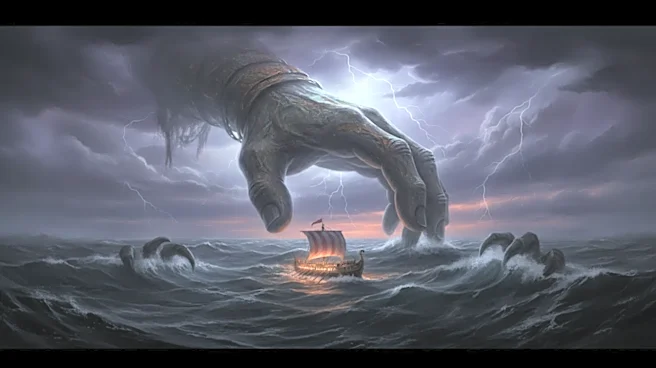
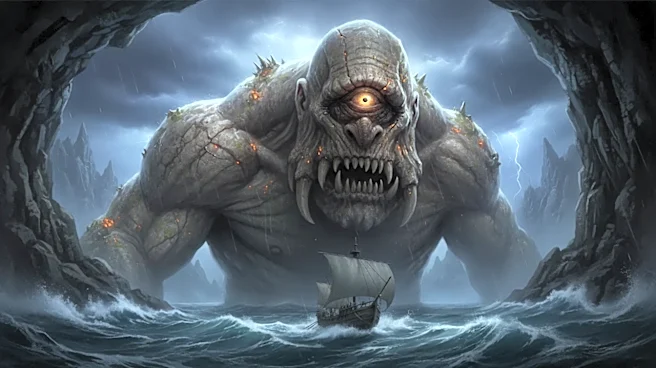
Let’s start with the classic big guy, Polyphemus. In the Odyssey, he's a hulking, one-eyed giant who traps Odysseus and his men in a cave, casually eating them two at a time like they're potato chips. His terror is primal and straightforward: immense,
uncivilized strength and a complete disregard for the rules of hospitality. In real life, the Cyclops isn’t a subtle threat. He’s the monster you can see coming. The horror here is one of pure, unadulterated powerlessness. Imagine a creature with the strength to peel a car open, living in a national park and snacking on hikers. There's no reasoning with him, no appealing to a higher authority—just a force of nature that views you as food. While terrifying, his lack of subtlety is also his weakness. He can be outsmarted, as Odysseus proved by getting him drunk and blinding him. In a world of surveillance drones and special forces, a single, lumbering giant is a problem with a foreseeable, albeit messy, solution. Terrifying, yes, but manageable.
3. The Laestrygonians: Systemic, Organized Horror
The Laestrygonians take the Cyclops’s raw physical threat and scale it up to a societal level. They aren't just one lone giant; they're an entire civilization of them. When Odysseus’s fleet pulls into their harbor, they don’t just find one monster, they find a city of them. The giants don't just attack—they launch a coordinated assault, shattering eleven of the twelve ships with massive boulders before spearing the sailors like fish. This is what makes them more terrifying than a single monster. The horror of the Laestrygonians is the horror of a system built to destroy you. It's not a random encounter; it's walking into a place where the entire infrastructure—the cliffs, the harbor, the people—is weaponized against you. In modern terms, this isn't a mugging; it's a failed state or a corporate town where the company pollutes the water and owns the government. The fear isn't just that you’ll be eaten, but that an entire society has calmly and efficiently decided you are its lunch.
2. The Sirens: Psychological Warfare
Here’s where the fear gets cerebral. The Sirens don't use force. They don't have claws or giant teeth. They just sing. And their song is so beautiful, so alluring, that it compels sailors to steer their ships into the rocks to their deaths. The shore around their island is littered with the bones of those who couldn't resist. In the modern world, the Sirens are the ultimate embodiment of psychological terror. They represent a weaponized form of temptation and information. Imagine a song, a meme, or a political ideology so perfectly tailored to your deepest desires and fears that it overrides your every rational instinct. You wouldn't be dragged to your doom; you would sail toward it with a smile, convinced it was the most beautiful truth you'd ever heard. Odysseus only survived by having his men tie him to the mast while they plugged their own ears. This is the horror of losing your own agency, of your mind being turned against you by a melody you can’t unhear. It's the ultimate fake news, the perfect deepfake, an irresistible clickbait that leads to your actual death.
1. Scylla: The No-Win Nightmare
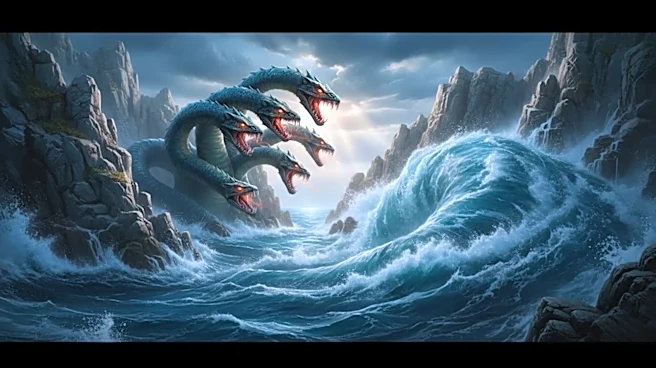
Scylla is the most terrifying monster because she represents the horror of the impossible choice. A creature with six heads on long, serpentine necks, she snatches sailors from the decks of ships passing through her narrow strait. On the other side of the strait is Charybdis, a giant whirlpool that will swallow your entire vessel. Circe’s advice to Odysseus is chillingly pragmatic: sail closer to Scylla. You are guaranteed to lose six men—one for each head—but you'll save the rest of your ship. This is the core of Scylla's terror. She isn't just a monster; she is a mandatory, calculated loss. There's no outsmarting her, no fighting her, and no avoiding her. The fear she inspires is existential. It's the diagnosis from a doctor that gives you two terrible options. It's the economic choice between certain ruin for some and potential ruin for all. Scylla doesn't just kill you; she forces you to be complicit in the death of your comrades. You have to make the decision, watch your crew get eaten, and then live with the knowledge that it was the 'right' call. That’s a horror that lingers long after the physical danger has passed.