







More Than a Game MVP
In American sports, we’re used to “Player of the Game” awards. They’re a nice, fleeting honor, often decided by a local broadcast crew and forgotten by the time the post-game show ends. The World Cup’s “Man of the Match” award operates on a completely different level. This isn’t just about acknowledging a good performance; it’s about etching a player’s contribution into the permanent, global record of the world’s most-watched sporting event. The winner isn’t just the best player in a single game—they are the standout performer on a day when hundreds of millions, sometimes billions, of people are watching. The context elevates the honor from a simple compliment to a piece of personal history.
The Global Spotlight Multiplier
To understand the award’s weight, you have to appreciate
the sheer scale of the World Cup. A regular league match might be a big deal in its home city, but a World Cup game is a national event. Entire countries grind to a halt. The pressure on the players is immense, a mix of athletic expectation, national pride, and personal ambition. Excelling under that unique, suffocating pressure is what the Man of the Match award recognizes. It singles out the player who not only executed their skills but did so when the stakes were at their absolute highest. It’s a testament to mental fortitude as much as physical talent.
A Democratic (and Controversial) Decision
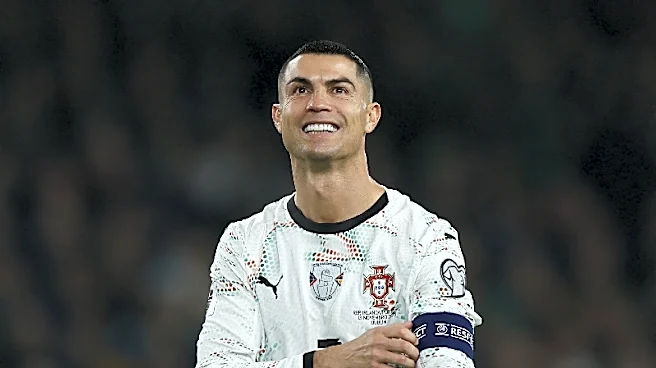
For years, the award was decided by FIFA’s Technical Study Group—a committee of soccer experts. But in recent tournaments, the decision has been opened up to the public through online voting. This shift has made it a fascinating, and sometimes controversial, reflection of global fan opinion. While it often goes to the obvious hero—the player who scored a hat-trick—it can also be swayed by superstar status. Lionel Messi and Cristiano Ronaldo have famously won the award after relatively quiet performances, simply because their global fanbases mobilized to vote for them. This adds a layer of populist drama, making the award a conversation starter about who *really* deserved it.
The Commercial Power-Up
For a long time, the award has been sponsored, most notably by Budweiser. This commercial backing gives the honor an even greater platform. It’s not just a handshake and a pat on the back; it’s a branded moment broadcast globally. The physical trophy itself becomes an iconic object, seen in the hands of every winner from a tournament’s opening day to its final match. This sponsorship ensures the award is a consistent, highly visible part of the World Cup narrative, further cementing its importance in the minds of players and fans alike. It’s a powerful piece of marketing, but it also reinforces the prestige of the award itself.
A Badge for Unsung Heroes
Perhaps most importantly, the Man of the Match award isn’t just for the goal-scorers. It’s one of the few honors that consistently recognizes defensive brilliance. A midfielder who controlled the tempo, a center-back who made a dozen crucial tackles, or a goalkeeper who stood on their head to keep their team in the game can all be recognized. For U.S. fans, the most legendary example is Tim Howard’s performance against Belgium in the 2014 World Cup. Despite the U.S. losing, Howard won Man of the Match for making a record-breaking 15 saves. It was a heroic effort in a loss, and the award validated his historic performance, ensuring it was remembered as an iconic individual display, not just a footnote in a defeat.