




The Patron Saint of Thanksgiving Chaos
For those who haven't had the pleasure, 'Home for the Holidays' follows Claudia Larson (Holly Hunter), a single mom whose life is imploding just in time for her flight home to Baltimore. She’s been fired, her daughter is planning to lose her virginity,
and she has a head cold. Dropped into her parents' house, she navigates the emotional minefield of her eccentric mother (Anne Bancroft), her quietly sentimental father (Charles Durning), her resentful sister (Cynthia Stevenson), and her chaotic gay brother, Tommy (Robert Downey Jr.), who brings an unexpected guest. The film, which received mixed reviews upon release, has since become a cult classic precisely because it nails the Thanksgiving experience so perfectly. It’s not just a movie; it's a documentary of every simmering tension, unspoken grievance, and obligatory hug that defines the fourth Thursday in November.
The Pressure Cooker of Perfection
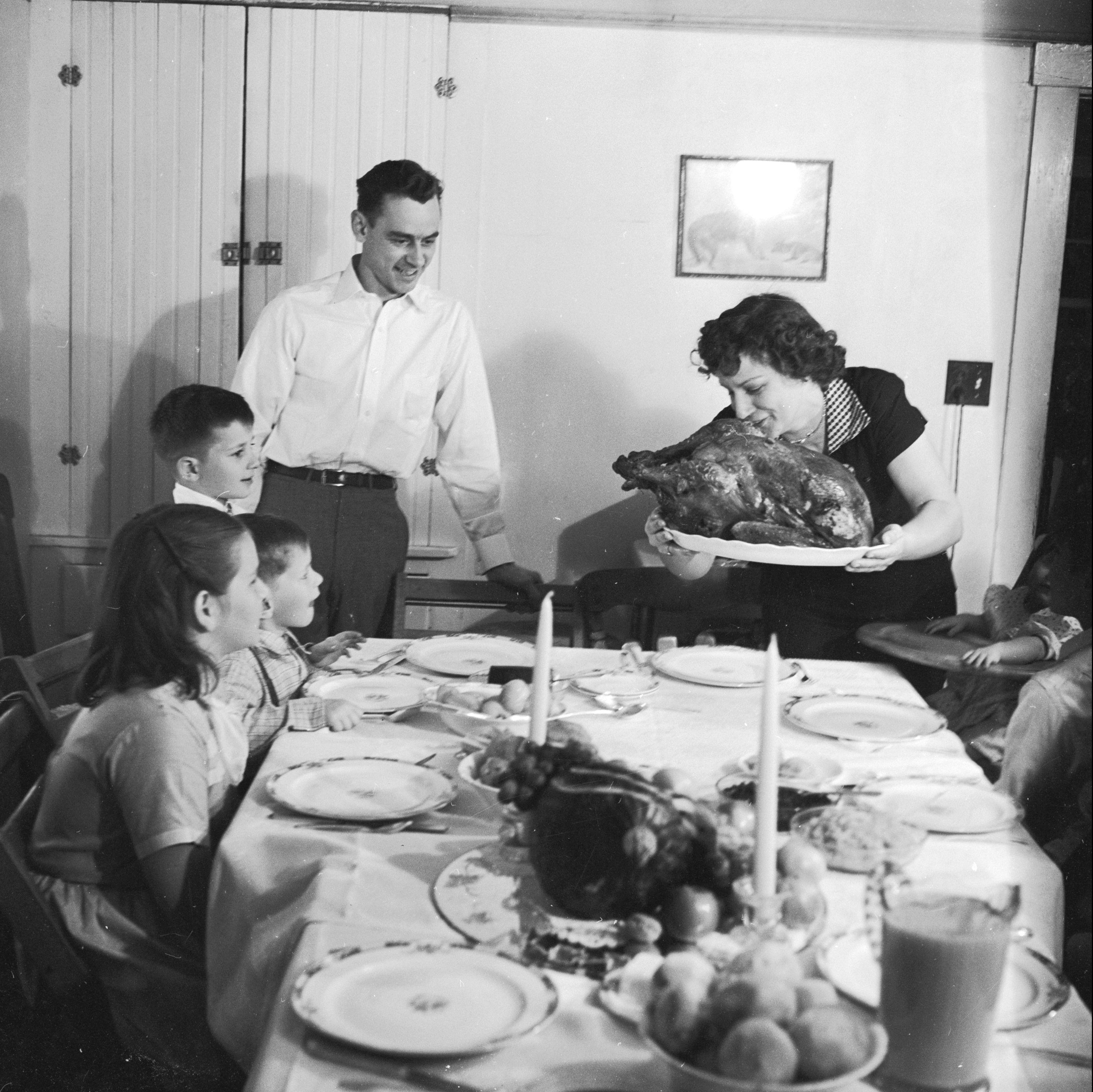
The central conflict of any Thanksgiving isn't just one argument; it's the crushing expectation of perfection. The holiday comes pre-loaded with an idealized script: everyone is grateful, the food is magnificent, and old wounds are forgotten. 'Home for the Holidays' masterfully illustrates how this pressure creates the cracks. Adele, the matriarch, fusses endlessly, her anxiety a low hum beneath every scene. Claudia’s sister Joanne seethes with the bitterness of the responsible sibling, her perfectly ordered life a stark contrast to Claudia's and Tommy's perceived chaos. The infamous dinner scene, where the turkey lands in Joanne's lap, isn't just a slapstick moment; it's a hilarious, greasy metaphor for what happens when forced festivity meets reality. The more you try to make things perfect, the more spectacularly they fall apart.
Regressing to the Kids' Table
One of the unspoken rules of going home is that no matter how old you are, you revert to your childhood role. You might be a CEO, a parent, or a respected professional, but at your parents’ house, you’re the 'dramatic one,' the 'responsible one,' or the 'screw-up.' The film showcases this regression beautifully. Claudia, despite being a mother herself, is treated like a wayward teen. Tommy, for all his wit, defaults to his role as the family provocateur, poking at his sister until she explodes. This dynamic is the source of both comedy and genuine pain. It’s a reminder that family gatherings aren't just a meeting of adults; they're a reunion of every version of yourselves, and those younger, more volatile selves often demand to be heard.
Embracing the Beautiful Mess
What makes 'Home for the Holidays' a masterpiece of the genre is that it understands the most crucial truth: the mess is the point. The film doesn't end with everyone resolving their differences in a tidy, heartwarming speech. Instead, it ends with small moments of grace amid the wreckage. A quiet conversation between Claudia and her father in the basement, surrounded by old home movies, reveals a depth of love that the dinner table chaos obscured. A surprise romantic connection for Claudia suggests a new beginning born from the dysfunctional weekend. The film argues that family isn't about achieving a state of perfect harmony. It’s about the love that persists in spite of the dysfunction. The fondest memories, the movie suggests, aren't the posed pictures but the unrecorded moments of connection.