



The Real Audience on the Lido
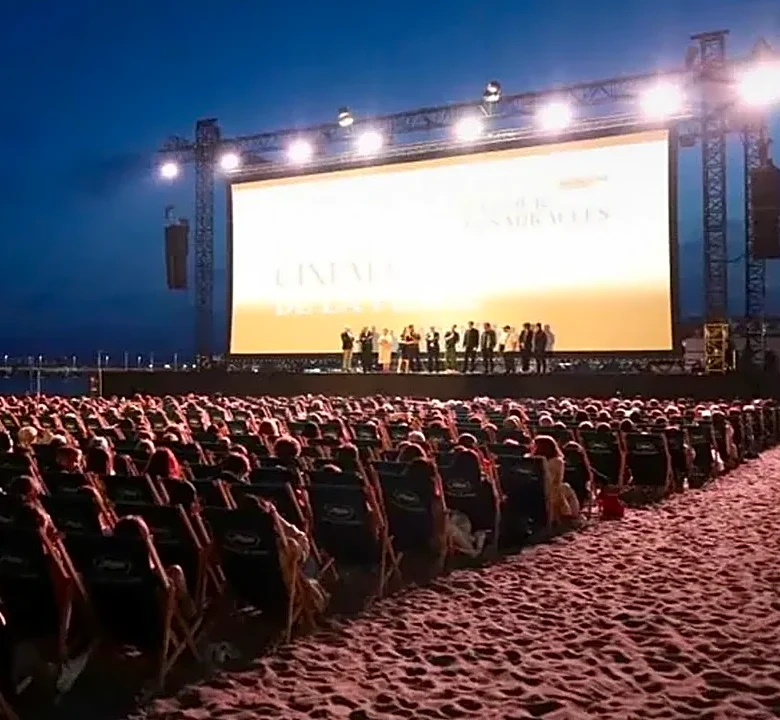
First, it’s crucial to understand who a film is for at a premiere at Venice, Cannes, or Toronto. The initial audience isn't the general public, but a highly specific, influential crowd of critics, festival programmers, awards voters, and, most importantly,
distributors. For a film, especially an independent or art-house project without a major studio backing it, this screening is a high-stakes job interview. The goal isn't to sell tickets; it's to sell the film itself. A rapturous response, captured and amplified on social media, sends a clear signal to this insular world: “This movie matters.” It’s a performance of prestige, creating an immediate narrative that the film is a must-see cultural event for people who shape the industry conversation.
Fueling the Awards Season Engine
A strong festival reaction is the unofficial starting pistol for the long, grueling marathon to the Academy Awards. The Golden Lion, Venice's top prize, has become a remarkably reliable bellwether for Oscar nominations, with winners like "The Shape of Water" and "Nomadland" going on to win Best Picture. A viral moment—whether it's a lengthy standing ovation or an emotional response from its stars—provides invaluable, free marketing for an awards campaign. It creates a story that publicists can nurture for months. This sustained buzz keeps a smaller film in the conversation, ensuring that awards voters, who are inundated with screeners, make a point to watch it. The ovation itself might be an increasingly common and sometimes arbitrary metric, but the headlines it generates are undeniably effective.
Getting a Distribution Deal
For many films at Venice, the most critical objective is simply to find a home. A film might arrive at a festival without a distribution deal, meaning there is no plan for it to be released in theaters or on streaming platforms. This is where the viral reaction becomes a powerful business tool. Companies like A24, Neon, or Searchlight Pictures send acquisition teams to festivals to find the next breakout hit. An enthusiastic, well-publicized premiere de-risks their investment. It proves there is an audience for the film, even if it's a niche one, and that critics are likely to champion it. A bidding war can erupt overnight based on the heat coming out of a single screening, securing a film's future and giving it the chance to find a wider audience.
The Disconnect with the Box Office
So, why doesn't a 14-minute ovation guarantee a $100 million domestic gross? Because the festival audience and the mainstream moviegoing audience are playing different games. The cinephiles at Venice are predisposed to appreciate challenging, artistic, or auteur-driven films. The average person deciding what to see on a Friday night is motivated by different factors: big-name stars, blockbuster marketing campaigns, genre familiarity, and simple word-of-mouth from friends. History is filled with examples of festival darlings that earned rave reviews and standing ovations only to fizzle at the box office. Conversely, many of the highest-grossing films of all time skipped the festival circuit entirely. The viral festival moment is a tool for the industry, not a predictor for the public. A recent example includes Kevin Costner's "Horizon: An American Saga—Chapter 1," which received a 10-minute standing ovation at a festival but underperformed commercially.