
The Anti-Hype Machine
Every year, the film festival circuit follows a predictable, thunderous rhythm. Cannes unveils its glamorous slate, Venice and Toronto (TIFF) follow suit, setting the agenda for awards season. Studios
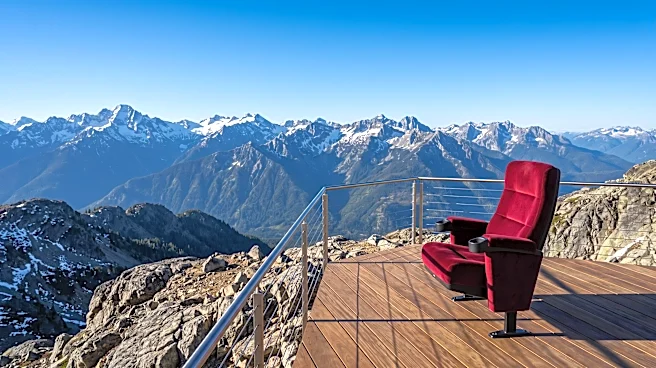
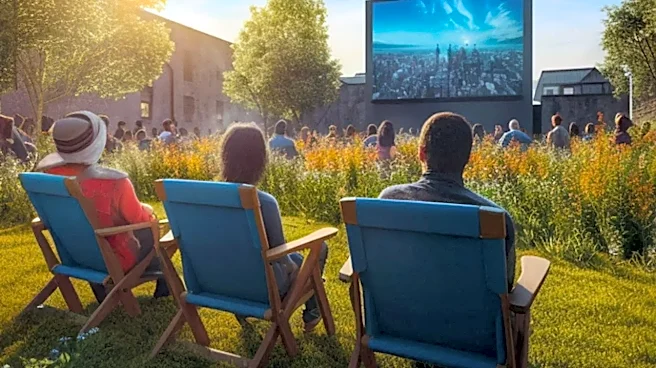
and publicists work for months to build buzz. Then there’s Telluride. Held annually over Labor Day weekend in a small Colorado mountain town, it bucks every trend. Its organizers intentionally keep the program a secret until the festival begins. Attendees, from passionate cinephiles to major filmmakers, buy passes on what the festival itself calls "blind faith." This isn't a marketing gimmick; it's the core of its identity. In a world saturated with advance information, Telluride offers something far rarer: genuine surprise. This approach has caused friction, notably with TIFF, which once tried to penalize films for showing at Telluride first. But Telluride's prestige has only grown, proving that withholding information can be more powerful than shouting from the rooftops.
A Curated Culture of Discovery
By eliminating the pre-festival hype, Telluride fundamentally changes the audience's relationship with the films. Instead of arriving with a checklist of hot-ticket screenings, attendees must trust the taste of the festival's curators, including a different guest director each year. For the 53rd edition in 2026, that collaborator is acclaimed actress and director Rebecca Hall. This creates an environment of pure discovery. You don't go to see a specific movie; you go to see what Telluride has deemed essential viewing. Everyone starts on a level playing field, wandering into theaters with little more than a title and a showtime. This fosters a uniquely communal and egalitarian atmosphere where a small, unknown documentary can generate just as much organic buzz as a major studio picture with A-list stars. It’s a festival for people who love the art of cinema, not just the business of it.
A Track Record That Speaks for Itself
This unorthodox model wouldn't work if the festival didn't have an impeccable track record. For decades, Telluride has been a kingmaker, quietly launching films that go on to dominate awards season. Its history is littered with legendary surprise premieres. Oscar Best Picture winners like "Moonlight" and major contenders like "Brokeback Mountain," "The Crying Game," "Lady Bird," and "The Imitation Game" all had their North American or world premieres in this tiny town. The festival gave early platforms to filmmakers like Michael Moore with "Roger and Me" and Robert Rodriguez with "El Mariachi." This history of excellence is the ultimate collateral. Attendees are willing to take a leap of faith because they know, year after year, that Telluride delivers masterpieces. The whispers that emerge from the Colorado mountains often become the industry's roars by the time the Oscars roll around.
An Oasis for Filmmakers and Cinephiles
For filmmakers, the festival is a rare sanctuary. With no red carpets and a ban on competitive awards, the focus remains squarely on the art. Directors can debut their work to a savvy, engaged audience and receive genuine, unfiltered reactions before the full-blown media storm begins. It’s a place for conversation, not just promotion. You might find yourself in line for coffee behind the director of the film you just saw, leading to impromptu discussions that are impossible at larger, more commercially driven events. This intimacy and lack of pretension make it a beloved stop for creators. Werner Herzog, a long-time fixture, once said, "No matter what kind of year I have had, if I come to Telluride, it's been a good year." By stripping away the industry noise, Telluride preserves a pure and celebratory experience for the people who make movies and the people who love them most.