






More Than a Dress, It's Wearable Art
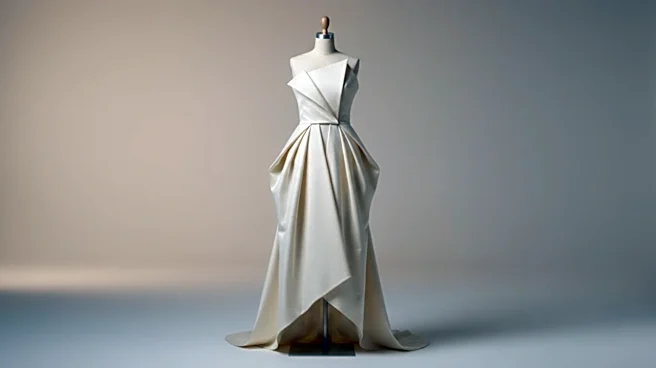
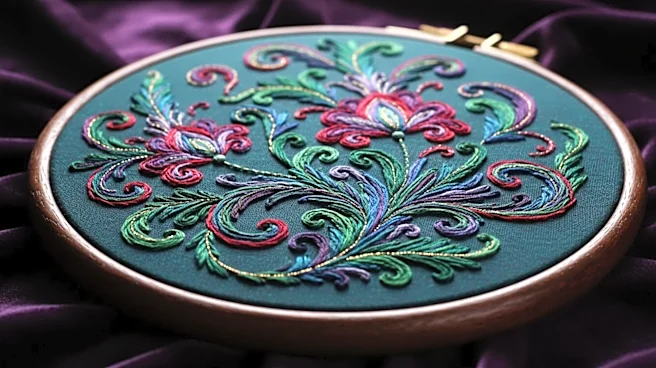
The term 'haute couture' is legally protected by French law, reserved for a select few fashion houses that meet punishingly strict criteria. At its core, it’s not about clothing; it's about creating wearable art. Each garment is a masterpiece of craftsmanship,
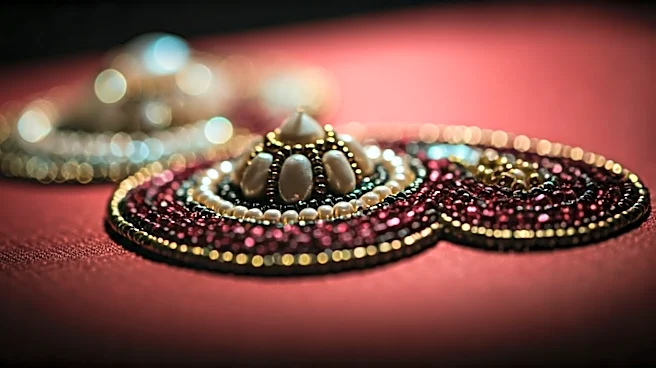
often requiring hundreds, or even thousands, of hours of meticulous handiwork by teams of specialized artisans. These are not mass-produced items cut by machines, but unique pieces sculpted by hand, from intricate beadwork and embroidery to the invisible internal structure that gives the garment its shape. This level of dedication transforms fabric and thread into a singular expression of artistic vision, made for a specific client. The value isn't in the label, but in the story told by every stitch.
The Real Clients Aren't Celebrities
While celebrities borrow gowns for big events, they are rarely the ones buying them. The true clients of haute couture are a discreet and global group of ultra-high-net-worth individuals, estimated to be only a few thousand people worldwide. These private patrons commission pieces for their own collections, significant personal events, or simply for the joy of owning something unique. For these buyers, a couture piece is a deeply personal acquisition. The process involves multiple fittings in exclusive Parisian ateliers to ensure a flawless, custom fit that is molded to their exact body. This relationship between client and couturier is one of patronage, sustaining the art form and ensuring the survival of heritage craft skills.
An Asset in the Closet
To view a couture gown simply as an expensive dress is to miss the point. With prices starting around $30,000 for daywear and soaring well into six figures for elaborate evening gowns, these pieces are significant acquisitions. For collectors, couture can be a tangible asset, much like fine art, wine, or classic cars. While not a conventional financial investment, certain pieces from iconic designers or collections can hold or even increase their value over time. High-profile auctions of collections from patrons like Mouna Ayoub demonstrate a thriving secondary market where unworn or historically significant pieces command enormous interest, further cementing their status as valuable cultural assets.
From Private Collection to Public Archive
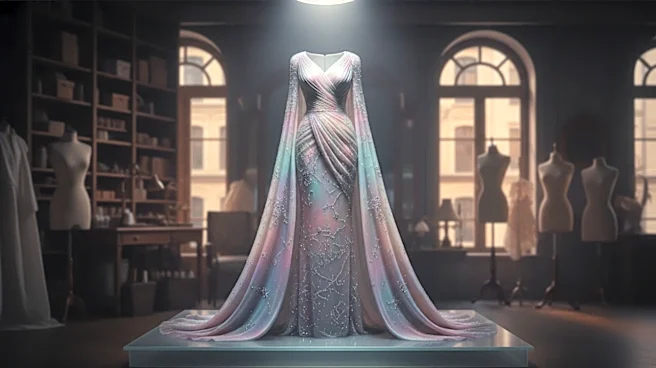
What happens to a couture piece after it leaves the atelier? Many enter a private world, worn for exclusive events or carefully preserved. Some collectors, like Angelina Jolie, save pieces as family heirlooms for their children. Beyond personal use, many of the most spectacular creations that are too fantastical for daily wear are destined for a different kind of immortality. Fashion houses meticulously maintain their own archives, preserving their most important works for future reference and inspiration. These archives are often the source for major museum exhibitions at institutions like The Met’s Costume Institute or the V&A in London, allowing the public to finally see these masterpieces of design up close. In this way, a private purchase eventually becomes a part of public fashion history.