






The Shot Heard 'Round the Folk World
To understand the shock, you have to understand the stakes. By the summer of 1965, the Newport Folk Festival was the high church of the American folk revival. It was a movement built on ideals of authenticity, social protest, and acoustic purity. And
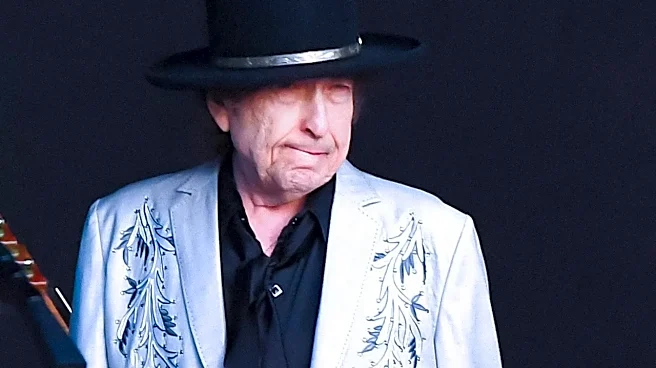
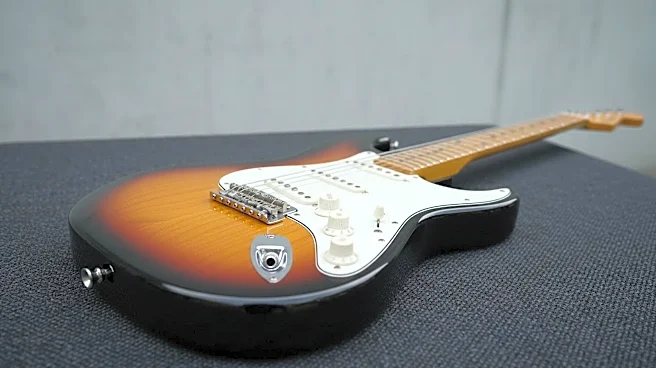
its reluctant prophet was Bob Dylan. Having mesmerized crowds in '63 and '64 with just his voice, harmonica, and acoustic guitar, he was considered the embodiment of the movement. But Dylan was restless. Just five days before his headlining set on July 25, he released “Like a Rolling Stone,” a six-minute sneer backed by a rock band. When he walked on stage that night, flanked by members of the Paul Butterfield Blues Band, and strapped on a Fender Stratocaster, the scene was set for a culture clash of epic proportions. The first song, a blistering version of "Maggie's Farm," was a declaration of independence.
The Sound of Displeasure (or Bad Audio?)
What happened next is the core of the never-ending debate. As Dylan and his band launched into their electric set, a wave of noise rose from the audience. Was it booing? Unquestionably, yes. Dylan himself later confirmed he heard it all over the place. But why? The purists in the crowd felt betrayed; their acoustic hero had sold out to the loud, commercial world of rock and roll. This is the most popular and romantic version of the story. However, other accounts complicate the narrative. Many who were there insist the booing was aimed at the terrible sound mix, which drowned out Dylan's important lyrics under a distorted wall of noise. Still others claim the anger was directed at the organizers for the set's surprising brevity—just three songs before Dylan and the band left the stage. This very ambiguity is why the argument has raged for decades; there is no single, universally accepted truth, only a collection of conflicting memories.
The Legend of Pete Seeger's Axe
No Newport story is complete without the legend of Pete Seeger, a founder of the festival and a titan of the folk movement, threatening to cut the power cables with an axe. While the image is dramatic, the reality is more nuanced. Seeger was indeed furious, but by his own account, it was because the distorted sound was butchering Dylan's lyrics. “I was furious that the sound was so distorted, you could not understand a word he was singing,” Seeger later explained, admitting he yelled that if he had an axe, he’d chop the cable to be heard by the soundman. The story of an actual axe is almost certainly a myth, likely a conflation of Seeger's anger and other events from the day. But the legend persists because it perfectly captures the emotional stakes: the sense that something sacred was being violated.
Why We Can't Let It Go
The reason fans still “re-litigate” Newport is that the debate was never just about one performance. It was, and remains, a proxy war over fundamental questions of art and fandom. It's about artistic ownership: Does an artist belong to their fans and the movement they represent, or do they have the right to evolve, even if it means alienating their base? For many at Newport, Dylan wasn't just a singer; he was theirs. His turn toward the electric, personal, and abstract felt like an abandonment of the political causes they championed. The argument also symbolizes a major turning point in popular music, when rock and roll grew up, shed its commercial skin, and became a vehicle for serious artistic expression, arguably maturing right on that stage. Every time we debate the boos, we're really debating the definition of authenticity, the tension between tradition and innovation, and the complex, often fraught relationship between an artist and their audience.