
The Anatomy of a 'Spontaneous' Moment
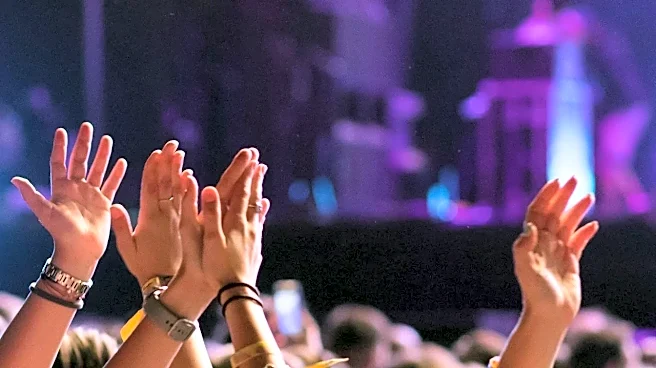
To the crowd, it’s a bolt from the blue. One minute you’re watching a headliner, the next, a completely different icon walks on stage. The collective gasp, the sea of phones shooting up—it’s a core memory in the making. Psychologically, our brains are
wired to remember unexpected positive events, which is why these moments feel so potent. But while the reveal is a surprise, the execution is anything but. These moments are rarely a last-minute decision made backstage. They are meticulously planned, often weeks in advance, involving coordination between tour managers, security, and production staff who are sworn to secrecy. The magic isn't in the improvisation, but in the perfectly kept secret.
The Common Language of a Mega-Hit
So, what makes a collaboration possible? The most crucial ingredient is a shared hit. A song that has saturated culture becomes a universal script. Think of a track like No Doubt's "Bathwater," which Olivia Rodrigo sang with Gwen Stefani, or Lana Del Rey and Billie Eilish duetting on "Video Games" and "Ocean Eyes." These aren't deep cuts; they are generational anthems. When an artist brings out a guest to perform a mega-hit, they don't need days of rehearsal. The muscle memory is already there, not just for the artists, but for the crowd, which erupts into a massive singalong. This shared knowledge turns a performance into a communal experience, a powerful moment of collective nostalgia and excitement.
Behind the Curtain: Shared Connections
The logistics are often simplified by existing industry relationships. Artists who share a record label, management, or, increasingly, a super-producer have a built-in framework for collaboration. For example, artists working with a producer like Jack Antonoff often move in the same creative circles, making a festival team-up a natural extension of their studio work. It’s also common for artists who have recently released a track together to perform it live, like when Shakira joined Bizarrap to perform their hit collaboration. These backstage connections provide the trust and logistical ease needed to pull off a high-stakes live appearance with minimal friction. The paths are already paved; the festival just provides the stage.
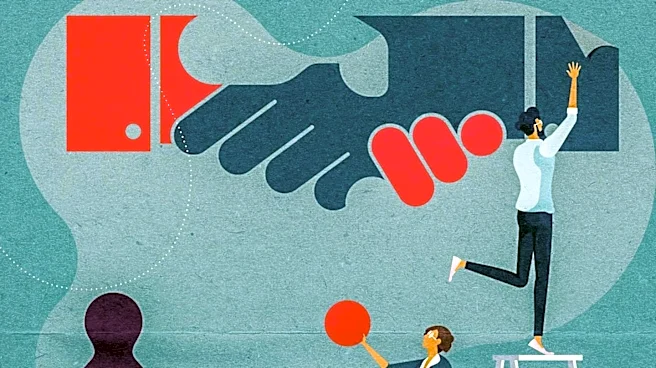
The Cross-Generational Handshake
Many of the most memorable duets involve a cross-generational pairing. When Harry Styles brought out Shania Twain or when Sabrina Carpenter was joined by Madonna, it represented more than just a cool surprise. These moments are a powerful co-sign. For the younger artist, it’s a stamp of approval from a legend, a symbolic passing of the torch. For the established icon, it’s a way to connect with a new generation of fans and demonstrate their enduring influence. It’s a symbiotic relationship that generates massive buzz for both artists. Billie Eilish performing with Damon Albarn of Gorillaz, an artist she has cited as an idol, creates a narrative that resonates deeply with fans of both generations.
More Than a Duet: The Ultimate Content Machine
In the social media age, a surprise duet isn't just for the thousands of fans in the field; it’s for the millions who will watch it online. These moments are engineered to go viral. The surprise creates an immediate storytelling opportunity that fans share across platforms, generating headlines and conversation long after the festival weekend ends. The phone-shot videos from the crowd become a key part of the marketing ecosystem. It’s a strategic move to dominate the cultural conversation, creating a spectacle that extends an artist's reach far beyond their existing fanbase and ensures the performance is remembered as a standout moment of the festival season.