


The Allure of the Obvious
Let’s be clear: there’s nothing wrong with lace. It is the default language of formal daytime events, a shorthand for delicacy and occasion. At Royal Ascot, the annual horse racing spectacle that doubles as Britain’s most elaborate fashion show, lace is everywhere.
It creeps up the sleeves of bespoke dresses, forms the architecture of intricate fascinators, and provides the go-to texture for anyone wanting to look instantly “dressed up.” From Chantilly to guipure, it signals effort, expense, and adherence to tradition. But that’s precisely the issue. When a choice is so expected, it loses its power to be truly chic. It becomes a uniform for occasion-wear rather than a personal style statement. Wearing lace to Ascot is like ordering a vanilla latte; it’s reliable, pleasant, and you know exactly what you’re going to get. It’s a safe bet at an event centered on risky ones. True style, however, often whispers rather than shouts. It’s found in the choices that prioritize the wearer’s comfort and confidence over mere ornamentation.
Enter the Quiet Powerhouse: Linen
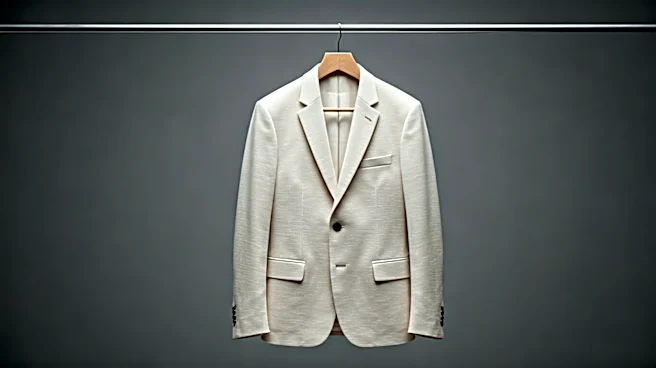
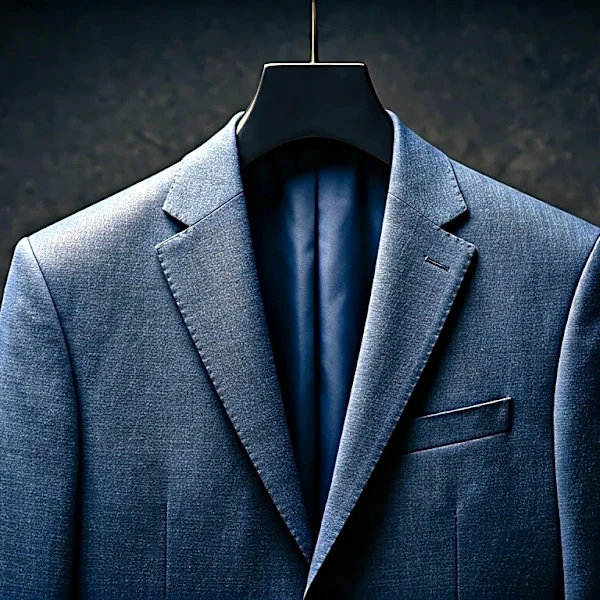
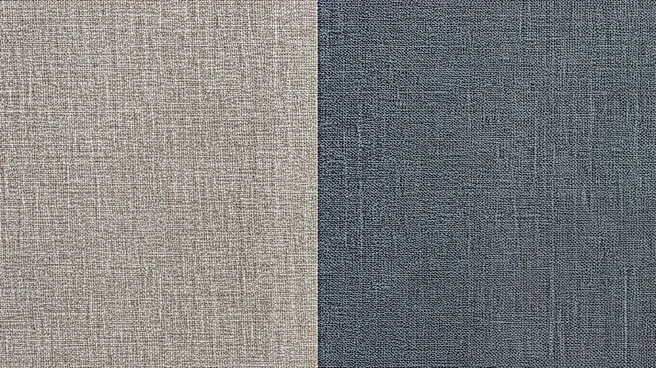
So, if not lace, then what? The answer is as simple as it is brilliant: linen. Yes, that humble, ancient textile derived from the flax plant. Often relegated to beach cover-ups and breezy vacation wear, linen is the unsung hero of sophisticated summer dressing and the smartest choice for an event like Royal Ascot. It possesses a quiet luxury that lace, with all its decorative fanfare, can’t quite match. Think less about crunchy, easily-creased holiday trousers and more about structured, beautifully tailored linen blends that hold their shape while allowing the skin to breathe. In the context of Ascot’s strict dress code—dresses of a “modest length,” straps of a certain width—linen offers a modern elegance. It provides structure and a clean silhouette without the fuss. A crisply tailored linen midi dress in a jewel tone or a sharp, pale-colored linen suit speaks to a different kind of confidence. It says, “I am dressed for the occasion, but also for the reality of a long, potentially warm day on my feet.”
The Ultimate Practical Elegance
Ascot is a marathon, not a sprint. It involves navigating crowds, standing for long periods, and braving the notoriously unpredictable British summer weather, which can swing from scorching sun to damp chill in minutes. This is where linen truly outpaces its more delicate competitors. As one of the most breathable fabrics, it is a natural cooling system, wicking moisture away from the body and allowing air to circulate. While others might be wilting in their synthetic silks or feeling constricted by heavy brocades, the linen-clad guest remains cool and composed. This fusion of practicality and style is the hallmark of the truly well-dressed. It’s a principle understood by royals like the Princess of Wales and Zara Tindall, who are often photographed at summer events in fabrics that work with the weather, not against it. Their choices are a masterclass in looking impeccable without sacrificing comfort. True elegance, after all, is a state of being—and it’s hard to feel elegant when you’re overheating.
Embracing the Wrinkle
The primary objection to linen is, of course, its tendency to wrinkle. This is a feature, not a bug. In the hyper-polished world of formal wear, the gentle, lived-in rumple of high-quality linen is a small act of rebellion. It signals a relaxed, European approach to style—an effortless chic known as “sprezzatura.” It suggests that the wearer is too busy enjoying the day, the company, and the thrill of the race to worry about a few creases. Modern linen blends have also mitigated this issue significantly, incorporating cotton, viscose, or silk to create textiles that hold their press longer while retaining the cool, dry hand-feel of pure linen. A well-cut linen dress doesn’t look messy; it looks soft, comfortable, and beautifully real. It stands out in a sea of stiffness, projecting an air of unbothered confidence that is, perhaps, the most aspirational accessory of all.