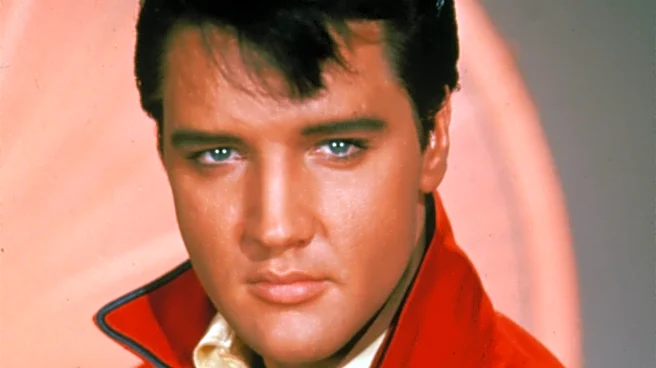






The life of Elvis Presley has been dissected in countless books, films, and specials. But for all the noise, one documentary quiets the caricature and lets the artist speak: HBO’s two-part film, 'Elvis Presley: The Searcher'.
The One Film to Rule Them All
In a landscape saturated with
portrayals of the King, from sensationalized biopics to concert films, HBO's 2018 documentary 'Elvis Presley: The Searcher' achieves something remarkable: it puts the music first. For fans who have seen it all, this three-hour deep dive is the definitive piece because it strips away the myth of the jumpsuit-clad icon to examine the man as a dedicated and lifelong artist. Directed by Thom Zimny, known for his work with Bruce Springsteen, the film treats Elvis with a seriousness and artistic reverence often reserved for artists like Bob Dylan or Johnny Cash. It argues that to understand Elvis, you must first understand his unwavering commitment to the music he loved, from gospel to blues.
Beyond the Spectacle
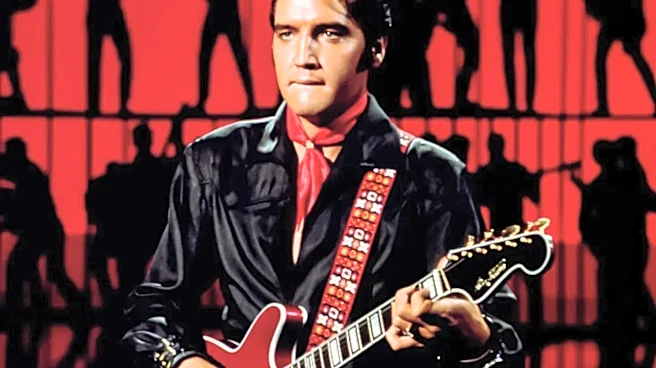
The title itself comes from a quote by Priscilla Presley, who serves as a producer and notes that Elvis 'was a searcher'. The film takes this theme as its central mission, exploring his constant creative quest. Instead of rehashing tired scandals or focusing on the eccentricities of his fame, it dedicates its runtime to his artistic evolution. We see a young man absorbing every sound he could find in Tupelo and Memphis, an artist frustrated by a Hollywood career that stifled his growth, and a performer who reclaimed his voice in the legendary '68 Comeback Special. The documentary makes a powerful case that Elvis's creative journey was far more compelling than the pop-culture caricature he became. By avoiding talking-head interviews and instead using voiceovers from key figures, the film keeps the viewer immersed in Elvis's world.
A Chorus of Expert Voices
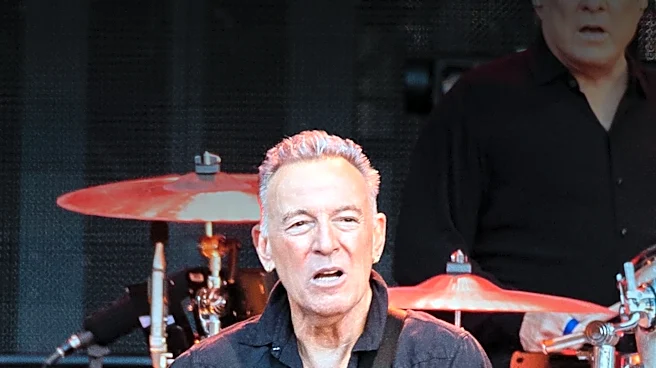
What makes 'The Searcher' so compelling is who tells the story. The narrative is guided not by gossip columnists, but by those who understood him best as a musician. You hear from collaborators like his close friend Jerry Schilling, but the most insightful commentary comes from fellow musicians. Bruce Springsteen, Tom Petty (in one of his final interviews), and Emmylou Harris speak with deep appreciation for his craft, dissecting his vocal genius and his role as a synthesizer of American music. Their perspectives elevate the conversation from fandom to a serious critical appraisal. The film also uses unprecedented access to the Graceland archives, featuring rare home movies and unheard recordings that paint a more intimate portrait of the man behind the microphone.
Reframing a Complicated Legacy
Even for seasoned fans, 'The Searcher' offers a fresh perspective on the most familiar parts of Elvis's story. His muchmaligned movie career is presented not just as a sellout, but as a source of deep artistic frustration for a man who aspired to be a serious actor. The final years, often depicted as a tragic slide into selfparody, are treated with empathy. The documentary frames his final recording sessions in the 'Jungle Room' at Graceland as a poignant return to his roots, a final search for authentic musical expression. While it doesn't shy away from the bad decisions and the cost of fame, it contextualizes them within his lifelong artistic struggle. The film gives dignity back to an artist who was often denied it, focusing on his soulstirring search for 'emotional music'.