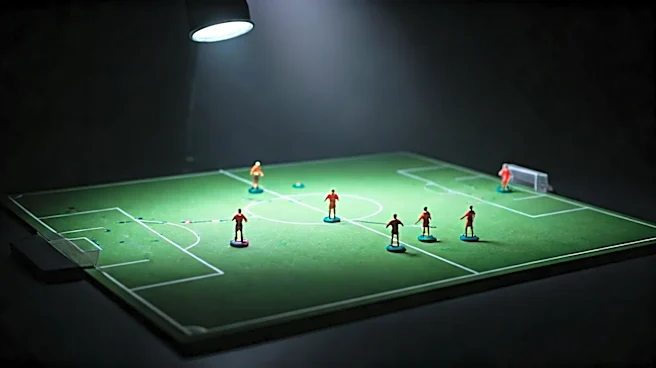










A Game Within the Game
Open play is fluid and unpredictable, often dominated by the transcendent skill of superstars. But a set piece is different. It’s a dead-ball situation that freezes the game, transforming it from a kinetic, flowing sport into a static, tactical chessboard.
This pause removes randomness. For 15 seconds, a team gets to execute a pre-planned, rehearsed routine where coordination and strategy can trump raw individual brilliance. This controlled environment is the great equalizer. It doesn’t matter if the opposing team has a world-beating attacker if your unheralded central defender has a physical advantage and a perfectly designed play to exploit it. In a sport where games are decided by the smallest margins, set pieces offer a structured path to goal, with some studies showing they account for a significant portion of all goals scored in major leagues.
The Age of the Specialist
The growing importance of these moments has led to a new role on the coaching staff: the set-piece specialist. Coaches like Arsenal's Nicolas Jover or Italy's former guru Gianni Vio have become quiet superstars, designing the intricate plays that win titles. Their job is to analyze opponents' defensive setups and craft routines to exploit every weakness. This tactical evolution has, in turn, created a new kind of on-field specialist. A player may not have the pace to be an elite winger, but if they are six-foot-four and can head a ball with power and accuracy, they can build a career as a set-piece threat. Likewise, a player with an average all-around game but a phenomenal long throw-in can become an invaluable asset. These specialists, often considered role players, find their value skyrockets in these specific, high-leverage situations that the team has trained for relentlessly.
Choreography and Deception
A common misconception about set pieces is that you just lump the ball into the box and hope for the best. The reality is far more complex and involves layers of deception. Often, a team's biggest stars are used as decoys. A world-famous striker might make a hard run to the near post, knowing full well the ball is never coming to him. But because he's a star, he might draw two or three defenders with him, creating a massive gap at the back post. That is where the real target—the role-playing defender or midfielder—makes their move. These plays are choreographed like a dance, with players acting as blockers to screen defenders and create pathways for the designated scorer. It’s a beautiful piece of misdirection that leverages a star's reputation to create a golden opportunity for a teammate who might otherwise never get such a clean look at goal.
From Role Player to Legend
History is filled with role players who seized their moment on the set-piece stage. Think of the journeyman defender who scores a towering header in a cup final, or the defensive midfielder who curls in a free kick to win a relegation battle. These moments are so powerful because they are often unexpected. The narrative of the game is supposed to revolve around the stars, but a set piece provides a plot twist. It allows a player whose primary job is to tackle, pass simply, and hold formation to step into the spotlight and deliver a moment of glory. It's a testament to preparation, teamwork, and the democratic nature of a dead ball. While the star striker scores 20 goals a season in all manner of ways, the role player’s one or two goals—often from a corner or free kick—can be the ones that define a season and write their name into club lore.