





First, Know the Basics
Before you can analyze, you need to know what you're watching. The 78th Primetime Emmy Awards air live on Monday, September 14, from the Peacock Theater in Los Angeles. The ceremony starts at 8 p.m. ET / 5 p.m. PT and will be broadcast live coast-to-coast
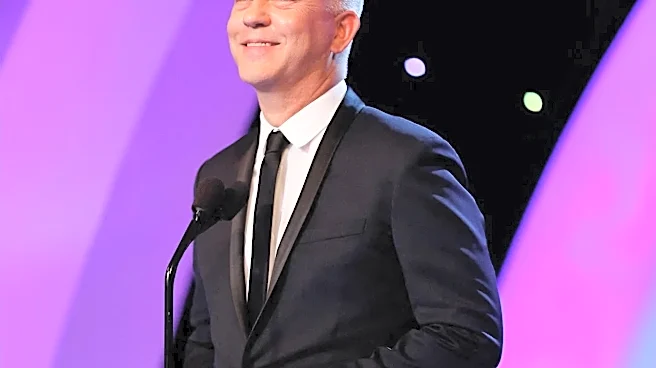
on NBC, with streaming available on Peacock. Hosting duties this year fall to Mariska Hargitay, the long-running star of NBC's "Law & Order: Special Victims Unit." Knowing the host is key, as the entire tone of the broadcast starts with her opening monologue.
Deconstruct the Opening Monologue
A screenwriter doesn't just laugh at the host's jokes; they reverse-engineer them. As Mariska Hargitay takes the stage, analyze her monologue as a piece of writing. Is it a classic stand-up routine, a musical number, or a series of pre-taped sketches? Pay attention to the structure. How does she balance roasting the nominees with celebrating television? Note the joke density, the use of topical humor, and which celebrities in the audience get the most camera time. This isn't just an introduction; it's a carefully crafted script designed to win over a tough room and set the narrative for the entire evening.
Analyze the Presenter Banter
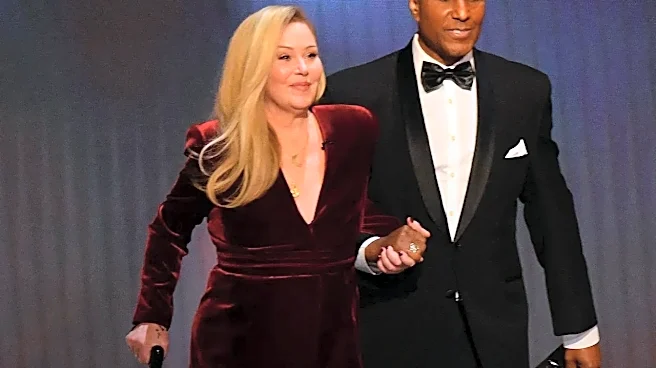
The awkward, charming, or sometimes stilted dialogue between presenters isn't accidental—it's scripted. As pairs of celebrities walk out to present an award, watch their dynamic. Who wrote their lines? A show writer. Your job is to spot the patterns. Is the humor based on their on-screen personas? Is there a running gag that carries through the night? These short teleprompter reads are a masterclass in compressed storytelling, needing to establish character, deliver a joke, and build anticipation for the nominees, all in under a minute. Notice which pairings land and which fall flat, and ask yourself why.
Track the Writing Categories Above All
This is the main event for a writer. The key categories are Outstanding Writing for a Drama Series, Comedy Series, and Limited or Anthology Series. The nominations themselves tell a story about what the industry values. This year's drama writing nominees include episodes from frontrunner "The Pitt," Vince Gilligan's new show "Pluribus," and the popular "Slow Horses." The shows that win here signal to every aspiring writer what kind of scripts are getting noticed: intricate plots, sharp dialogue, or bold thematic swings. When the winner is announced, make a note to find and read that specific script. It’s your new homework.
Study the Acceptance Speeches as Micro-Stories
An acceptance speech is a story with a beginning, middle, and end. The winner is the protagonist. Watch how they structure their 45 seconds. Do they open with a joke (the hook)? Do they build to an emotional climax? Who do they thank, and in what order? That list of names isn't random; it's a public acknowledgment of their personal and professional journey. Pay attention to the speeches that feel authentic versus those that sound like a rehearsed list. The most memorable ones, like Michael J. Fox's anticipated acceptance of the Bob Hope Humanitarian Award, tell a powerful, concise narrative about gratitude and struggle.
Watch for the Night’s Overall Narrative
Every awards show has a story arc. Is it a coronation, where a single show like "The Pitt" or the final season of "Hacks" sweeps its categories? Is it an underdog story, where a word-of-mouth hit like "Widow's Bay" upsets the favorites? As the night progresses, track the wins. Does one network or streamer dominate? Does a particular theme emerge from the winning shows? Identifying this meta-narrative is a crucial skill for any storyteller. It's about understanding how individual moments (the awards) build into a larger, more compelling industry-wide drama.