



It Starts with Built-In Value
The core of the strategy is leveraging intellectual property (IP) that already has an audience. Studios see existing franchises, bestselling books, and classic films as a way to reduce financial risk in a notoriously volatile industry. Instead of building
an audience from scratch, they start with a built-in fanbase that already has an emotional connection to the characters and world. This pre-existing awareness is a massive marketing advantage, ensuring that from the first announcement, people are already talking. It's less about a lack of new ideas and more about a calculated business decision that a familiar name is a safer bet.
The Auteur as a Stamp of Quality
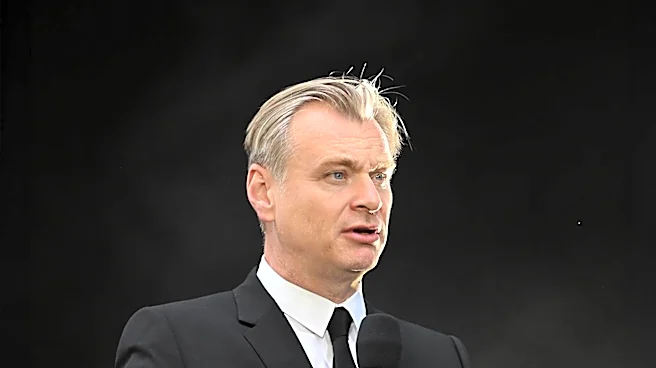
To combat the perception of a soulless cash grab, studios attach a director with a distinct and respected vision—an auteur. Think Denis Villeneuve for "Dune" or Greta Gerwig for "Barbie." This isn't just about hiring a good director; it's a marketing statement. An auteur's involvement signals to audiences that this won't be a simple rehash. It promises a unique, artistic interpretation that justifies revisiting the material. This transforms the project from "another reboot" into "the new film from a visionary director," making it a compelling proposition for critics and discerning moviegoers alike. The director becomes the seal of approval, promising a fresh perspective on a beloved story.
Balancing Nostalgia with a Modern Twist
The real tightrope walk is appealing to old fans while attracting a new generation. Successful adaptations honor the source material with nostalgic nods—a classic theme song, a returning character, an iconic line—while updating the story with modern sensibilities and themes. This might mean introducing more diverse casting, exploring contemporary social issues through the story's lens, or updating the visual effects for today's standards. The goal is to make it feel both timeless and timely. Too much nostalgia can feel like a lazy retread, but too many changes risk alienating the core fanbase that made the IP valuable in the first place.
Marketing an 'Event,' Not Just a Movie
The final piece of the puzzle is a practice called "eventizing." Studios don't just market a film; they market a cultural moment you can't miss. This process starts months, sometimes years, in advance with a carefully orchestrated cadence of releases: a first-look image, a teaser trailer, character posters, and finally, a full trailer designed to dominate social media. The campaign encourages audience participation through themed dress-up nights, social media challenges, and fan-first screenings. By the time the movie opens, the studio has created a sense of FOMO (fear of missing out), turning a simple trip to the movies into participation in a worldwide cultural event.